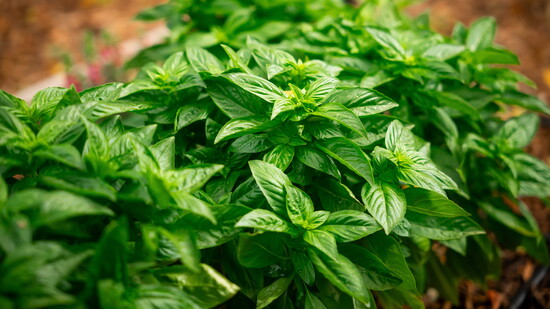
Spring in the desert comes on fast. With a little planning, your Gilbert garden can be full of herbs, flowers, and vegetables before the heat sets in.
Refresh your garden space
Before you think about what to plant, prepare where you will plant it. Pull winter weeds, remove old plants, and clean up beds and paths. Add a fresh layer of compost or raised bed mix to refill beds. Desert soils lose organic matter quickly, so this step makes a big difference in how well plants grow.
Next, check your watering system. Turn everything on and look for clogged emitters, leaks, or dry spots. Make needed adjustments or repairs before the season begins. If you’re hand watering, make a plan for when you will water once the days warm up so new plants don’t dry out.
Make a simple planting plan
A successful spring garden in Gilbert doesn’t need to be big or complicated. Start by asking a few questions. What do you like to eat? Which crops are worth the space and water? How much time do you want to spend in the garden each week?
Use my planting guides and choose a handful of warm-season crops you’re excited about, like tomatoes, peppers, basil, cucumbers, or squash. Give each crop a specific spot. Group taller plants so they don’t shade smaller ones and leave room for a trellis or cage where needed.
Don’t forget flowers and herbs. Plants like zinnias, marigolds, and basil attract pollinators, support the garden ecosystem, and make your space more beautiful.
Gather supplies and start seedlings
Spring planting is usually a mix of transplants and seeds. Pick up a few tomato and pepper transplants from a local nursery, then direct sow easy seeds like beans, cucumbers, and squash into prepared beds. If you start your own transplants indoors, plant seeds 6 to 8 weeks before planting outside so the seedlings are ready.
Take stock of what you have and then gather the rest. Good soil, quality seeds, mulch, and a simple way to water are the must-have basics.
Watch the weather and start planting
In the East Valley, our last frost usually arrives in mid-February, but it can vary from year to year. Pay attention to the forecast so you know when to plant. Warm-season crops grow best once nights stay in the 40s or above and the soil has warmed.
Begin by planting spring crops into spaces that open up as you harvest winter vegetables. You can also give surviving peppers or tomatoes a second life by pruning frost damage once the chance of a freeze has passed, then feeding them with compost and worm castings.
Spring moves quickly in the desert, but small steps now will set you up for delicious harvests. New to desert gardening? Start with healthy soil, a simple plan, and a few plants you love, and you’ll be harvesting soon.
Angela Judd is an East Valley-based gardener, author, and educator behind Growing in the Garden. Through her blog, YouTube channel, planting guides, and online classes, she teaches simple, practical strategies for growing vegetables, herbs, flowers, and fruit in the low desert.