Thirty years ago, City Care began as a simple pancake breakfast hosted by a handful of friends who shared a foundational belief: every person deserves dignity, stability, and a place to sleep at night.
In the decades since, the organization has become a steady presence for Oklahomans experiencing homelessness and housing instability, offering safety, dignity, and compassionate care at moments of profound vulnerability. City Care has walked alongside thousands of neighbors who are too often overlooked, witnessing stories of resilience, rebuilding, and restoration. Although its strategies have evolved over time, the mission has remained rooted in a steadfast belief in the intrinsic value of every person and a commitment to creating spaces where lives that have gotten off course can be restored.
Today, City Care serves the Oklahoma City metro, Norman, and soon additional communities across the state. Each program addresses the root causes of homelessness while building the safety net people need right now. Through proven solutions including low-barrier emergency shelters, supportive services, and affordable housing, the organization provides both immediate help and long-term stability for some of the community’s most vulnerable neighbors.
City Care’s core programs include Homeless Services, Supportive Communities, and the forthcoming Medical Respite Care program.
For individuals and families in immediate need of shelter, City Care operates night shelters that collectively provide more than 190 beds along with warm meals, clothing, hygiene items, transportation to partner agencies, access to case management, and other emergency supports. Its low-barrier approach ensures that guests can stay for one night or one hundred nights, without program prerequisites or requirements for entry.
While emergency shelter is not the ultimate goal, it is often a critical first step toward stable housing, security, and holistic well-being. Shelter teams prioritize learning names, listening to stories, building trust, and connecting guests to resources as individuals work courageously toward a better future.
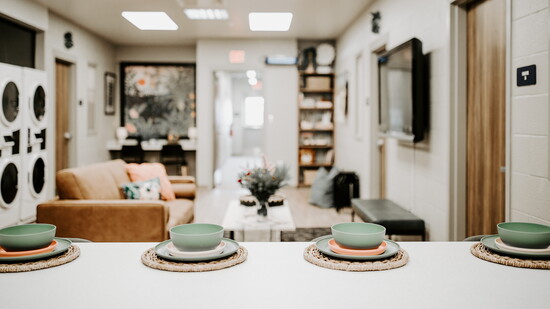
Beyond emergency shelter, City Care’s supportive housing programs reflect the belief that stable, affordable housing is foundational to breaking the cycle of homelessness and improving health outcomes. The organization owns and maintains over 112 units of affordable supportive housing, with additional units in development, serving neighbors ready to transition into permanent housing with ongoing support.
Case managers and advocate teams work alongside residents to help them remain stably housed by strengthening life skills, increasing income, addressing health needs, and rebuilding healthy support systems. Many residents move from homelessness into peer-supported communities where they are empowered to use their lived experience to encourage and uplift others, and to pursue whatever their goals may be.
Looking ahead, City Care is advancing a $13.5 million capital campaign, having raised $6.2 million to date, to address two urgent and interconnected needs: safe medical recovery for neighbors discharged into homelessness and expanded access to affordable permanent housing.
As part of this effort, City Care will open Oklahoma’s first Medical Respite Shelter, a 40-bed facility designed for individuals who are too ill or medically fragile to recover on the streets or in traditional shelters but do not require hospitalization. Medical respite provides short-term residential healing paired with connections to ongoing medical care, housing, and supportive services, offering rest and dignity during critical moments of recovery.
The need for this care is significant. Between 2020 and 2022, nearly 13,000 Oklahomans were discharged from hospitals into homelessness, with more than 7,300 of those discharges occurring within one hour of City Care’s Oklahoma City campus. Many shelter guests manage chronic health conditions, mental illness, or substance use disorders. Without a safe place to recover, they often cycle between the streets and emergency rooms. By offering appropriate, dignified care, the Medical Respite Center will reduce strain on emergency systems while helping neighbors heal and stabilize.
Alongside medical respite, City Care is expanding its supportive housing through the development of 27 new cost-effective and affordable quad units in the Westlawn Gardens neighborhoods. These homes will provide individuals and families with a foundation of stability, safety, and hope.
The need for affordable housing remains significant. The National Low Income Housing Coalition reports that Oklahoma faces a shortage of over 84,000 affordable housing units. In Oklahoma County alone, more than 18,000 eviction cases last year pushed over 9,100 families toward homelessness. And in Cleveland County last year 49% of the annual Point-In-Time count surveyed neighbors experiencing homelessness were living outdoors or in other places not intended for living or sleeping. Additionally, 72% of respondents reported living in Cleveland County prior to their experience of homelessness, and only 5% ( 6 people) reported coming from out of state.
For neighbors navigating medical challenges, mental illness, or the lasting impacts of trauma, the pathway to stability is often fragmented or inaccessible. Westlawn Gardens will help bridge that gap by pairing housing with supportive services that promote long-term success.
Together, these initiatives represent more than construction projects. They are intentional spaces of restoration and belonging. They are places where healing can begin and where neighbors are not defined by crisis, but supported toward a stable and hopeful future. City Care believes that homelessness is a community issue requiring a community response. The organization remains committed to its mission until every neighbor, in every community and in any condition, has a place to call home.
Restoring hope and building a community where everyone belongs together.
Every person deserves dignity, stability, and a place to sleep at night—a foundational belief that has guided us for thirty years.