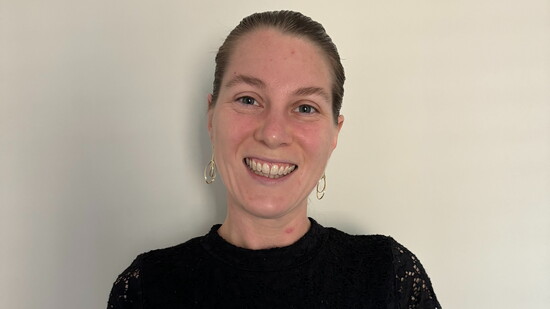
Emily Spears knows what back-to-school mornings look like from two vantage points: As an elementary school teacher, she has spent years welcoming students through her classroom door — backpacks zipped, new shoes, the excitement of a first day humming through the hallways. And as a foster parent, she has stood in a different kind of doorway: helping children she barely knows get ready for a school that isn't theirs, in a neighborhood they didn't choose, far from the people they love most.
"That contrast never leaves you," she shares with compassionate consideration.
For many families in Decatur, August is a time of small rituals: the trip for school supplies, the first-day photo on the porch, the exhale when the bus pulls away. But for the more than 10,000 children currently in Georgia's foster care system, the start of a new school year can carry a very different weight. When a child is placed outside their home community—away from familiar classrooms, neighbors, and routines—the first day of school isn't just a milestone, it's another reminder of everything that has been uprooted.
That's a reality Emily understands as both an educator and a foster parent. She became licensed with Wellroot Family Services in 2020, initially during COVID, and has cared for more than 20 children across full-time and respite placements. She is determined and clear-eyed about what this work requires.
"What children in care need most," she says, "is structure and consistency—so they feel safe."
That simple insight points to something larger. When children are placed close to home, they can stay in their school—the same teacher, the same lunch table, the same friends. Maintaining those connections matters not just for comfort, but for mental health and the real work of healing. And it keeps the door open for something else entirely ...
Every parent knows that look—the moment a child spots a familiar face in the crowd at field day or a school performance, and their whole body lights up. Kids in foster care deserve that moment, too. Proximity makes it possible.
Emily has watched firsthand what distance costs. "Biological parents are often unable to attend school activities they are invited to," she says. "Staying in their home school can lessen the trauma of removal—or at least not add to it."
That's exactly why foster families in Decatur matter so much. After all, the goal of foster care, Emily is careful to explain, is reunification: giving children a stable place while their families work toward being together again. Keeping a child in their own neighborhood makes that path shorter, and the eventual homecoming less disorienting.
Wellroot Family Services, which has been supporting Georgia families for more than 150 years, is working to make more of those nearby placements possible. The need for foster families in and around Decatur is real and immediate. Every family that steps forward means one fewer child bused across county/city lines, one fewer classroom where a child starts over as the new kid.
Emily is honest that fostering requires commitment. Children need consistency, and consistency requires commitment. Her advice to anyone curious: Look hard at your support system, take the training, and connect with families already doing the work. Wellroot offers convenient and engaging weekly information sessions—online and in person.
To learn more about becoming a foster parent with Wellroot Family Services:
FosterNow.org or wellroot.org/our-programs/foster-care.