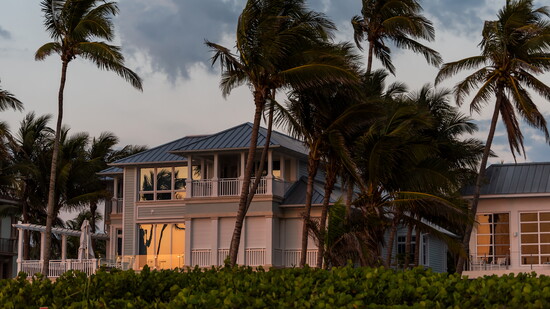
In Tampa Bay, storm season isn’t a matter of if, it’s when. Between heat, humidity, salt air, and hurricane exposure, homes here face a unique combination of conditions that constantly test their strength. And while storms often take the blame, the reality is something most homeowners don’t realize until it’s too late.
“Storms expose weaknesses, they don’t create them,” said William Dring of Red Sky Exteriors.
With years of experience in Florida’s home improvement industry, Dring has worked across every phase of exterior projects, from sales and measurement to installation oversight. His approach is rooted in doing things the right way from the start, focusing on educating homeowners, engineering the right solution for each opening, and ensuring it’s installed correctly the first time.
That level of intention is critical in a market like Tampa, where many homes were built under outdated codes or aren’t equipped for today’s environmental demands. According to Dring, the key to protecting your home isn’t reacting after damage occurs, it’s preparing in advance. “Preparation is everything,” he said, noting most major issues seen during storms are preventable, they just aren’t addressed early enough.
Protecting your home starts with understanding that its exterior is not a collection of parts, but a complete system. The roof, windows, doors, siding, and waterproofing all work together to keep wind and water out, and when one component fails, it can impact everything else.
To proactively protect your home, Dring recommends starting with the fundamentals: ensuring the roof is in good condition, addressing any signs of water intrusion, and considering impact-rated windows and doors. These upgrades not only strengthen a home against storms but also improve insulation and reduce long-term energy costs. Outdated systems can quietly cost homeowners over time through higher energy bills and hidden damage.
If your home does sustain storm damage, acting quickly is critical. The first priority, Dring advised, is stopping any active exposure, whether that means tarping a roof, sealing an opening, or preventing water from continuing to enter the home. From there, documentation is essential, followed by working with a contractor who can provide a long-term solution, not just a temporary fix.
When it comes to exterior protection, windows, doors, and roofing systems go far beyond appearance. In Florida, they serve as structural components designed to withstand pressure, impact, and water intrusion. “The roof is your home’s first line of defense, but it doesn’t work alone,” Dring said.
Still, even the best materials can fail if they aren’t installed correctly. Dring emphasized that most failures aren’t due to the products themselves, but improper installation.
That’s why choosing the right company matters. Homeowners should look for professionals who prioritize education, transparency, and process over quick sales. If the process feels rushed or overly focused on price, Dring noted, that is often a red flag.
As hurricane season approaches, the takeaway is clear: preparation is always more effective than reaction. “Waiting until after a storm is always more expensive, more stressful, and more disruptive,” Dring said. Taking proactive steps now could be the most important storm preparation you do all summer.