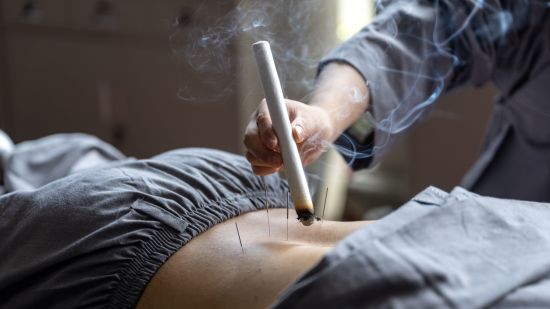
What If Acupuncture Wasn't Your Last Hope?
“I've tried everything. I guess it's time to try acupuncture.”
As an acupuncturist, I hear versions of this statement far too often.
Many people come to acupuncture only after months—or even years—of chronic pain. They may have already tried medications, injections, physical therapy, specialist appointments and sometimes surgery.
By the time they arrive, acupuncture feels like their last hope.
But what if we changed that conversation?
What if, after serious conditions were ruled out, acupuncture became one of the options considered earlier in pain management instead of something patients discovered only after everything else failed?
For people throughout Frankfort, Mokena, New Lenox, Manhattan, Richton Park and surrounding southwest Chicago suburbs, acupuncture offers a minimally invasive, drug-free treatment option that may help with many types of musculoskeletal and chronic pain.
And unlike surgery or many other invasive procedures, choosing to try acupuncture first doesn't take the other options away.
Medication will still be there.
Specialists will still be there.
Injections will still be there.
And if surgery ultimately becomes medically necessary, surgery will still be there.
So when it is medically appropriate, why not consider one of the gentler options earlier?
Acupuncture Has Been Helping People for Thousands of Years
Acupuncture isn't a new wellness trend.
It developed as part of the much larger system of Chinese medicine, with roots extending back more than 2,000 years.
Traditional Chinese medicine views the body as an interconnected system. Rather than looking exclusively at the location where someone hurts, a practitioner may also consider sleep, digestion, stress, energy, emotional health, circulation and other patterns occurring throughout the body.
Classical Chinese medicine describes these relationships using concepts such as Qi, Blood, Yin and Yang and the channels or meridians of the body.
Modern science approaches acupuncture through different terminology.
Researchers today are studying how acupuncture may influence:
The nervous system
Pain-processing pathways
Endogenous pain-relieving chemicals
Muscle and connective tissue
Circulation
Neuroimmune signaling
Inflammatory processes
The body's stress response
The explanations used by ancient Chinese physicians and modern researchers may sound very different, but both recognize something important:
The place where you feel pain isn't necessarily the whole story.
What Does Research Say About Acupuncture for Pain?
Acupuncture has become one of the most extensively studied complementary approaches for chronic pain.
A major individual-patient-data meta-analysis published in the Archives of Internal Medicine evaluated acupuncture for conditions including:
Chronic back pain
Neck pain
Osteoarthritis
Chronic headaches
Shoulder pain
Researchers concluded that acupuncture was effective for chronic pain and that its benefits could not be explained entirely by placebo.
An updated analysis published in The Journal of Pain in 2018 also found evidence that acupuncture's effects can persist after a course of treatment has ended.
The National Center for Complementary and Integrative Health (NCCIH), part of the National Institutes of Health, reports evidence supporting acupuncture for several chronic pain conditions, including certain forms of back and neck pain, osteoarthritis and headaches.
That makes acupuncture particularly worth discussing when someone is searching for drug-free pain management in Frankfort, Mokena, New Lenox, Manhattan, Richton Park or the surrounding communities.
Some Medical Guidelines Already Recommend Non-Drug Care First
The idea of trying conservative treatment before immediately relying on medication isn't simply an “alternative medicine” philosophy.
The American College of Physicians published clinical guidelines recommending that physicians and patients consider non-drug therapies for many cases of acute, subacute and chronic nonradicular low-back pain.
Acupuncture is among the therapies included.
That is important because it changes the way we should think about acupuncture.
Instead of:
“Nothing else worked, so I might as well try acupuncture.”
Perhaps the conversation could be:
“I've been evaluated and I know what we're dealing with. Before moving toward more invasive treatment, I'd like to see whether acupuncture can help reduce my pain and improve my function.”
That's a very different approach to healthcare.
Why Not Start With the Least-Invasive Appropriate Options?
Imagine developing persistent back, neck, shoulder, hip or knee pain.
First, you receive the appropriate evaluation to make sure there isn't a fracture, infection, serious neurologic condition or another problem requiring urgent medical treatment.
Then instead of immediately moving toward progressively more invasive interventions, you begin with conservative options.
Depending on your condition, that may include:
Acupuncture
Therapeutic movement and exercise
Physical therapy
Massage or manual therapy
Lifestyle changes
Improving sleep
Stress management
Nutritional changes when appropriate
Then you evaluate your response.
If conservative care works, wonderful.
If it doesn't provide enough improvement, you haven't lost your other options.
Medications remain available.
Injections remain available.
Medical specialists remain available.
And when medically necessary, surgery remains available.
This doesn't mean acupuncture should replace necessary medical care.
It means acupuncture deserves consideration as part of a thoughtful progression of care, especially when we're treating conditions where conservative therapy is medically appropriate.
Are Acupuncture Needles Painful?
One of the biggest reasons people avoid acupuncture is simple:
They're afraid of needles.
But acupuncture needles are nothing like the hollow needles used for vaccinations, blood draws or IVs.
Acupuncture needles are extremely thin, solid and flexible.
Most people experience little discomfort during insertion. Depending on the acupuncture point and technique used, you may occasionally notice:
A quick pinch
Tingling
Warmth
Heaviness
A dull sensation
A feeling of pressure
Many patients are surprised by just how relaxing an acupuncture treatment can feel.
In fact, falling asleep during acupuncture isn't unusual.
For someone who has spent months living with pain, muscle tension and stress, being able to lie quietly while the body relaxes can become one of the most appreciated parts of treatment.
How Safe Is Acupuncture?
Every healthcare treatment carries some degree of risk.
Acupuncture is no exception.
However, acupuncture has a favorable safety profile when performed by a properly trained practitioner using sterile, single-use needles.
One large prospective study involving more than 229,000 acupuncture patients found that the most commonly reported adverse effects were relatively minor, including small amounts of bleeding or bruising.
Serious adverse events are considered rare when acupuncture is properly performed.
Possible minor effects can include:
Temporary soreness
Minor bruising
A small amount of bleeding at an acupuncture point
Temporary fatigue or lightheadedness
Serious complications, although possible, are uncommon.
This is why acupuncture can be particularly appealing to people searching for natural pain relief near Frankfort, Mokena or New Lenox who want to explore a minimally invasive option before progressing to more intensive treatments.
One of the Interesting Things About Acupuncture: The “Side Effects”
Patients often come in asking us to work on one problem.
Maybe it's:
“My back hurts.”
“My knee hurts.”
“My neck is constantly tight.”
“My headaches are becoming more frequent.”
But sometimes, after several treatments, they start telling us about other changes.
“I'm sleeping better.”
“I feel calmer.”
“I'm not as tense.”
“I have more energy.”
“I didn't realize how stressed my body felt until it started relaxing.”
These improvements are not guaranteed, and everyone responds differently.
But they reflect one of the things that makes acupuncture and Chinese medicine unique:
We aren't only interested in where you hurt. We're interested in how your whole body is functioning.
Acupuncture and Stress Reduction
Living with chronic pain is stressful.
And unfortunately, pain and stress can feed each other.
Pain can increase stress.
Stress can increase muscle tension.
Muscle tension can make pain worse.
Pain interferes with sleep.
Poor sleep can increase pain sensitivity.
Before long, someone who originally had a painful shoulder or lower back may also be exhausted, anxious, irritable and physically tense.
Research has explored acupuncture for anxiety and stress-related symptoms, with systematic reviews reporting encouraging findings, although more high-quality studies remain necessary.
Clinically, relaxation is one of the things many acupuncture patients notice first.
For someone managing chronic pain, helping the nervous system move away from a constant “fight-or-flight” state may be an important part of feeling better overall.
Acupuncture and Better Sleep
Sleep is one of the body's most important recovery mechanisms.
Unfortunately, chronic pain and poor sleep often travel together.
You hurt, so you don't sleep.
You don't sleep, so your pain tolerance decreases.
Then you hurt even more.
Research into acupuncture for insomnia and sleep disturbances has found promising results in some studies, although the quality of the evidence varies and more research is needed.
Still, many acupuncture patients report improved sleep as treatment progresses.
When someone originally comes to Ancient Roots Acupuncture because of back pain and later says:
“I'm sleeping through the night again.”
That's a pretty nice “side effect.”
What About Acupuncture and Inflammation?
Inflammation is another increasingly active area of acupuncture research.
Scientists are studying how acupuncture and electroacupuncture may interact with the nervous and immune systems and influence pathways involved in inflammatory regulation.
It's important not to overstate this research.
Acupuncture should not be described as universally “eliminating inflammation,” and different conditions respond differently.
However, research into acupuncture's influence on neuroimmune and inflammatory signaling continues to expand and may help explain some of its effects on pain and recovery.
Chronic Pain Is More Than the Body Part That Hurts
This is one of the areas where ancient Chinese medicine and modern pain science begin to sound surprisingly compatible.
Pain doesn't exist in isolation.
Pain affects:
Sleep
Stress
Mood
Movement
Energy
Strength
Relationships
Work
Exercise
Quality of life
Imagine someone with chronic knee pain.
The knee hurts, so they stop walking as much.
Because they're walking less, their muscles weaken.
Because activity hurts, they begin avoiding exercise.
Their sleep deteriorates.
They're frustrated.
They're stressed.
Their body becomes more tense.
Eventually, something that started in one knee has changed much of their life.
Chinese medicine has always looked for these relationships.
The goal isn't simply:
“Where does it hurt?”
It's also:
“What else changed when this started?”
That whole-person perspective can be especially valuable when treating chronic conditions.
Acupuncture Doesn't Have to Compete With Western Medicine
There is a misconception that people must choose between acupuncture and conventional medicine.
You don't.
There are times when pharmaceuticals are enormously helpful.
There are times when diagnostic imaging is essential.
There are times when injections are appropriate.
And there are absolutely situations when surgery saves lives or restores function.
Acupuncture doesn't need to compete with any of those things.
Good healthcare should use the right treatment at the right time.
Sometimes that's medication.
Sometimes that's surgery.
Sometimes it's rehabilitation.
Sometimes it's acupuncture.
And sometimes the best answer is a thoughtful combination.
The goal should never be loyalty to one system of medicine.
The goal should be helping the patient get better.
When Should You Consider Acupuncture for Pain?
You may want to consider speaking with a licensed acupuncturist if you are experiencing conditions such as:
Chronic lower-back pain
Neck pain
Shoulder tension
Knee pain
Osteoarthritis pain
Hip pain
Muscle tension
Headaches
Migraines
Certain repetitive-use injuries
Chronic musculoskeletal pain
Stress associated with chronic pain
Difficulty sleeping because of pain
Acupuncture isn't appropriate as a substitute for emergency care.
New or unexplained symptoms—especially severe pain following trauma, sudden weakness or numbness, chest pain, difficulty breathing, fever, loss of bowel or bladder control or other concerning symptoms—should receive appropriate medical evaluation.
But once serious causes have been ruled out, acupuncture may deserve a place much earlier in the conversation.
Serving Frankfort, Mokena, New Lenox, Manhattan, Richton Park and Surrounding Communities
At Ancient Roots Acupuncture in Frankfort, Illinois, our goal is to create an environment where patients can slow down, relax and give their bodies an opportunity to heal.
We welcome patients from throughout the surrounding southwest suburban area, including:
Frankfort
Mokena
New Lenox
Manhattan
Richton Park
And neighboring communities
Whether you've been experiencing pain for a few weeks or have been dealing with a chronic condition for years, you don't have to wait until acupuncture feels like your “last hope.”
It may be worth exploring much sooner.
Maybe Acupuncture Should Be Your Next Step—Not Your Last Resort
Too many patients arrive at an acupuncture clinic only after exhausting nearly every other option.
Perhaps it's time to reverse that thinking.
If you've been medically evaluated and you're dealing with a condition where conservative care is appropriate, consider starting with some of the least-invasive options available.
Give your body an opportunity to respond.
See what changes.
Then decide what comes next.
The medications aren't going anywhere.
The injections aren't going anywhere.
The specialists aren't going anywhere.
And surgery will still be there if you truly need it.
But you may discover that your body is capable of more than you expected when given the right support.
Ready to See Whether Acupuncture Could Help?
If you're living with back pain, neck pain, knee pain, headaches, arthritis or another chronic pain condition, you don't have to wait until you've “tried everything” before considering acupuncture.
At Ancient Roots Acupuncture in Frankfort, IL, we take time to understand not only where you're hurting, but how your pain may be affecting your sleep, stress, movement and overall quality of life.
If you live in Frankfort, Mokena, New Lenox, Manhattan, Richton Park or a nearby community, we invite you to learn whether acupuncture may be an appropriate part of your care.
Schedule an acupuncture consultation or appointment with Ancient Roots Acupuncture and start the conversation before acupuncture becomes your last resort.
Your first step doesn't have to be the most invasive one.
Sometimes it can simply be giving your body another way to heal.
References
Vickers AJ, Cronin AM, Maschino AC, et al. Acupuncture for Chronic Pain: Individual Patient Data Meta-analysis.Archives of Internal Medicine. 2012;172(19):1444–1453.
Vickers AJ, Vertosick EA, Lewith G, et al. Acupuncture for Chronic Pain: Update of an Individual Patient Data Meta-Analysis. Journal of Pain. 2018;19(5):455–474.
Qaseem A, Wilt TJ, McLean RM, Forciea MA. Noninvasive Treatments for Acute, Subacute, and Chronic Low Back Pain: A Clinical Practice Guideline From the American College of Physicians. Annals of Internal Medicine. 2017;166(7):514–530.
Witt CM, Pach D, Brinkhaus B, et al. Safety of Acupuncture: Results of a Prospective Observational Study With 229,230 Patients. Forschende Komplementärmedizin. 2009;16(2):91–97.
National Center for Complementary and Integrative Health (NCCIH). Acupuncture: Effectiveness and Safety.
National Center for Complementary and Integrative Health (NCCIH). Chronic Pain and Complementary Health Approaches.
Medical Disclaimer: This article is for educational purposes and is not intended to diagnose, treat or replace individualized medical advice. Acupuncture should be provided by an appropriately trained practitioner. New, severe or unexplained symptoms should receive appropriate medical evaluation