Dry Needling Is Acupuncture, But Acupuncture Is Not Dry Needling
Acupuncture is a whole-body approach to health and can help heal many ailments including musculoskeletal pain. Trigger point acupuncture uses acupuncture points that allow the needle to penetrate ‘belly’ of the muscle, eliciting the same twitch response that is being attempted with dry needling but with less pain and more accuracy. Pain usually does not occur from a singular area or event, and other areas of health need to be addressed, such as mental health, digestion, stress, and sleep, to truly make a difference in pain levels long term. In contrast, dry needling is only equipped to treat acute muscle pain in the body, and considering other aspects of health and wellness is out of scope for this practice.
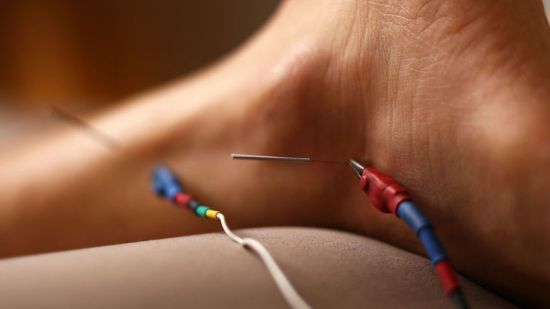
Electroacupuncture is rooted in Traditional Chinese Medicine. Needles are placed at acupuncture points selected according to TCM theory (meridians, qi and blood flow, organ patterns), and then a small electrical current is run between pairs of needles via clips attached to the handles. The stimulation frequency matters: low frequency (around 2–4 Hz) is thought to promote endorphin release and is often used for chronic pain, while higher frequencies (around 100 Hz) act more on dynorphin pathways and are used for acute pain or muscle spasm. The electricity essentially provides continuous, consistent stimulation that a practitioner would otherwise deliver by manually twirling or lifting the needles. Sessions typically involve multiple needles retained for 15–30 minutes, and it's commonly used for chronic pain, neurological conditions, nausea, and musculoskeletal complaints.
Dry needling comes from Western biomedical thinking, mainly practiced by physical therapists, chiropractors, and sports medicine clinicians. The target isn't an acupuncture point but a myofascial trigger point — a taut, hyperirritable band within a muscle. The needle is inserted directly into that knot, often with a "pistoning" or in-and-out technique aimed at eliciting a local twitch response, which is thought to release the trigger point, improve blood flow, and reset dysfunctional muscle tone. Treatment tends to be brief and targeted rather than a whole-body session. Some practitioners also apply electrical stimulation to dry needles (sometimes called "electrical dry needling"), which blurs the line between the two considerably.
Training Requirements
Both acupuncturists and physical therapists take on extensive scientific education requirements in their fields of study. However, the time it takes to become certified and start needling patients differs greatly. To become certified in dry needling, Physical Therapists complete a 3-day course composed of 54 hours of hands-on training. Once this is complete, they are legally allowed to practice on patients.
Acupuncturists, on the other hand, spend years in a Master’s program learning Chinese medical theory, diagnosis, and treatment as well as completing over 600 clinical hours. Acupuncturists are also required to pass 3-4 national board exams through the National Certification Commission for Acupuncture and Oriental Medicine (NCCAOM), with some states requiring an additional state test in order to practice on patients.
While both are experts in their fields of study, the difference in hands-on training and finesse when it comes to needling patients differs greatly. Acupuncturists spend over 11x the amount of time in clinical hours, perfecting the art of acupuncture to ensure a positive patient experience.