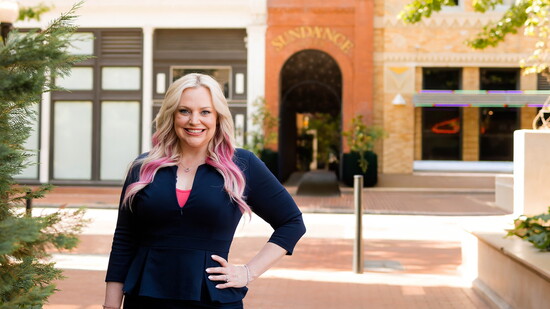
Dawn King’s fascination with courtroom law began in childhood, but an encounter during college ignited a passion for making sure children and families are prepared and protected. “I was majoring in criminal justice, so I assumed that was my career path, but I met this little girl who was in foster care at a children's shelter,” shares Dawn. “Meeting her really affected me and I went on to work at the children's shelter, then I became a social worker and worked for Child Protective Services, and now I’m an attorney.”
Dawn represents Fort Worth children and families both inside and outside the courtroom. In 2022, she established the Dawn King Law Group, a firm dedicated to helping families navigate the complexities of family law. One area of expertise for Dawn is estate planning, which includes helping clients create documents such as a Will, Trust, Medical Power of Attorney, Advance Directive, Durable Power of Attorney, and Declaration of Guardian.
Having these directives in place provides peace of mind for the person as well as a clear and less complicated path for family managing the estate. “Dying without a Will or Trust means probate courts assume control of the decedent’s estate and sort through the assets and liabilities,” explains Dawn. “Establishing a Will still means those assets go through the probate process, but there is a legally established document providing a roadmap to the deceased’s wishes.”
Although many of these documents seem straightforward, legal counsel provides clarity on issues and the law, which can quickly become complicated. In situations where there is a large estate or a large or blended family, it may be helpful to create a Trust in addition to a Will. Trusts ensure that assets are managed and preserved to be used in the way intended by the person after they are gone.
There are also special circumstances where a Trust is necessary for minor beneficiaries who cannot legally inherit or for adult beneficiaries with disabilities or special needs. “Minors are prohibited from owning real property or inheriting assets under Texas law. So, if you have minor children, you will need to designate a trustee to manage the estate until the child is legal age,” says Dawn. “If you have a child that has special needs or receives government benefits, if they're going to inherit, then you really need to establish a Special Needs Trust so that they don't lose any benefits like Medicaid.”
Many people believe estate planning can wait until retirement age. However, anyone age eighteen or over should consider having a plan in place in case of unexpected circumstances. “Accidents can happen to anyone, and a person’s life and decision-making abilities can be taken at any time. A Power of Attorney is essential to have for anyone in case something happens and you’re not able to make medical or financial decisions,” explains Dawn. “In some cases, that could lead to unnecessary family conflict or burdens being put on people you wouldn’t otherwise want.”
It is also important to review and update legal directives every few years and after any major life events such as purchasing a home or property, losing a loved one, or change in marital status. Updating beneficiaries is essential to ensuring that assets are distributed appropriately. “The law also changes,” explains Dawn. “So it’s important to make sure everything is in accordance with the code and that the details are up to date so that the plan remains valid.”
To connect with the Dawn King Law Group, visit dawnlking.com or call 817-840-5111. Also visit the blog section of the website for additional helpful information.
Establishing a Will still means those assets go through the probate process, but there is a legally established document providing a roadmap to the deceased’s wishes.