For many older adults, home isn’t just where the heart is—it’s where life feels most manageable. As Nicci Lieberman, founder and CEO of Sarasota’s Youthful Aging Home Health Care explained, “Our clients want to age in place. They want to stay independent and in control of their health.”
That desire is widely shared. In fact, nearly 75 percent of seniors say they want to remain in their own homes as they age, valuing familiarity, independence, and personal control. Aging in place, Lieberman noted, isn’t simply about staying put—it’s about staying safe, connected, and confident in daily life.
Experts report that this preference is more than a lifestyle choice. It’s a powerful force reshaping how healthcare is delivered and driving innovation in home-based care services and supportive technology designed for an aging population.
Safety is a key part of that equation. According to Senior Friendship Centers of Sarasota, nearly 25 percent of injuries among seniors occur at home. While that statistic may sound concerning, the encouraging reality is that many risks can be reduced through practical home adjustments and increased awareness.
Fall prevention is often the first place to start. Simple steps—such as removing loose rugs, improving lighting, adding grab bars in bathrooms, and installing handrails—can significantly lower the risk of injury. Fire safety is another important consideration. Smoke detectors on every floor, checked regularly, along with an easily accessible fire extinguisher, provide essential protection.
Medication management also becomes more complex with age. Managing multiple prescriptions can be confusing, and missed or doubled doses are more common than many realize. Tools such as pill organizers, reminder apps, and automated medication dispensers help reduce stress while supporting consistency and safety.
Equally important is staying socially connected. Isolation can quietly affect both physical and mental health. Senior Friendship Centers emphasized the value of community engagement—whether through senior centers, educational classes, or group activities—to help older adults remain active, supported, and connected.
Technology doesn’t replace human care, but it can quietly support daily routines in ways that feel empowering rather than intrusive. When paired with strong community resources, it helps make aging in place not only possible, but truly sustainable.
Five Technologies That Support Aging in Place
1. Smartphones and Tablets
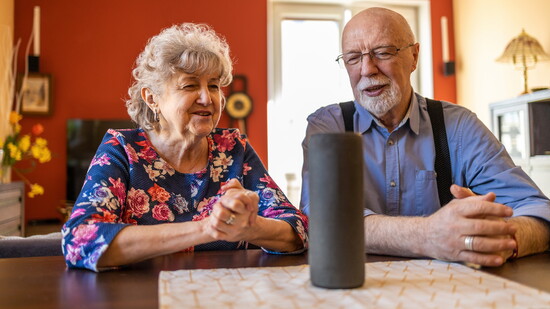
Far from being “just for the kids,” smartphones and tablets offer dictation, text-to-speech, visual aids, reminders for medications and appointments, brain games, and voice assistants like Siri or Alexa. They also make staying connected easy through phone calls, video chats, and social media.
2. Remote Health Monitoring
Wearable devices and home monitors can track vital signs, sleep patterns, and physical activity. This information can be shared directly with healthcare providers, allowing for early detection of concerns and better management of chronic conditions.
3. Medication Management Systems
Automated dispensers provide reminders and release the correct dosage at the appropriate time. This support is especially helpful considering nearly 35 percent of adults ages 60 to 79 take five or more prescription medications daily.
4. Personal Emergency Response Systems (PERS)
Modern fall-detection devices now include GPS and two-way communication, making it easier to get immediate help—whether at home or away—after a fall or medical emergency.
5. Telehealth and Virtual Care
Telehealth brings routine checkups, therapy sessions, and mental health counseling directly into the home, reducing travel while maintaining consistent care and meaningful connection.
The importance of aging in place can’t be overstated, said Lieberman. It supports independence, emotional well-being, and comfort by allowing seniors to remain in familiar surroundings filled with memories and routines. Aging at home also simplifies caregiver support and minimizes disruption to daily life. With thoughtful safety measures, supportive technology, and strong community connections, aging in place becomes less about limitations—and more about living well, right where you are. Learn more at friendshipcenters.org and youthfulaginghomecare.com.