The most memorable journeys are often shaped by the smallest details. Knowing when to linger over dinner, how to raise a glass, or when to simply observe can offer a deeper understanding of a destination and the people who call it home.
For Maria Regis of Registry Travel, thoughtful travel begins long before departure. Beyond designing personalized itineraries, she prepares clients for the cultural nuances that allow them to arrive feeling informed and ready to experience a destination more fully. From tipping guidelines and common phrases to local customs and traditions, she offers insight into what travelers might encounter along the way. She even recommends books, movies, and television shows that can offer a glimpse into a destination before they arrive.
“You don’t have to know every rule before you arrive,” Maria says. Instead, she encourages travelers to observe the people around them and follow their host’s lead. Is everyone speaking quietly? Lower your voice. Are meals moving more slowly than you are accustomed to? Embrace it rather than rushing through it. After all, the beauty of travel lies not only in discovering somewhere new, but in understanding the traditions and rhythms that give a destination its sense of place.
Japan
In Japan, cultural nuances reveal themselves in even the most everyday moments. A packed commuter train during rush hour can be remarkably quiet as passengers read, listen to headphones, or simply keep to themselves. Speaking loudly or taking phone calls on public transportation is generally discouraged, a noticeable contrast for travelers accustomed to a more outgoing American culture.
At the table, chopstick etiquette carries important meaning. Chopsticks should never be left standing upright in a bowl of rice or used to pass food directly from one pair to another, as both resemble traditions associated with funerals. Tipping is also generally not customary and can create confusion rather than convey appreciation.
Having lived in Japan for three years, Maria knows how understanding the context behind an unfamiliar tradition can transform the experience. She was initially intimidated by visiting an onsen, but once she understood the etiquette and reasoning behind it, it became a favorite part of her time there.
France
In France, settling into the dining experience often begins by taking cues from the room. Conversations in restaurants and other public spaces tend to be more subdued than Americans may be accustomed to. At the table, traditional etiquette calls for keeping your hands visible, with your wrists or forearms near the edge of the table rather than resting in your lap.
There are practical differences, too. Tap water is suitable to drink and can arrive in a carafe for the table, while ice is typically reserved for cocktails and may not accompany water or soft drinks unless requested.
When dinner is over, the check will not necessarily appear until you ask for it. Rather than rush diners out, servers allow guests to decide when their meal has come to an end. Service is included in the total cost, so tipping is not necessary, though Maria notes that 5 to 10 percent can be left for exceptional service.
Germany
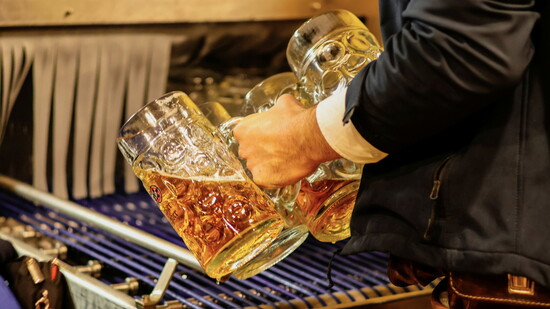
In Germany, even a simple toast comes with a tradition worth knowing. When raising a glass and saying “Prost!,” make eye contact with the people you are toasting, a small but important part of the ritual.
Punctuality is also highly valued, so if you have a restaurant reservation, arriving on time matters. Showing up late may be met with some underlying frustration from the staff. Travelers may also notice a more direct style of communication, but Maria cautions against mistaking that directness for unfriendliness.
At the table, bottled water is customary and will be added to the bill, while diners generally request the check when they are ready to leave. Tipping is typically around 10 percent, and rather than leaving a tip behind, it is customary to verbally tell the server the total amount you would like to pay, including gratuity.
Argentina
In Argentina, the rhythm of the evening invites travelers to slow down and stay awhile. Dinner often does not begin until 9 or 10 pm, and meals are highly social occasions rather than something to rush through. Instead of fighting your internal clock, Maria encourages travelers to settle in and enjoy the conversation, wine, and experience around the table.
That warmth carries into everyday interactions, too. A light kiss on the cheek is a common greeting, even among acquaintances, which can initially feel unfamiliar to Americans accustomed to a handshake and a little more personal space.
For Maria, experiencing Argentina can also mean venturing beyond the beautiful hotels and restaurants of Buenos Aires. She loves incorporating time an estancia, where clients can spend time around horses, learn about gaucho traditions, share an asado, and experience the rhythms of rural life. It is in experiences like these that the culture becomes more than something observed. It becomes part of the journey.