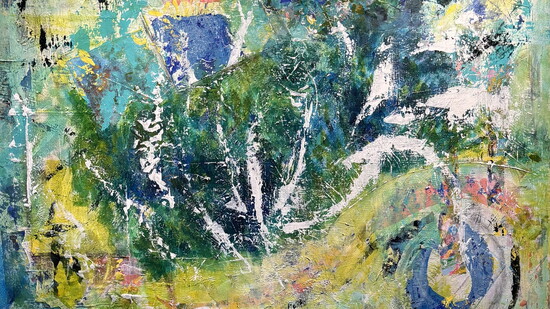
The Daytona area offers numerous outdoor festivals, where even the most discerning weekender can find good food and live music. Many events spotlight visual artists, making them an inviting entry point for anyone curious about collecting. You can start small with a first purchase from a festival booth or refine your tastes by browsing museum collections and noting the styles you prefer.
Beyond the festival scene lies a robust creative community shaped by trailblazers and working artists. Daytona has become a true haven for creatives, with studio tours and monthly art walks that invite the public behind the scenes. For those ready to move from casual admirer to investor or collector, local galleries and professional advisors offer the next step.
Avenues for Collectors
Some hopeful treasure hunters scour garage sales and flea markets in search of the elusive masterpiece tucked away on the dollar table. If you’ve discovered an artist or style you genuinely love, though, the next step would be to develop a complementary collection. That’s when working with a gallery director, curator, consultant, or broker can make sense.
These professionals bridge the gap between artist and buyer, saving you time and research while broadening your exposure to quality work. Gallery owners, in particular, spend time understanding your preferences and then introduce you to artists whose work aligns with your aesthetic and budget. Over time, those relationships can open doors to early previews, private showings, and access to emerging talent before prices climb.
Buy Low and Sell High: Invest for Value – Collect for Enjoyment
Meghan Martin, gallery director at Arts on Douglas in New Smyrna Beach, vividly remembers the unknown artist who answered a call for entries for the gallery’s alt-space exhibition nearly a decade ago.
“We showed some of her pieces in our exhibition for emerging, contemporary Florida artists,” Martin says. “She immediately sold a couple of works.”
Today, she is a prolific artist represented by the gallery with a dedicated following of collectors who are notified as soon as new pieces are completed. “Her work sells as soon as—if not before—it makes it onto our walls,” Martin adds.
Stories like this illustrate art’s potential to appreciate in value over time, but seasoned professionals caution that appreciation should never be the sole motivation. Passion and knowledge remain essential.
Working with an art consultant or appraiser can dramatically expand your understanding of value, provenance, and market trends. Many advisors come from academic backgrounds in art history and maintain networks of experts across specialties. Having a trusted guide at your side during an auction or private negotiation can be invaluable.
“So much of art collecting is subjective and often an impulse buy,” says Mark Alexander, director of Art Services 2000 Ltd., a Palm Coast appraisal firm in business for more than 25 years. “It helps to have a consultant who has the deep research background and experience to point out potential issues before you complete a purchase.”
Expert Advice for Smart Collecting
Alexander recommends that serious collectors hire an experienced, credentialed fine art appraiser — especially when significant sums are involved. Look for someone with a fine art degree who is a fully accredited member in good standing with one of the three personal property appraisal organizations recognized by The Appraisal Foundation:
- International Society of Appraisers
- American Association of Appraisers
- American Society of Appraisers
Qualified appraisers adhere to the Uniform Standards of Professional Appraisal Practice (USPAP) and may be authorized by the IRS to conduct appraisals for tax-deductible charitable donations. In high-profile legal matters, appraisers have even worked alongside the U.S. Department of Justice to determine the value of seized art assets.
Collectors on a budget often gravitate toward numbered prints, which can provide access to respected artists at a lower price point; however, it pays to be cautious. Prints are sometimes misrepresented as originals. Understanding edition size, signatures, and authentication documents is essential when purchasing independently.
Another alternative for budget-minded investors is fractional ownership in high-value artwork through SEC-regulated entities such as corporations, LPs, or LLCs. These arrangements allow investors to buy shares in significant works and typically generate Schedule K-1s for tax reporting. Fractional investing is attractive for diversifying a portfolio and reducing risk.
For art on your wall, though, we toured several area galleries displaying some of the area's most collectible art with an eye to both established and emerging talent.
Art League of Daytona Beach (ALDB) is the oldest arts organization in Volusia County, founded by Donald J. Emery and John A. Rogers to provide fellowship for fellow artists. It will celebrate its 100th anniversary next year.
Emery studied at the School of the Museum of Fine Arts in Boston and the Fenway School of Illustration before working as an illustrator in Manhattan and Daytona Beach. Rogers, the son of one of the founders of the Art Institute of Chicago, was both a painter and architect; he designed the Peninsula Club building and numerous Daytona homes.
ALDB’s building at 433 S. Palmetto Avenue includes the Harris Gallery and two classrooms. It has nurtured many artists, including Jonathan Knight who took his first class there at age 12. After graduating from the Art Institute of Fort Lauderdale, Knight earned over 1,000 awards and has enjoyed international success. His popular “Beach” series reflects his foundation in Daytona where he recently returned to teach at ALDB where his classes routinely sell out. His work appears in museums, airports, schools, and corporate collections.
Art Spotlight at 67 W. Granada Blvd. in Ormond Beach is co-owned by Teri Althouse and Thays Franca. Franca opened her first gallery and studio in 2015. The two met during the “Art Battle” and the rest, as they say, is (art) history.
Today, Art Spotlight represents 26 artists and debuts a new front gallery exhibition each month. Franca helped launch the Ormond Beach Art Walk and was recognized by the City of Ormond Beach and Florida’s Secretary of State as Business Owner of the Year in 2024.
Arts on Douglas at 123 Douglas Street in New Smyrna Beach was established in 1996 by artist and Atlantic Center for the Arts (ACA) founder, Doris “Doc” Leeper and artist/benefactor, Ed Harris. Doc was an internationally recognized painter, sculptor, and visionary who was instrumental in creating the Canaveral National Seashore. She founded the ACA as an artist-in-residence program. Doc envisioned the gallery as a commercial platform to promote Florida artists.
Harris was an engineer with a passion for making art. As President of Gulf + Western, he was instrumental in procuring the company’s art collection. He supported Doc’s effort as a philanthropist and provided additional downtown presence through the historic Harris House. The gallery and ACA have subsequently combined missions, resources, and programs.
Gallery500 at 1870 Victory Circle in One Daytona Center represents artists focused on motorsports as well as other contemporary art styles. They offer complimentary previews that digitally render artwork into a collector’s home or business space and also provide on-location services within a 30-mile radius.
The gallery is home to the “Art Battle.”
Mimi’s Original Art at 1385 US-1 in Ormond Beach was founded by Michele Connors to provide a welcoming space for both artists and collectors. Representing more than 40 artists, the gallery features styles ranging from coastal and floral to impressionistic and abstract. In addition to fine art, Mimi’s offers handmade jewelry, home décor, and is a Jay Strongwater, Christopher Radko, and Mary Frances retailer.
Next Steps
Building an art collection is both personal and strategic. Just as you would hire an independent auto mechanic to balance your passion with knowledge, it's smart to consult a qualified appraiser when considering a significant art purchase or sale.
Ultimately, the most successful collections combine financial prudence with emotional connection. You want pieces that may appreciate over time—but that also bring daily enjoyment. If you are able to leave your heirs a valuable heirloom, a thoughtfully assembled collection will also provide lasting appreciation across generations.
Stories like these illustrate art’s potential to appreciate in value over time, but passion and knowledge remain essential.
It pays to be cautious and hire an experienced, credentialed art appraiser to guide you in your purchase, especially when significant sums are involved.