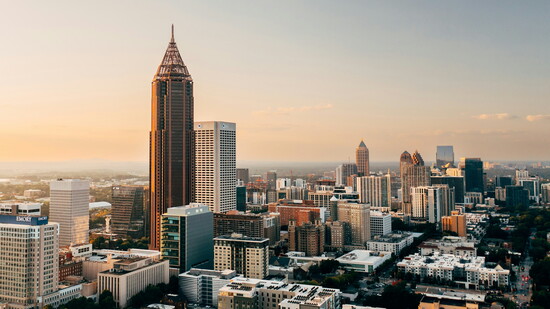
Atlanta is entering 2026 with a rare sense of cohesion. Long-planned projects are no longer theoretical. They are open, active, and shaping daily life. For visitors from North Georgia, these destinations offer a more layered experience than a weekend itinerary. Each reflects how the city is evolving without erasing its past. Historic bones remain visible. Green space is prioritized. Culture and infrastructure move together rather than in competition.
What makes these places compelling is not scale alone, though scale matters. It is the way they reframe Atlanta’s identity ahead of a global spotlight. These districts sit at the intersection of history, design, and civic intention. They reward slow wandering, photography, conversation, and return visits.
Atlanta’s momentum also feels intentional. These destinations are not isolated projects, but connected chapters in a broader urban narrative. For North Georgia residents, they offer a reason to return repeatedly, watching neighborhoods mature, seasons shift, and the city reveal itself slowly rather than all at once. This is not about checking landmarks off a list. It is about experiencing Atlanta as it wants to be seen in 2026. Confident, creative, and grounded in place.
Centennial Yards
The former Gulch has become Atlanta’s most ambitious act of reinvention. Centennial Yards unfolds between Mercedes-Benz Stadium and State Farm Arena, transforming long-neglected rail corridors into a mixed-use district of public spaces, dining, and pedestrian streets. For North Georgia visitors, it offers an easy entry point into downtown with wide walkways, skyline views, and proximity to major events shaping the city’s global moment.
South Downtown Revival District
Atlanta’s original downtown is being carefully restored rather than replaced. Fifty-seven historic buildings are reopening at once, creating one of the Southeast’s largest preservation efforts. Steps from the stadiums, South Downtown Atlanta blends early 1900s brick facades with emerging cafés, galleries, and creative offices. It feels authentic, photogenic, and deliberately unfinished in the best way.
Atlanta BeltLine Expansion
Often described as the city’s most influential development of the decade, the Atlanta BeltLine now connects more neighborhoods than ever. By 2026, Southside and Westside segments bring fresh energy beyond Midtown. Visitors can walk or bike through parks, breweries, and outdoor art without touching a car, experiencing Atlanta as a continuous social corridor.
Westside Park at Bellwood Quarry
Atlanta’s largest park feels almost cinematic. Built inside a former quarry, Westside Park at Bellwood Quarry offers cliffside overlooks, a vast reservoir lake, and skyline views that surprise first-time visitors. It represents Atlanta’s investment in both beauty and infrastructure, quietly anchoring the Westside’s long-term growth story.
Pullman Yards
Once a railroad factory, Pullman Yards has become a rotating stage for Atlanta’s creative economy. Concerts, immersive exhibits, film shoots, and festivals fill its brick warehouses. For visitors, it captures the city’s entertainment momentum and its ability to repurpose industrial history into something culturally alive.
Atlanta’s most compelling destinations in 2026 are not defined by novelty or shine. They matter because history, design, and daily life finally move together, creating places that feel lived-in, intentional, and reflective of a city comfortable in its next chapter.