Back-to-School Plumbing: Essential Checks to Handle Increased Household Demand
Date: July 28, 2025
Estimated Read Time: 4 minutes
When school starts, your home's water usage spikes dramatically. Early morning showers, multiple loads of laundry, and busier schedules put serious stress on your plumbing system. Before the chaos begins, here's what you need to know to keep your plumbing running smoothly—and what issues to watch for.
How Your Plumbing Works Under Pressure
During the school year, daily water demands can increase 40-50% compared to summer months. More showers, more toilet flushes, more washing machines running simultaneously—it all adds up. Your plumbing system is designed to handle normal usage, but when multiple fixtures run at once, pressure and wear increase.
Common stress points include:
Main water line — carries water from the street into your home
Drain lines — remove wastewater; clogs here cause backups
Water heater — works overtime to supply hot water for multiple showers
Pipes under sinks and behind walls — prone to leaks when pressurized
The Warning Signs: What to Look For
Catching plumbing issues early prevents expensive emergencies. Here are the red flags to monitor:
Leaks
Wet spots under sinks or around toilets
Stains on ceilings or walls (indicates leaks inside walls)
Dripping sounds in walls or under the home
Unexplained increases in water bills
What causes them: Corrosion, loose connections, or frozen pipes (in winter). Leaks waste water and can damage your home's structure over time.
Slow Drains
Water pools in tubs or showers
Toilets that don't flush completely
Gurgling sounds from drains
What causes them: Hair buildup, soap scum, mineral deposits, or larger blockages. Early intervention prevents full clogs.
Low Water Pressure
Weak shower stream
Faucets that barely trickle
Multiple fixtures low at the same time (points to a bigger issue)
What causes them: Mineral buildup in aerators, broken supply lines, or issues at the meter. Affects your comfort and can indicate hidden problems.
Discolored Water
Brown, yellow, or rust-colored water
Only happens when running hot water
Especially common in homes with older pipes
What causes them: Sediment in the water heater or corrosion inside pipes. Often not dangerous, but worth investigating.
What You Can Do Right Now
1. Check Under Sinks
Look under every sink for water stains, puddles, or corrosion. Feel the pipes gently—they should be cool and dry.
2. Inspect Visible Pipes
If you have exposed pipes in the basement or crawlspace, look for:
Green or white mineral deposits (corrosion)
Wet spots or seeping water
Loose or damaged sections
3. Test Your Water Pressure
Turn on the shower at full blast, then flush a toilet. Does the shower pressure drop dramatically? That's normal, but significant loss of pressure throughout your home suggests a problem.
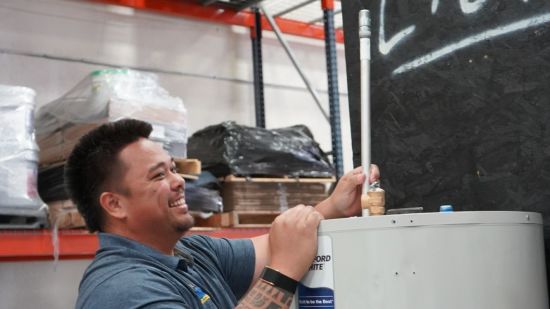
4. Check Your Water Heater
Locate it in your basement or utility closet. Look for:
Rust or corrosion on the tank
Water pooling underneath
Age (if it's 10+ years old, plan for replacement soon)
5. Clear Drain Screens
Remove lint traps in shower drains and clean them weekly. Use a plunger to clear slow kitchen sinks before they clog completely.
6. Know Your Shut-Off Valve
Find your main water shut-off valve (usually near the water meter or where the main line enters your home). In an emergency, everyone in your household should know where it is and how to turn it off.
Prevention Tips for the Busy School Year
Stagger water usage — avoid running multiple showers, laundry, and dishwasher simultaneously when possible
Use drain screens in all sinks and tubs to catch hair and debris
Run hot water for 30 seconds before using dishwasher to ensure hot water reaches it
Check hoses on washing machines annually; replace every 5-7 years to prevent bursts
Don't overload the toilet with excessive paper (use reasonable amounts)
Keep drains clear by using a drain snake monthly if you notice slow drainage
Insulate exposed pipes in cold climates to prevent freezing
When to Call a Professional
Some issues require professional expertise. Schedule a plumbing inspection if you notice:
Persistent leaks or water stains
Multiple slow drains (suggests main line issue)
Backups in multiple fixtures
Water heater leaks or lack of hot water
Discolored or foul-smelling water
Unusually high water bills
A professional plumber can perform a comprehensive inspection, identify hidden problems, and prevent costly emergency repairs later.
Getting Ready for the School Year
A pre-school plumbing check is a smart investment. A professional inspection typically covers:
Pressure testing to find leaks
Camera inspection of main drain lines
Water heater assessment
All visible pipes and connections
Recommendations for repairs or maintenance
If you spot any warning signs during your own inspection, or if it's been a few years since your last professional check, now is the time to address it—before the school year rush begins and an unexpected plumbing emergency disrupts your routine.
At Sierra Air Conditioning & Plumbing, we specialize in thorough home inspections that catch problems early. Our technicians explain exactly what they find, so you understand your options. Whether you need a full inspection or have a specific concern, we're here to help ensure your plumbing is ready for the busy season ahead.
Ready for peace of mind? Call us at (702) 710-9106 or visit sierracoolslv.com to schedule your back-to-school plumbing inspection today. Serving the Las Vegas area with 24/7 emergency service.
Sierra Air Conditioning & Plumbing helps families maintain comfortable, reliable homes. Based in Las Vegas, we've been serving the community with quality plumbing and HVAC service for years.