“Mom made my favorite dinner last night, and I can’t wait to reheat it for lunch today!”
But what if reheating your leftovers is causing your body harm?
Most of us care about our food in a superficial way: the way it looks, the way it smells, the color, the temperature, etc; but how many of us are paying attention to what materials our food touches?
Microwaving leftovers in plastic containers, leaving bottled water in a hot car, eating foods from lined cans, or placing hot takeout directly into plastic packaging are all examples of moments where food comes in contact with potentially harmful chemical groups that we ingest blindly. Researchers have been studying these effects on hormones due to the high level of hormone dysfunction and dysregulation that has been occurring in adults and teenagers over the past several years.
Hormones are messengers for the body and brain. Certain chemicals interfere with how those messages are produced and received. It’s more complex than a high lab level in one area or a low level in another; disruptions within the hormone system affect the person in their entirety. Hormones have historically received limited public attention, but growing scientific research and increased awareness have brought this topic to be more prominent in conversations surrounding health and wellness.
Have you ever noticed a “BPA Free” label on products ranging from water bottles to storage containers? This label is the product company telling its consumers that they did not use bisphenol A, a known endocrine disruptor, when making the product. While this may feel reassuring, this label does not guarantee that the product is free from chemicals that may interfere with hormones. Some manufacturers simply replace it with similar chemicals, such as BPA or BPF, which researchers suggest may also be affecting hormone signals. The label will tell you what has been taken away but not necessarily what is taking its place.
Factors like the material being used, the temperature it’s being stored in, the condition it was originally in, and the intended use of the materials all affect the chemical migration. And not all products are the same. That’s why it is important to be educated when considering what you’re willing to put into your body.
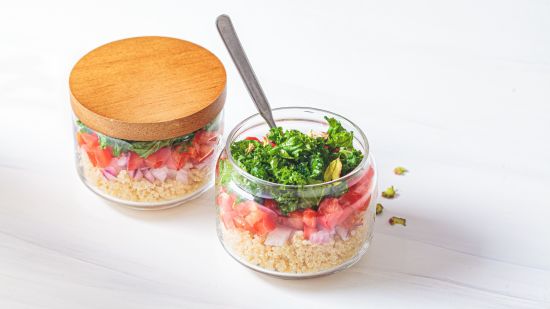
As a safe alternative, it is recommended to transfer food to microwave-safe glass or ceramic before heating and consider glass or stainless steel for storage. It is equally encouraged to follow care instructions and replace damaged containers when needed.
Discussing the way we package food is an important part of the conversation we need to be having alongside nutrition, sleep medications, and stages of life and hormone evaluations. While symptoms alone may not be able to identify a chemical as the root cause, extensive testing may be done to measure the level of chemicals, plastics, and toxins within the body. There is now a growing interest in treatments that may help support the body’s natural ability to process and eliminate unwanted substances. Gilbert’s own ‘Limitless Regen’ recently acquired an apheresis machine to assist in their work of repairing at the cellular level.
Limitless Regen prioritizes their continuing education to be able to tackle these questions and perform individualized evaluations on patients who are eager to understand the connection between the materials they surround themselves with every day and their hormonal functions.