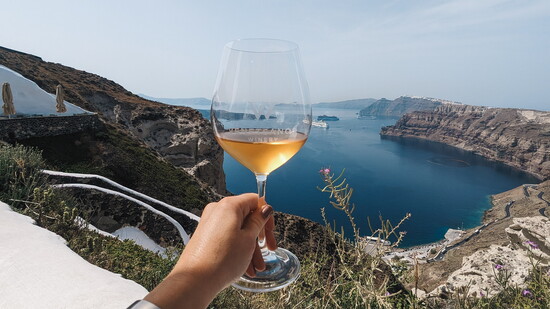
You have a vision for your trip: vineyard views, intimate tastings and long lunches. But turning that vision into an actual itinerary can be overwhelming. Where should you stay? Which wineries should you visit? How will you get around? And how much needs to be booked in advance?
A well-designed wine trip brings all of those pieces together. The goal isn’t simply to visit great wineries, but to experience the region as a whole through its wine, food, scenery, and local culture.
Start with the region, not the winery list
Before choosing specific wineries, think about the kind of experience you want. Some regions are polished and grand, with historic estates and formal tours. Others are more relaxed and personal, with small family-run producers and tastings led by the winemaker.
The most recognizable name is not always the most memorable stop. In Champagne, one of my favorite experiences was a personal tasting with the owner of Paul-Étienne Saint Germain in Épernay. Hearing directly from him made the wines—and the visit—far more memorable. A good itinerary often includes a mix of renowned estates and smaller producers offering that kind of personal connection.
Choose the right home base
Where you stay can shape the entire trip. Rather than automatically booking the largest nearby city, consider a smaller town or village closer to the vineyards. You’ll spend less time in the car and enjoy the area after the day-trippers leave.
Mendoza is a perfect example. The city makes an easy base for day trips to surrounding wineries, but travelers who want to spend more time among some of the region’s best vineyards should consider pairing it with a few nights in the Uco Valley. Sometimes using two bases lets you experience the region more fully.
Limit the number of daily tastings
Two thoughtfully chosen winery visits in one day are often better than four. Appointments can take longer than expected, especially at smaller producers where the experience is more conversational and personal. After the second visit, the wines, stories and tasting notes can start to blur together.
A lighter schedule leaves room for a long lunch, village market or unexpected stop. In Montalcino, a visit and lunch at Il Cocco gave us the chance to meet Giacomo, a wonderfully down-to-earth winemaker, and enjoy Brunello di Montalcino right where it is produced. It wasn’t just another tasting; it became the experience of the day.
Plan transportation in advance
Driving may look easy on a map, but narrow roads, unfamiliar routes and multiple tastings can complicate the day quickly. Depending on the destination, hiring a private driver or knowledgeable local guide may be worth the expense. Beyond providing safe transportation, a great guide can offer context and introduce you to producers you may not have found on your own.
Book early and leave some breathing room
Many smaller wineries are open by appointment only. The person hosting your tasting may also be responsible for the vineyard, cellar and other parts of the business, so last-minute visits aren’t always possible.
Reserve the experiences that matter most in advance, but resist scheduling every hour. A memorable wine trip isn’t measured by the number of tastings completed or labels recognized. It’s about slowing down long enough to understand the place behind what’s in your glass.