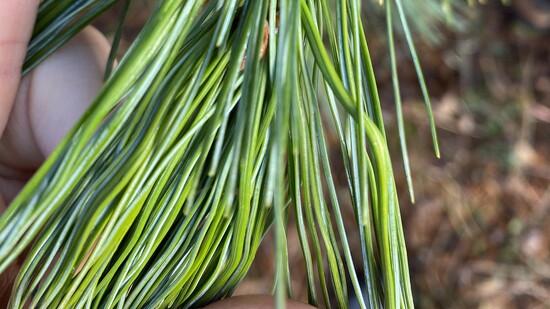
Somewhere in the depths of my memory, I recall the Boxcar Children sleeping on a bed of pine needles. Now that doesn’t exactly sound comfortable to me. Have you ever touched a pine tree? But I recently made the acquaintance of the Western White Pine, a tree whose soft needles may just convince you to cozy up around its trunk. This elusive tree inhabits the Pacific Northwest, and if you happen upon one, you must try your hand at a most advantageous winter refreshment. It goes by many names. Pine needle soda. Spruce beer. Or—my favorite because it makes me sound fancy— bière d'épinette. But a rose by any other name IS just as sweet (and just as healthful), for the drink contains four to five times the amount of vitamin C as orange juice. The drink has a flavor profile similar to Sprite, with notes of citrus and mint.
Long ago, Native Americans used the needles as a way to cure scurvy in the cold winter months. Today herbalists use pine needles for their antibacterial and pain-relieving properties.
The most identifiable mark of the Western White Pine is its banana shaped pinecones. Also look for soft needles in bunches of five and long white serrations in the needles. Ponderosa pine, Lodgepole pine, Norfolk Island Pine, and Yews should not be used as these are toxic.
Directions:
Rinse your foraged pine needles in water. Cut off the hard stem part and add the needles to a bottle or mason jar. Leave one or two inches of headspace at the top to allow for pressure build-up. Close the lid and shake to distribute the sweetener evenly. Leave the jar on your kitchen counter for two to three days to allow fermentation. Do not let it sit for longer than three days as the pressure will begin to build up. Strain the needles and serve with a squeeze of lemon or lime.
Ingredients:
- 1 ½ cup filtered water
- 1 cup pine needles
- 2 tablespoons of sweetener (honey, sugar, or maple syrup)