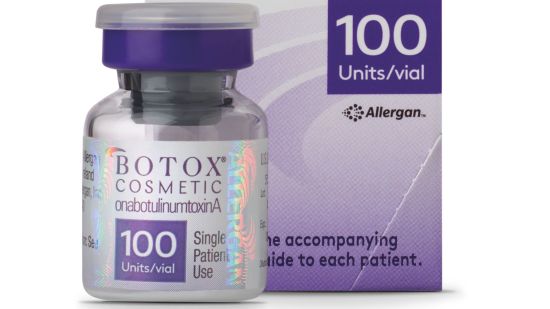
Botox (onabotulinumtoxinA) is one of the most popular cosmetic treatments in the world. It also has a long safety record. It smooths wrinkles by temporarily relaxing the muscles that cause them. Like any medical treatment, it can have side effects. The good news is that most are mild, short-lived, and treatable, and almost all of them go away on their own as the Botox wears off.
This guide explains what can happen, why it happens, and what we do about it.
Why side effects happen
Most Botox side effects fall into two groups:
Effects from the needle itself, such as redness, swelling, or bruising where the injection went in.
Effects from the Botox spreading to a nearby muscle it wasn't meant to reach. This can cause a droopy eyelid or a brow that sits in the wrong place.
Problems in the second group depend heavily on technique. They become much less common when the injector has strong training, knows facial anatomy well, and uses careful dosing. Side effects usually show up within the first week or two after treatment. They are almost always temporary, because Botox itself is temporary.
Common, minor side effects
Redness, swelling, and tenderness
Small bumps and pinkness where the needle went in are normal. They usually fade within a few hours to a day.
How it's fixed: Nothing is usually needed. A cool compress can help.
Bruising
Bruises can be as small as a pinpoint or as large as a quarter. They can take up to two weeks to fade completely. Bruising is more likely if you take blood thinners, aspirin, ibuprofen, fish oil, or certain supplements.
How it's fixed: Ice and gentle pressure right after treatment help keep a bruise from getting bigger. Makeup can cover it. If a bruise needs to fade faster before an important event, some offices offer a laser or light treatment to speed healing.
Headache
A mild headache after forehead or frown-line treatment is fairly common. It usually goes away within a day or two. Rarely, a headache lasts a few weeks.
How it's fixed: Acetaminophen (Tylenol) usually works well. Let us know if a headache is severe or doesn't go away.
Feeling faint or lightheaded
Some people get nervous about needles and feel woozy or briefly faint during the visit.
How it's fixed: Lying down, resting, and having a drink of water usually solve it quickly. Tell us beforehand if you've fainted with needles before. Mercedes is super comfortable working with patients have have needle phobia or a history of fainting.
Less common cosmetic side effects
Droopy eyelid (eyelid ptosis)
This is the side effect patients worry about most. It happens when a small amount of Botox spreads to the muscle that lifts the upper eyelid. It usually affects one side and causes a slight droop of about 2–3 mm. The droop is often more noticeable at the end of the day when you're tired. It is uncommon, affecting roughly 1 in 100 to 1 in 20 people after frown-line treatment, and it is less frequent with experienced injectors. It usually improves over a few weeks.
How it's fixed:
Prescription eye drops. Oxymetazoline 0.1% (Upneeq) is an FDA-approved, once-daily drop. It works on a second, small eyelid-lifting muscle and can raise the lid by about 1–2 mm while the Botox wears off.
Other drops. Some over-the-counter or prescription drops (such as naphazoline-based drops or apraclonidine) can also help. Apraclonidine is used with caution in people with glaucoma.
A small corrective injection. In some cases, a tiny dose of Botox placed in a specific spot near the lash line can help the eye open more.
Time. The droop goes away completely as the Botox wears off.
Heavy or low eyebrows (brow ptosis)
If the forehead muscle is relaxed too much, especially low on the forehead, the brows can feel heavy or sit lower than usual. This is more likely in people whose brows or upper eyelid skin already sag a little.
How it's fixed: A small amount of Botox can be placed in the muscle that pulls the brow down, which can help lift the tail of the brow. Otherwise it improves as the Botox wears off.
The "Spock" or surprised brow
Sometimes the outer part of the eyebrow arches up too high, giving a quizzical look. This happens when the middle of the forehead is relaxed but the outer forehead muscle is still active.
How it's fixed: This is one of the easiest problems to fix. A touch-up of 1–2 units of Botox in the outer forehead usually smooths the arch within days.
Uneven results (asymmetry)
One side may look more relaxed than the other. This can come from small differences in dosing, natural differences in your muscles, or facial asymmetry you already had.
How it's fixed: A touch-up at your follow-up visit (usually about 2 weeks after treatment) can balance things out.
Smile or lip changes
Treatments near the mouth, or crow's-feet injections placed too low, can sometimes affect the smile. This can cause an uneven smile or slight trouble with drinking through a straw or saying certain words.
How it's fixed: This resolves as the Botox wears off. Careful placement prevents most cases.
Double vision or dry eyes
Double vision is rare. It can happen if Botox reaches one of the muscles that move the eye. Dry or irritated eyes can also occur.
How it's fixed: Lubricating eye drops help with dryness. Double vision fades as the Botox wears off, but contact us right away if it happens.
Numbness or tingling
Rarely (less than 1% of the time), the needle irritates a small nerve and causes tingling or a brief "electric" feeling.
How it's fixed: This usually resolves without treatment.
Botox not working as well over time
Very rarely (less than 1%), the body makes antibodies that reduce how well Botox works.
How it's fixed: Using the lowest effective dose and avoiding very frequent treatments helps reduce this risk. Switching to a different botulinum toxin product is sometimes an option.
Rare but serious side effects
These are extremely rare with cosmetic doses, but you should know about them.
Allergic reaction
Hives, swelling, or trouble breathing happen in fewer than 1 in 1,000 people.
How it's fixed: Standard emergency allergy treatment. Our office is prepared to handle these reactions.
Infection
Infection is very rare (fewer than 1 in 10,000 treatments). It shows up as growing redness, warmth, pain, or pus at an injection site.
How it's fixed: Antibiotics if needed.
Spread of the toxin beyond the treated area
The FDA requires a warning that botulinum toxin can, in rare cases, spread and cause muscle weakness away from the injection site. Symptoms can include trouble swallowing, speaking, or breathing, general weakness, or drooping of both eyelids. These effects have mainly been reported with the much higher doses used for medical conditions, not cosmetic treatment. People with nerve-muscle conditions such as myasthenia gravis, Lambert-Eaton syndrome, or ALS are at higher risk.
How it's fixed: This is a medical emergency that needs immediate care. Treatment is supportive, and in some cases a specialist may use medicine to help restore muscle strength.
When to call us — or 911
Call 911 or go to the emergency room right away if you have:
Trouble breathing, swallowing, or speaking
Swelling of the lips, tongue, or throat, or widespread hives
Weakness spreading through your body
Call our office if you have:
A droopy eyelid or double vision
Redness, warmth, or pain that is getting worse, or pus
A headache that is severe or lasts more than a few days
Results that look uneven or unexpected (we're happy to see you for a touch-up)
How we lower your risk
Choosing an experienced, medically trained injector. This is the single biggest factor in avoiding complications.
Sharing your full health history. Tell us about any nerve or muscle disorders, pregnancy or breastfeeding, blood thinners, recent antibiotics, and past Botox reactions. Botox is generally avoided during pregnancy and breastfeeding because there isn't enough safety data.
Using the lowest effective dose, placed precisely, with safe distances from the eyes.
Following aftercare instructions, including avoiding rubbing or massaging the treated areas on the day of treatment.
Coming back for a follow-up visit about 2 weeks after treatment so we can check your results and fine-tune them if needed.
The bottom line for patients
Most Botox side effects are small, short-lived, and easy to manage. The more noticeable ones, like a droopy lid or an uneven brow, are temporary and can often be improved with eye drops or a quick touch-up. Serious problems are very rare with cosmetic treatment. If something doesn't look or feel right after your visit, reach out to us. We would much rather hear from you early.
This article is for general education and does not replace a personal consultation. Please talk with your provider about your own health history and risks.