How to Capture Travel Memories: Journaling, Photos and Keepsakes
Travel has a way of filling the senses with new places, flavors, faces, and feelings. Yet those experiences can fade quickly once the suitcase is unpacked and daily routines take over. For many travelers, the struggle is not in having a wonderful trip but in finding a simple, reliable system to record it. Photographs are the most obvious answer, but journaling, small mementos, and even digital tools all play a role in turning a good vacation into a lasting story.
Capturing travel memories does not have to mean carrying heavy equipment or writing long essays every night. A few practical habits, used before and during the trip, can make a meaningful difference. The goal is to build a record that brings back not just the sights but also the sounds, smells, conversations, and small surprises that made the journey special.
Why Travel Memories Deserve a Plan
Most people arrive home with hundreds of photos on their camera roll and a vague intention to organize them someday. That someday often never comes. Without a clear approach, even the best trips can become a blur of similar-looking snapshots. Planning ahead is one of the most effective ways to make sure you do not miss the moments that matter most to you.
Before you leave, think about what you want to remember. Every destination offers a mix of iconic landmarks, hidden gems, and unique local experiences. Some travelers want sweeping views of famous sights; others prefer quiet streets, food markets, or conversations with residents. Knowing your own preferences helps you focus your attention and your camera on what you will actually treasure later.
Start a Travel Journal, Even a Short One
A travel journal does not need to be a polished diary written in perfect prose. It can be a small notebook, a note-taking app, or a combination of both. The important thing is to start writing while the day is still fresh in your mind.
Carrying a notebook is one of the simplest habits a traveler can adopt. It works anywhere, does not run out of battery, and captures things a camera cannot, such as the name of a kind waitress, the song playing in a bakery, or the way the rain smelled on a cobblestone street. Even a few quick lines written over coffee can preserve a moment that would otherwise disappear.
If writing by hand does not appeal to you, a smartphone works just as well. Many travelers use their phone to track where they go, which makes it easy to add short notes while waiting for a train or relaxing in a hotel room. The key is consistency, not length. A daily entry of three or four sentences is far more valuable than one long entry written on the final night of the trip.
Develop an On-the-Go Routine
One of the biggest challenges of journaling while traveling is finding the time and energy. After a long day of exploring, the last thing many people want to do is sit down and write. This is why developing an on-the-go routine is so important.
An efficient approach is to capture small notes throughout the day and expand them later. Jot down the name of the street where you had lunch, the color of the door in that quiet alley, or the comment made by your taxi driver. These fragments serve as memory triggers that make a longer journal entry or blog post much easier to write at the end of the trip.
Voice memos are another useful option for capturing travel memories without needing to stop and type. Recording a short spoken note while watching a sunset or walking through a museum preserves the emotion of the moment in a way that writing sometimes cannot match.
Make the Most of Your Photography
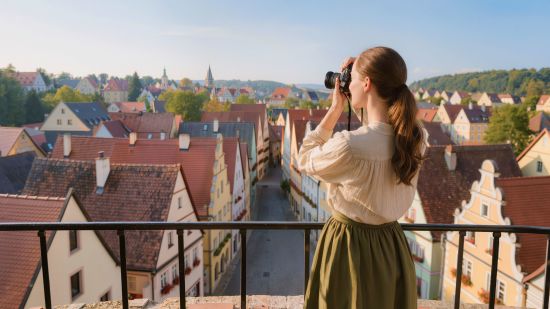
Photography is the most popular tool for capturing travel memories, yet many people feel disappointed when they review their images later. The photos may be technically fine, but they do not tell the story of what the trip actually felt like. To improve the quality of your travel photography, it helps to know your equipment before you go.
Whether you carry a dedicated camera or simply use your phone, take time to understand its settings, strengths, and limitations. A traveler who knows how to adjust exposure, focus, and framing in different lighting conditions will be far more confident when the perfect scene appears. This applies to experienced photographers and casual travelers alike.
It is also worth planning what you want to photograph. Look for iconic landmarks and hidden gems alike, but leave room for spontaneous moments. Some of the best travel photos are unplanned, such as children playing in a plaza, a street vendor preparing food, or the quiet view from a hotel balcony. Give yourself permission to put the camera down sometimes and simply absorb the place as well.
Use Geotagging to Remember Where You Were
A photo may capture what you saw, but it does not always help you remember exactly where you saw it. Weeks later, two similar-looking beaches or cathedrals can blend together in your memory. Geotagging solves this problem by recording location data on your photos.
Geotagging your photos while traveling is a simple habit with a big payoff. Most modern smartphones attach location data automatically, and many cameras offer the same feature. Review your settings before your trip to confirm that location tagging is enabled. For older cameras that do not support geotagging, you can use a smartphone app to log your route and match it with your photos later.
When you geotag your photos, you also make organizing easier. Instead of trying to remember whether a certain photo was taken in the morning or the afternoon, you can sort your collection by location. This turns a scattered group of images into a clear map of your journey and makes it far easier to look back on your route accurately.
Collect the Small Things
Photographs capture what things looked like, but physical mementos capture what the journey felt like. Souvenirs do not have to be expensive or large to be meaningful. In fact, the smallest and most ordinary objects often trigger the most vivid memories.
One popular approach is to build a travel scrapbook using items you gather along the way. Entrance tickets, bus tickets, and information leaflets from museums and attractions all make excellent scrapbook material. Even coin rubbings and candy wrappers can find a place in a memory collection. The key is to keep an eye out for items that represent a specific experience, not to fill a bag with generic trinkets.
Some travelers also send postcards to themselves from the destination. This hands-on method creates a surprise waiting in the mailbox at home, often with the stamp and postmark adding an authentic touch that a regular souvenir cannot provide. The delay between writing and receiving the postcard can make the memory feel fresh again when it finally arrives.
A DIY souvenir is another creative option. You might collect sand from a beach in a small vial, press a flower from a garden, or sketch a quick drawing of a memorable scene. These personal creations carry far more emotional weight than a mass-produced keychain from a gift shop.
Turn Photos and Notes Into a Finished Story
Capturing travel memories during the trip is only half of the process. The other half is making the collected material easy to revisit once you are home. Without a system, photos remain buried on memory cards and journal entries stay hidden in notebooks.
Set aside time after your trip to sort, select, and edit. Delete blurry duplicates, choose the strongest images from each day, and add captions while the details are still clear in your mind. If you kept notes during the trip, use them to write a short summary of each day or to add context to your photo album.
The format you choose for the final product matters less than the act of creating it. A photo book, a blog post, a digital album, or a physical scrapbook can all serve as a long-term record of the journey. Many travelers find that this final step of curation transforms a pile of raw material into a meaningful story they can share with family and friends.
Remember the People Who Made the Trip Special
Travel creates connections that deserve their own kind of memory keeping. When you meet interesting people on the road, a simple photo or video may not be enough to preserve the warmth of the encounter. Travelers who want to remember these relationships often look for more personal ways to mark them.
Writing down a few details about someone you met, such as their name, where they were from, and what you talked about, is a simple practice with lasting value. You could also exchange small contact information with your new friend so you can share photos later. Some travelers keep a dedicated section in their journal for these meeting notes, while others add the details to their phone after saying goodbye. The goal is to acknowledge that the people in your travel photos are part of the memory, not merely part of the background.
Strengthen Your Memory With a Daily Recap
Researchers and experienced travelers agree that reviewing events shortly after they happen strengthens the memory of them. A short evening ritual, even just five minutes before bed, can make a real difference in how much you remember from a trip.
Each night, take a moment to scroll back through the day in your mind. Look at the photos you took, read the notes you wrote, and add anything that is missing. This quiet reflection helps you close the day with intention and creates a stronger mental record of what you experienced. Over a two-week trip, these daily recaps build into a remarkably detailed picture of your journey that a memory alone could never hold.
Apply These Habits to Every Kind of Trip
The techniques that work for capturing travel memories apply to ocean cruises, weekend road trips, and month-long backpacking adventures alike. Getting to your destination is only the first step. What you do while you are there shapes what you will remember afterwards.
Independent travelers who plan their own journeys can use these methods with complete freedom. Those who book through a travel advisor have a different advantage: the logistics are already handled, giving them more mental energy to spend on observation, journaling, and photography. Concierge-style cruise and tour planning places an emphasis on personalized service, which means the traveler can focus on the experience itself rather than managing schedules and reservations.
Frequently Asked Questions
What is the best way to record my travels?
The best way is the one you can maintain consistently. Combining a small daily journal note with photos and geotagged location data creates a record that is easy to build and easy to revisit. Carry a notebook or use a smartphone to jot down quick details about where you went and what stood out to you each day.
How do I organize travel photos and memories after the trip?
Set aside time shortly after returning home to delete duplicates, sort photos by location or date, and add captions. Geotagging your photos during the trip makes this process much easier. You can then create a photo book, digital album, or scrapbook that combines your best images with notes and mementos.
What kinds of items should I save for a travel scrapbook?
Save items that hold a personal connection to a specific moment. Entrance tickets, bus tickets, maps, information leaflets, coin rubbings, and candy wrappers are all popular choices. Some travelers send postcards to themselves from the trip as well. These small physical objects can bring back memories more vividly than a generic souvenir.
Do I need an expensive camera to capture good travel photos?
No. The most important factor is knowing your equipment, whether it is a smartphone or a dedicated camera. Understanding settings like focus and exposure helps you capture what you actually see. Geotagging is also easy to enable on most devices and adds useful location context to every image you take.
Capturing travel memories is not about making a perfect record. It is about collecting the moments, details, and feelings that made the journey yours. With a travel journal in your bag, a camera ready in your hand, and an open eye for the small mementos along the way, you can build memories that stay vivid long after the trip ends. The habits you practice on the road will reward you every time you look back and remember a place that once felt like a distant dream.