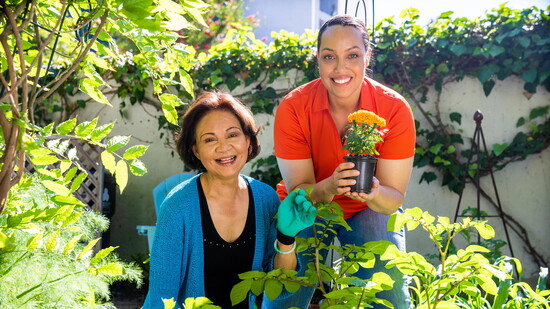
Some of life’s most important care happens at home, where comfort and identity are deeply connected. That belief led owner Emily Harris to open Homewatch CareGivers of Cincinnati, a Loveland-based franchise born from personal experience and a passion for serving others with compassion. The mission is simple yet powerful: to provide personalized in-home support that honors every person’s story while bringing reassurance to the families who love them.
That mission officially took shape on November 3, 2025, when Homewatch CareGivers of Cincinnati opened its doors in Loveland, offering not just services, but a philosophy centered on dignity, connection, and care that feels deeply personal.
At the center of the organization is Emily Harris, whose path into in-home care is as heartfelt as it is unexpected.
“I interviewed with five or six other home care companies before choosing Homewatch CareGivers of Cincinnati,” Emily recalls. “None of them felt right. They felt corporate. Transactional. When I met with Homewatch CareGivers, it felt different. It felt like family.”
That sense of belonging, combined with the organization’s forward-thinking technology and mission-driven culture, made the decision clear. But Emily’s connection to this work runs far deeper than a business opportunity.
About four years ago, Emily’s mother was diagnosed with vascular dementia while living alone in rural southern Indiana. The transition that followed — moving her mother into Emily’s home and then eventually to assisted living — was filled with emotional and logistical challenges familiar to many families navigating caregiving for the first time.
“Living together wasn’t easy,” Emily shares. “My mom didn’t want to leave her home or her independence. She wanted her own space.”
After finding a community where her mother thrived, a later move revealed a stark contrast in care. Within months, Emily knew the environment wasn’t meeting her mother’s needs. The experience, she realized, highlighted how caregiver culture and consistency shape quality of life.
Eventually, they found another community that felt like home. Emily’s sister, Carrie, also relocated to the same assisted living facility, sharing an apartment with their mother — a decision that reflected this family’s deep commitment to ensuring their mother felt supported and loved.
“My mom passed away in September 2025,” Emily reflects. “She was a caregiver at heart. Serving others was simply who she was.”
Just months later, her sister also passed away while Emily was in the midst of opening her business. The loss, coupled with her father’s Parkinson’s diagnosis, clarified her purpose in ways she never expected.
“Home care is not just about tasks,” Emily emphasizes. “It’s about dignity. It’s about family. It’s about doing it right, because I’ve seen what happens when it’s done well, and when it’s not.”
Founded more than 45 years ago, Homewatch CareGivers has built a reputation for compassionate, non-medical in-home care tailored to each individual. The Loveland location marks its first presence in the Cincinnati area — a milestone Emily believes was guided by more than coincidence.
“I’ve always loved the Loveland area,” she explains. “I looked at one space and knew that was it. It was a God thing … not just where we are in Loveland but our business in general. And how we have the honor of taking care of those who have served so many others.”
While many associate home care primarily with seniors, Emily’s organization serves individuals of all ages and circumstances. From veteran care and temporary recovery support following surgery to long-term assistance with daily activities, the goal remains consistent: helping clients maintain independence while easing the emotional load families often carry. The organization is also certified in dementia care.
For many families, the decision to seek help begins with a gradual shift — small moments that signal daily life is becoming more difficult to manage alone. Sometimes it’s subtle, missed medications, forgotten appointments, small behavioral changes. Other times, it follows an illness, injury, or new diagnosis that quickly reshapes daily life.
“It can feel heavy, emotional, and uncertain,” Emily acknowledges. “We step in not just to provide care but to provide reassurance and peace of mind. We walk alongside families during a vulnerable time.”
Each care plan is thoughtfully customized, reflecting the belief that no two individuals or families are alike. Services include companion care, assistance with daily activities, personal hygiene support, transportation, respite care for family caregivers, and specialized support for chronic conditions.
“Our goal is to help individuals remain safe, comfortable, and independent in their own homes for as long as possible, while giving families peace of mind.”
What sets Homewatch CareGivers apart, Emily believes, is the organization’s deeply relational approach to care.
“We take the time to learn as much as we can about the person we’re caring for — their history, routines, interests, what brings them joy,” she explains. “We want to truly know them, not just their diagnosis.”
That philosophy shapes both client relationships and hiring decisions. Emily is intentional about building a caregiving team rooted in compassion, integrity, and purpose.
“This isn’t just a job, and it’s certainly not an easy one,” she emphasizes. “Skills can be taught, but character, empathy, and commitment come from within.”
Clients are introduced to their caregiver before services begin, ensuring a comfortable match from day one. Comprehensive assessments and follow-up reassessments allow care plans to evolve, while Emily’s personal accessibility reinforces the organization’s commitment to open communication.
“We believe feedback is a gift. Open communication and accessibility are very important to us.”
Though still new to the community at large, the organization has already seen meaningful impact. Emily recalls working with a family who sought support after feeling previous care options had fallen short.
“Throughout our time caring for their loved one, we heard the same sentiment multiple times: ‘We wish we would’ve had you from the beginning,’” Emily shares. “Families deserve peace of mind from day one.”
As Homewatch CareGivers of Cincinnati continues to grow, Emily hopes that sense of reassurance will extend throughout the region.
“We hope families feel a true sense of trust and confidence knowing their loved one is being cared for with dignity, compassion, and respect,” she says.
For those hesitant to reach out, Emily offers gentle encouragement rooted in empathy and understanding.
“There’s no risk in starting the conversation. Our in-home assessments are free and designed to understand your loved one’s unique needs.”
In a season of life often marked by uncertainty, Homewatch CareGivers of Cincinnati aims to be a steady presence, offering not just assistance, but connection, comfort, and care that feels like family.
HomewatchCareGivers.com/cincinnati/ | 600 W. Loveland Ave, Loveland | 513.992.2062
Signs It May Be Time to Consider In-Home Care
It’s not always one big moment that signals a need for support. Often, it’s a collection of small changes. If you’re noticing any of the following, it may be time to explore in-home care options:
- Missed medications or appointments that were once routine
- Difficulty managing household tasks like cooking, cleaning, laundry, or paying bills
- Changes in personal hygiene or grooming habits
- Unexplained weight loss or an empty refrigerator and pantry
- Increased forgetfulness, confusion, or memory concerns
- Withdrawal from hobbies, social activities, or community involvement
- Recent falls, surgery, illness, or hospitalization requiring recovery support
- A new or progressing diagnosis, such as dementia or Parkinson’s disease
- Transportation challenges that limit independence or access to appointments
- Family caregiver stress or burnout, especially when balancing work and family responsibilities
Seeking support doesn’t mean giving up independence — it often helps preserve it. In-home care can provide safety, companionship, and peace of mind while allowing individuals to remain comfortable in the place they love most: home.
“Our goal is to help individuals remain safe, comfortable, and independent in their own homes for as long as possible, while giving families peace of mind.”