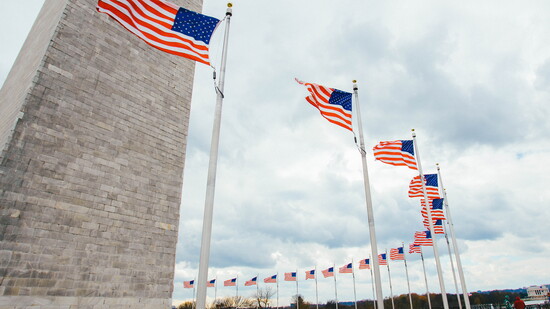
As Americans gather for backyard barbecues, beach parties, parades, and fireworks this July 4th, the nation marks a milestone unlike any other—the 250th anniversary of its founding.
On the global stage, America has become a powerhouse yet remains a relatively young nation. Over the past two and a half centuries, the country has built a legacy shaped by resilience, ambition, opportunity, innovation, and an enduring belief in liberty and self-governance.
While today we revere the Fourth of July as a joyful national birthday, it marks a profound moment in America's history. It's the day in 1776 when the 2nd Continental Congress formally adopted the Declaration of Independence, announcing our separation from Great Britain, and establishing a new nation. By early 1777, all 56 delegates had signed the historic document, which today remains preserved at the National Archives Museum in Washington, D.C.
Many Americans recognize the Declaration’s most famous lines, but a closer reading reveals America’s detailed complaints about foreign rule and its desire for independence. It was drafted, debated, and approved in less than a month.
The National Society Daughters of the American Revolution (NSDAR) continues to preserve and share that history through its commitment to historic preservation, education, and patriotism. The Americana Collection at DAR headquarters in Washington, D.C., includes signatures of all 56 signers of the Declaration of Independence which the public is invited to view. DAR’s preservation of these records allows researchers to confirm the authenticity and provenance of other documents so our country’s history is preserved and the memory of the Patriots who fought for American independence are honored.
Billie Remsa, DAR’s newly elected chapter regent of the Captain James Ormond Chapter, Ormond Beach, Florida, believes the Declaration of Independence remains meaningful reading to revisit throughout your lifetime.
“The stunning history of our country is both complex and fascinating,” Remsa said upon reflecting on America’s 250th anniversary. “Education is essential and curiosity is important. The Declaration of Independence and George Washington’s Farewell Address still offer timeless insight into the ideals and sacrifices our Founders endured and the determination that shaped us.”
While Florida was largely removed from the central battles of the war, it still felt the shifting influences of Britain and Spain. The area now known as Ormond Beach shares ties to that era through one of its earliest families.
Captain James Ormond was the captain and owner of the armed ship Somerset, whose route was the pirate-filled waters of the West Indies to Savannah and Apalachicola. He owned a sugar plantation in the Bahamas but sold it when Spain regained Florida from England and offered land grants to encourage settlement. He moved his family to Volusia County in 1790.
His first Florida plantation was in the Spruce Creek/New Smyrna area, but his Damietta property just north of present-day Ormond Beach spanned approximately 2,000 acres and produced sugar, cotton, and indigo. Upon his death, the family returned to Scotland. His son, James Ormond II, returned to America in 1820 to live near the Tomoka River where his family joined him in reestablishing the Ormond family in Florida. Decades later, the growing settlement was named Ormond in honor of the pioneering family.
This year also marks another significant local milestone as Daytona Beach celebrates its 150th anniversary, reminding us that the stories of communities and the nation often evolve side by side.
The 250th anniversary of America offers an opportunity not only to celebrate but also to reflect on the enduring words that helped define our nation’s founding spirit.
George Washington’s Enduring Example
George Washington remains one of the defining figures of early American history. A military leader, land surveyor, vast owner of real estate, and the nation’s first president, Washington emphasized unity, integrity, and civic responsibility throughout his public life.
It was at the dawn of that presidency that he defined the very nature of the new republic. In Washington’s First Inaugural Address, he stated America is an “experiment entrusted to the hands of the American people.”
After retiring from the presidency in 1797, he returned to Mount Vernon, his Virginia estate overlooking the Potomac River, where he spent his final years.
One of the sayings most often attributed to Washington remains relevant today: “Honesty is always the best policy.”
John Adams and America’s First Celebrations
Long before fireworks became a cherished 4th of July tradition, John Adams imagined the nation’s independence being celebrated with public gatherings and illuminations. In a 1776 letter to his wife, Abigail Adams, he envisioned future commemorations marked by “Pomp and Parade, with Shews, Games, Sports, Guns, Bells, Bonfires and Illuminations.”
Communities across the country continue that tradition each Independence Day—celebrating not only the nation’s founding, but also the shared history, ideals, and local stories that connect generations of Americans.
As principal author of the Declaration of Independence, Thomas Jefferson worked alongside the Committee of Five, including John Adams and Benjamin Franklin, to draft the document adopted by the 2nd Continental Congress July 4, 1776.