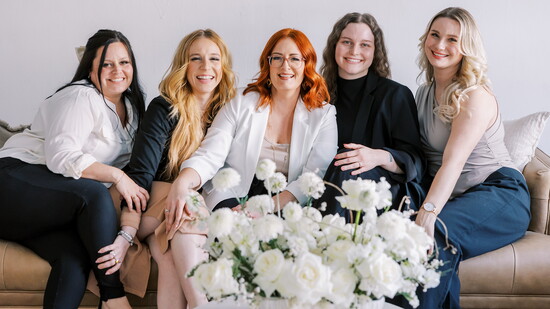
Planning a wedding today requires both vision and strategy. Couples want an event that feels elevated, personal, and unforgettable, but they also want to begin their marriage on solid financial ground. The key isn’t necessarily spending more. It’s spending intentionally.
When it comes to prioritizing your budget, three categories consistently deliver the biggest impact: entertainment, food and beverage, and florals.
Entertainment sets the tone for the entire evening. A truly exceptional band or DJ does far more than press play on a playlist. They manage the flow of the night, build energy at just the right moments, and know how to keep a dance floor packed. Guests may not remember the exact shade of your napkins, but they will remember whether they danced until the lights came on. Investing in high-quality entertainment ensures the celebration feels vibrant and alive from the first song to the final send-off.
Food and beverage is the heart of the guest experience. Hospitality is what transforms a wedding from a beautiful event into a meaningful one. Thoughtful menu selections, well-executed service, and a curated bar program create a sense of generosity and care. Whether it’s a multi-course plated dinner or elevated comfort food with a modern twist, this is where luxury meets authenticity. When guests feel well-fed and well-served, the entire evening feels polished.
Florals are what transform a venue into an environment. Strategic floral design can completely shift the aesthetic and emotional tone of a space. It’s not about filling every surface with arrangements. It’s about impactful placement and intentional design. A dramatic ceremony installation, lush reception centerpieces, or a thoughtfully styled head table can create visual cohesion and elevate the atmosphere instantly. When these three elements are done well, the wedding feels balanced, immersive, and high-end.
On the other hand, the smartest way to save money isn’t by cutting quality. It’s by cutting excess. The most powerful lever in any wedding budget is guest count. Every additional guest affects catering, rentals, linens, tables, chairs, invitations, and more. Reducing the list even slightly can create meaningful savings across multiple categories. A more intimate guest list allows couples to elevate the experience for the people who matter most rather than stretching the budget thin.
One common budgeting mistake couples make early in the planning process is becoming “venue poor.” It’s easy to fall in love with a breathtaking location and allocate the majority of the budget to secure it. However, if 70 to 80 percent of your budget goes toward the venue alone, you may find yourself compromising on photography, entertainment, and design. An elevated venue deserves elevated execution. The venue should complement your budget, not consume it. Balance is everything.
Timing also plays a strategic role in getting the best value from vendors. A planning window of 10 to 12 months is often ideal. Waiting longer does not necessarily mean saving money. Vendors typically price by calendar year, so booking two years in advance can actually lock in higher future pricing. Conversely, a very short engagement can limit your vendor options, especially for in-demand professionals who book quickly. Ten to twelve months offers enough time to plan thoughtfully without overpaying for a far-off date.
Flexibility with your wedding date can also create savings, particularly with venues. In Arizona, off-season months generally run from May through September, when rental rates may be reduced. Fridays, Sundays, and weekday weddings can offer additional discounts compared to peak Saturday dates. However, it’s important to note that many other vendors, such as photographers, planners, and entertainment professionals, maintain consistent pricing regardless of season or day. Date flexibility is most impactful when negotiating venue costs.
Budget expectations have shifted significantly in recent years. Five years ago, a higher-end wedding might have comfortably fallen between $60,000 and $80,000. Today, for a similar level of execution, couples should anticipate a range closer to $100,000 to $150,000, depending on guest count and design expectations. Catering, labor, rentals, and logistics have all increased due to inflation and post-pandemic demand. Couples aren’t necessarily adding more elements. The baseline cost of producing a luxury event has simply risen. Transparency around current pricing is essential to avoid disappointment later.
Staying on budget while creating a wedding that feels personal starts with clarity. Identify what matters most to you as a couple. Is it the energy on the dance floor? A five-star culinary experience? A breathtaking aesthetic? An intimate ceremony filled with meaningful details? Once you define your priorities, allocate more of your budget there and confidently scale back elsewhere. Not every category needs to be maximized. A wedding feels personal when it reflects your values, not when it checks every trend box.
It’s also important to anticipate hidden costs. Alterations for wedding attire are rarely included in the original purchase price and can add hundreds of dollars. Transportation can escalate quickly if venues and hotels are separate. Many hotels and resorts include service fees, taxes, and gratuities on top of catering quotes, significantly increasing final totals. Vendors may also charge late-night pickup or strike fees if teardown extends past contracted hours. Individually, these expenses may seem minor, but together they can shift a budget by thousands if not planned for early.
When considering long-term value, photography and videography are among the most worthwhile investments. The event itself is temporary. The images and films are what remain. They are what you will revisit on anniversaries and share with future generations. A strong creative team preserves your memories beautifully and authentically, allowing you to relive the emotion long after the last guest has left.
Ultimately, the best advice for couples who want a beautiful wedding without financial strain is simple: trim the guest list before trimming quality. A slightly smaller celebration can feel more elevated, more intentional, and more personal. A beautiful wedding is important, but beginning your marriage with confidence and financial stability is even more valuable. Thoughtful, strategic planning allows you to have both.
Katie Mustard
Cedar & Sage Weddings
Instagram: @cedarandsagewed
Katie Mustard is the Owner and Lead Planner of Cedar & Sage Weddings, bringing heart, strategy, and a calm presence to every celebration she touches. A rare Arizona native, she proudly believes our desert sunsets are the best in the world. Married for nearly 16 years and a mom to two, Katie understands the beauty and chaos of family life, which gives her a grounded, relatable approach to wedding planning. She even planned her own wedding in just three weeks. When she’s not designing unforgettable events, you’ll find her rewatching The Office, reading a good book, or planning her next adventure. Above all, her faith in Jesus fuels her purpose and passion.
“Spend intentionally, not excessively. Prioritize what guests feel and remember most.”