The University of Tennessee Beef and Forage Center will host its sixth annual Smoking School on July 16-17 at the UT Institute of Agriculture AgCampus in Knoxville. While the event is sold out, we asked the principal of the event, Kelly Vierck, Ph.D., assistant professor and Extension meat science specialist at the University of Tennessee, to share expert tips for selecting, grilling and smoking meat while saving money.
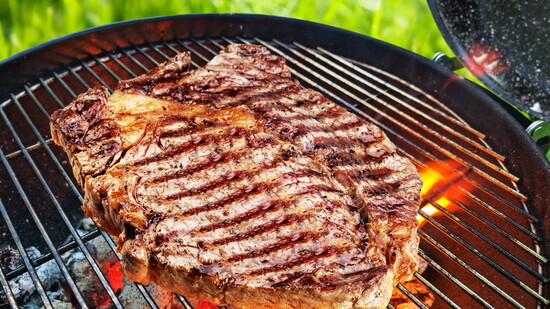
For tender, flavorful cuts, select steaks from the middle cuts of beef, such as the ribeye, tenderloin or strip loin steak. These cuts are from supportive muscles around the spine, rather than from muscles that move the animal, such as those in the shoulder or hindquarter. Supportive muscles, like these cuts, are tender, flavorful and easy to cook. They contain less connective tissue, smaller muscle fibers and more marbling, which is the kind of fat that brings flavor and juiciness to the party. Steaks like these should be cooked quickly over a grill at 350-500°F for 6-8 minutes per side.
Cuts from the hindquarter and chuck (shoulder) are locomotive and perform most animal movement, so they contain more connective tissue and larger muscle fibers, which contribute to tougher cuts. However, some budget-friendly options exist in the chuck, such as the chuck eye steak, Denver steak or the flat iron steak. These steaks offer more marbling than other chuck cuts, which helps improve flavor, tenderness and juiciness. The chuck eye steak, also known as the Delmonico steak, offers the flavor and marbling of a ribeye but is smaller in size and cut immediately prior to the traditional ribeye roll, which is cut into ribeye steaks. Cuts from locomotive muscles in the hindquarter and chuck perform better as roasts cooked low and slow on a smoker to allow for connective tissue to break down and become more tender.
A chuck arm roast, cubed and smoked, is also a great option for whipping up some burnt ends without the time, price tag or experience needed to smoke brisket. The marbling within an arm roast offers great flavor after smoking. To achieve the delicious bark similar to brisket burnt ends, season your roast with your desired seasoning blend and smoke it at 275°F until the internal temperature reaches 165°F. Hickory or mesquite will make great wood to complement beef. After it reaches 165°F, wrap the roast in butcher paper and smoke it until the roast reaches 195°F internally. Remove from heat and rest for 15 minutes, then cube the roast into about 2-inch cubes. Place the cubes in a foil pan and add 8 ounces of your favorite sweet BBQ sauce with ¼ cup of brown sugar. Cover with foil and return it to the smoker for two more hours. Add 2 tablespoons of brown sugar and an additional 4-8 ounces of BBQ sauce.
Heat through on the smoker and enjoy!