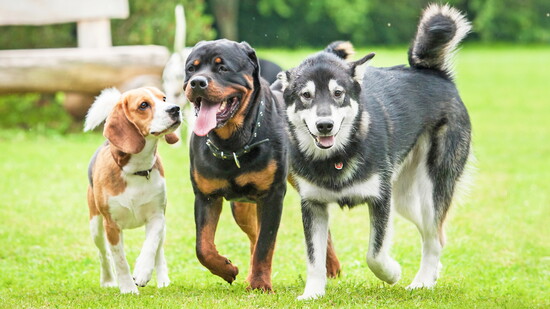
A dog's body language can speak volumes, but the message isn't always as straightforward as it seems. While many owners recognize obvious signals like a wagging tail or a growl, the quieter cues that come first are often missed.
Learning to recognize those signals not only strengthens the relationship between people and their pets but can also help prevent fear, anxiety, and unwanted behaviors from escalating. According to Jess Schneiderman, founder of Sadie's Rules K9 Training, understanding dogs begins with looking at the whole picture rather than relying on a single behavior. Here, she shares how to better interpret canine body language and respond in ways that help dogs feel safe, confident, and understood.
Dogs communicate constantly. What are some of the most important body language cues that owners should learn to recognize, and why are they often misunderstood?
Dog behavior is often misunderstood because it is not black-and-white. Owners should be familiar with their own dog, their body language, and hopefully, what it means. Having trained dogs for 10 years, I've learned to look at the dog as a whole and in the context of the situation. Typically, a dog that wags its tail and body and moves quickly towards a known person is eager and happy. However, if we take that same dog and change the context in which it meets someone new, the tail wag may still be there, but the dog may now lower its body and approach more slowly. Essentially, knowing your own dog, understanding their patterns, and learning to advocate for them will serve owners well.
Fear and stress can look different from one dog to another. What subtle signs do dogs commonly display before their discomfort escalates into more obvious behaviors?
I think the most overlooked sign of stress or fear in dogs is them moving away from a stressor. I see this time and again with dogs and kids. Kids often stress dogs, prompting them to try to move away as a coping mechanism. When dogs are hugged, chased, etc., and then react with a more serious response, the dog is blamed. Movement away from a stressor precedes the growl, the raised lip, and the bite. And it is missed repeatedly.
Many pet owners assume a dog with a wagging tail is always a happy one. What are some common misconceptions about the signals pets use to express happiness and contentment?
We often like seeing excited dogs -- tails wagging, mouths open, tongues out, jumping -- because we assume those signs mean the dog is happy. As a trainer, I see those behaviors only as arousal. On the flip side, most people see a calm dog as sad, when in fact that dog is likely happy and content.
Because animals instinctively hide discomfort, what body language changes might indicate that a pet is experiencing pain, even if they seem otherwise normal?
I think knowing your dog and its patterns is most important. It can be something as simple as your dog avoiding going up or down a couple of stairs, skipping meals, or just being a bit less active. If we pay attention to our dogs, they are always communicating with us.
How can owners tell the difference between a pet that is excited and engaged versus one that is becoming overstimulated and needs a break?
Excited and engaged dogs can listen and turn off their excitement when asked. Dogs that are overstimulated and/or may need a break are those that are unable to follow commands, may become mouthy during play (increased use of their voice or teeth), or are literally acting grumpy (towards their owners or other dogs).
If a pet is showing signs of fear, stress, pain, or overstimulation, what are the best ways for owners to respond in the moment to help their animal feel safe and supported?
I coach my clients to give their dogs guidance. Rather than leaving the dog to try and figure out what they should be doing when they are stressed, fearful, or overstimulated, give them direction (i.e., lie down, go to a place). Our world can easily be overwhelming for a dog; giving them guidance makes it less so.
Additional information you’d like readers to know:
My name is Jess, and I help dogs live their best lives with their families.
Sadie's Rules K9 Training
365 Truslows Lane
Nellysford, VA 22958
434-993-8208, SadiesRulesK9Training.com