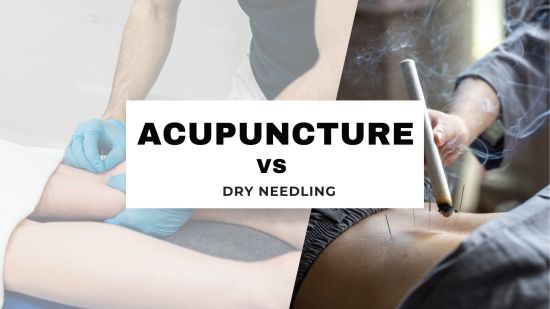
At first glance, dry needling and acupuncture can look nearly identical—both use thin, stainless steel needles inserted into the body to relieve pain. But beneath the surface, these two practices are rooted in entirely different medical philosophies, levels of training, and approaches to healing.
As interest in natural and integrative therapies grows, understanding the distinction between these two modalities is more important than ever.
Acupuncture is a pillar of Traditional Chinese Medicine (TCM), with a history spanning more than 2,000 years. It is based on the concept of Qi (vital energy) flowing through channels, or meridians, in the body. When this flow is disrupted, symptoms and disease may arise. Acupuncture seeks to restore harmony, not just relieve symptoms.
In contrast, dry needling is a modern Western technique developed in the late 20th century. It focuses specifically on trigger points—tight bands of muscle thought to cause pain and dysfunction. Its framework is biomedical, not energetic, and it is typically used in orthopedic and sports medicine settings.
What many patients don’t realize is that dry needling is, in fact, derived from a small subset of acupuncture techniques, often referred to as orthopedic or trigger point needling within the acupuncture profession.
However, when performed by a licensed acupuncturist, this style of needling is not used in isolation. It is integrated into a broader diagnostic system rooted in TCM principles—taking into account the whole body, including digestion, sleep, stress levels, and overall constitutional health.
This distinction matters.
A trained acupuncturist does not simply “needle a knot.” They assess why that knot developed in the first place and treat both the symptom and its underlying cause. This comprehensive approach is designed not only to relieve pain but also to prevent recurrence and reduce the likelihood of secondary imbalances.
Classical acupuncture texts emphasize that improper or overly aggressive treatment can disrupt the body’s internal balance, potentially leading to new symptoms. By incorporating meridian theory, point selection strategies, and systemic diagnosis, acupuncture aims to minimize these risks while enhancing therapeutic outcomes.
One of the most significant differences between dry needling and acupuncture lies in the level of training required.
Acupuncturists
Licensed acupuncturists complete:
3–4 years of graduate-level education
Thousands of hours of clinical training
National board examinations
Ongoing continuing education
Their training includes not only needling techniques, but also Eastern medical theory, anatomy, physiology, and safety protocols.
Dry Needling Practitioners
Dry needling is often performed by:
Physical therapists
Chiropractors
Medical doctors
Training requirements vary widely and may include:
Short certification courses (sometimes as little as a weekend)
Limited hands-on clinical hours specific to needling
Because there is no universal standardization, both skill level and safety can vary significantly.
Benefits: Symptom Relief vs. Systemic Healing
Acupuncture
Acupuncture is used to address a wide range of conditions, including:
Chronic pain
Hormonal imbalances
Digestive disorders
Stress and anxiety
Women’s health concerns
Its effects are systemic, often influencing:
Nervous system regulation
Circulation
Inflammation
Hormonal balance
It is also commonly used as a preventative therapy, supporting long-term wellness.
Dry Needling
Dry needling is primarily used for:
Muscle tension
Sports injuries
Trigger point pain
It can be effective for short-term relief and improving range of motion, particularly when combined with physical therapy. However, it does not typically address broader systemic patterns contributing to dysfunction.
Risks and Safety
Both acupuncture and dry needling use similar tools, but safety outcomes are closely tied to training and approach.
Acupuncture
When performed by a licensed acupuncturist, acupuncture is considered very safe. Side effects are typically mild and may include:
Slight bruising
Temporary soreness
Minor bleeding
Serious complications are rare due to extensive training and regulated standards.
Dry Needling
Dry needling carries similar minor risks, such as soreness and bruising, but there is a higher variability in safety outcomes due to inconsistent training.
Reported risks include:
Nerve irritation
Infection
Pneumothorax (collapsed lung) in rare cases
Additionally, from a Traditional Chinese Medicine perspective, treating symptoms without addressing underlying imbalance may contribute to the development of new or lingering conditions over time.
While dry needling and acupuncture may appear similar, they represent two very different levels of medical depth.
Dry needling offers a focused, symptom-based approach rooted in modern musculoskeletal care.
Acupuncture provides a comprehensive system of medicine that addresses both the root cause and the manifestation of disease.
Perhaps the most important distinction is this:
Acupuncture doesn’t just ask “Where does it hurt?”—it asks “Why is this happening?”
For patients seeking not only relief, but lasting change and whole-body health, that difference can be transformative.