Date: September 1, 2026
When your home starts feeling warmer than it should, your AC is telling you something. The good news? Catching small issues early keeps your system running right and saves you real money down the road. This guide walks you through what to watch for, what you can check yourself, and when it's time to bring in the pros.
Why Early AC Repair Matters in Las Vegas
Vegas summers are intense—heat waves regularly hit 110+ degrees, and desert dust clogs coils fast. A small repair caught early beats a major breakdown when you need cooling most. Plus, you'll keep your energy bills in check and get years more out of your system.
Here's what early action gets you:
Comfort when it counts - Your AC stays cool and steady through the heat
Real savings - A small repair now beats a major one down the road
A system that lasts - Clean coils and proper refrigerant mean less strain on every part
Warranty protection - Manufacturers want to see maintenance records
Sign 1: AC Is Blowing Warm or Weak Air
Your vents should pump out cool, steady air. If you're getting warm breeze or a weak trickle, something's choking your system.
Common culprits:
Clogged air filter (super common, super easy to fix)
Dirty outdoor coil (desert dust strikes again)
Low refrigerant from a slow leak
Failing blower motor
Ductwork leaking or blocked
In our desert climate, dusty coils are the #1 efficiency killer—they can cut your cooling by 15-20% and jack up your electric bill to match.
Here's what you can check right now:
Clear those vents — Make sure furniture, rugs, or curtains aren't blocking return vents. Your AC needs to breathe.
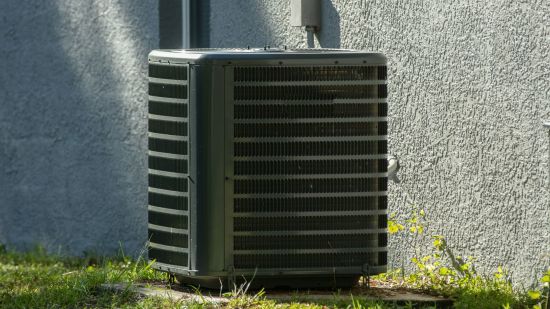
Listen to the outdoor unit — Step outside and listen to the condenser. Loud rattles, grinding, or that rapid on-off pattern (short cycling) tells you something needs attention.
Feel the refrigerant lines — If you can safely see them, the bigger line should feel cold and the smaller one warm. Both feel the same? That's a sign refrigerant is running low.
Sign 2: New Noises or Odd Smells
Your AC will hum along quietly. If it starts grinding, screeching, rattling, or thumping, something's off. Same goes for strange smells—your nose is picking up on real issues.
What sounds are telling you:
Grinding or squealing - Worn blower wheel, shot bearings, or loose motor mounts
Electrical buzzing - Capacitor or contactor on the way out
Rattling - Something's come loose and vibrating
Thump when it starts — Motor or compressor out of balance
Smell breakdown:
Musty or moldy - Clogged drain line (happens a lot in Vegas when dust meets moisture)
Burning plastic - Electrical problem; turn it off and call for help
Rotten egg smell - Something serious; shut it down and get a pro involved
Right now, do this:
If you hear grinding or smell burning, turn the system off.
Check the drain area near your indoor unit for standing water or overflow.
Pay attention to when the noise happens, just at startup, all the time, or only when it shuts off. That detail helps narrow down what's going on.
Sign 3: Short Cycling or Running Nonstop
Short cycling means your AC turns on and off rapidly without doing a full cooling run. Running nonstop means it can't reach the temperature you set. Both wear your system down and run up your bill.
Why it happens:
Dirty coil (dust strikes again)
Low refrigerant
Blocked or leaky ductwork
Thermostat acting up after a power surge
System oversized or undersized for your space
Quick checks you can try:
Make sure your thermostat is set to cool and the target temp is lower than the actual room temperature.
If it runs on batteries, swap in fresh ones.
Clear the outdoor unit—make sure there's no debris within a couple feet.
Check that all your supply and return vents are open and nothing's blocking them.
Sign 4: Higher Energy Bills Without a Heat Wave
Your bill naturally goes up in July and August. But if you're seeing a jump without hotter weather or longer runtimes, your AC is working too hard.
Common culprits:
Dusty coil forcing the compressor to work overtime
Low refrigerant losing efficiency
Blower running slow or weak
Failing capacitor or motor
Thermostat reading wrong and triggering the system incorrectly
Why this matters: That extra strain ages your system fast. Catch it now and a tune-up pays for itself in savings.
Spring tune-ups are your best bet here. Catch it before July heat arrives, and you'll run efficiently all summer.
Sign 5: Leaks, Ice, or a Thermostat That Won't Cooperate
Puddles near the air handler, frost on the refrigerant lines, or a thermostat reading that doesn't match the actual room temperature are clear red flags.
Ice formation happens when airflow is restricted or refrigerant is low. The evaporator coil gets too cold and moisture freezes on it. This reduces cooling and can damage the compressor.
Water leaks usually mean a clogged or disconnected condensate drain line, or a drain pan that's out of pitch.
Thermostat problems can force your system to short cycle or overshoot the set point, wasting energy and wearing out components.
Immediate steps if you notice these issues:
If you see ice: Turn off cooling immediately (this prevents compressor damage), switch the fan to On to help thaw the coils, and call for service. Do not restart cooling until it's diagnosed.
If you see water: Place a towel under active drips to protect floors, then call for service. A clogged drain can lead to indoor unit damage.
If thermostat won't behave: Check the batteries, ensure it's set to cool, and verify it's not in a draft or direct sunlight (which throws off the temperature reading).
Why Regular Maintenance Prevents Breakdowns
The single cheapest way to protect your comfort is preventive maintenance. A spring tune-up before cooling season catches problems early, improves efficiency, and extends system life.
What a comprehensive cooling tune-up includes:
Filter replacement
Outdoor coil cleaning and inspection
Blower motor and fan inspection
Refrigerant charge and performance verification
Electrical connections and safety circuit testing
Thermostat calibration and programming review
System airflow and ductwork assessment
Benefits you'll see:
Steadier indoor temperatures
10-15% better energy efficiency (real savings on bills)
Fewer surprise breakdowns and emergency calls
Documented maintenance records for warranty coverage
Earlier detection of wear before failure
Repair vs. Replace: How We Help You Decide
Sometimes repair is the clear winner. Other times, replacement saves money long term. Here is how we guide you without pressure:
Safety first: If a component is unsafe or repeatedly failing, we tell you.
Age and efficiency: Older units can cost more to run than to finance a new, efficient system.
Repair history: Frequent service calls hint that replacement may be smarter.
Parts availability: If critical parts are discontinued, we will show you alternatives..
When to Call a Professional
While you can handle filter changes and basic checks, some repairs require licensed technicians with specialized tools:
Any refrigerant work (requires EPA certification)
Electrical component replacement
Compressor or motor issues
Ductwork sealing or modifications
Coil cleaning that requires chemicals
Safety inspections and tests
Ready to Protect Your Home?
Spot any of these warning signs: weak cooling, weird noises, leaks, or a bill jump? Spring is the perfect time to tackle it. Schedule a tune-up in April or May before the rush, and you'll catch small issues before heat season hits full force.
Here's our approach: We diagnose first and show you what we find. Here are your options, we'll walk you through each one so you can decide what works best for your home. No pressure, no sales pitch, just straightforward advice from someone who's been doing this for 30+ years.
We're here when you need us. Call Sierra Air Conditioning & Plumbing at (702) 380-7055 or visit sierracoolslv.com to book your spring tune-up. Same-day appointments available, plus 24/7 support if something goes wrong. Service That Soars Above the Rest, we mean it.
Frequently Asked Questions
How fast can you get here if my AC stops cooling? We offer 24/7 service with a real person answering. Most shops provide same-day response for cooling emergencies. Worth asking what their typical wait time is.
Do I need maintenance every year? Yep. A spring tune-up before cooling season catches small stuff before it becomes big stuff, and keeps your system running at its best. Many folks also get a fall heating tune-up to prepare for winter. The tune-up cost usually pays for itself in lower energy bills over the summer.
Can I fix my AC myself? You can handle filter changes, clear vents, and check basic things like thermostat batteries. But anything involving refrigerant, electrical components, or the compressor? That's a licensed tech job. DIY mistakes there can damage your system or create safety issues.
Will a tune-up really save me money? A clean coil and proper refrigerant charge improve efficiency by 10-15%, which translates to real savings on your summer bills. So yes — the tune-up cost usually pays for itself.
How much does AC repair cost in Las Vegas? It depends on what's wrong. Small fixes like a filter or capacitor are usually affordable. Larger repairs like a compressor replacement cost more, but that's exactly why early maintenance and catching issues before they blow up is so valuable.