When people hear “high blood pressure,” they often think medication first. But what we eat every day can have a surprisingly powerful effect on blood pressure—and, in turn, on the health of our heart and kidneys.
One of the best places to start is sodium. For most adults, a good goal is to stay below 2,300 mg of sodium per day—about the amount of sodium in one teaspoon of table salt. If you have high blood pressure, your healthcare provider may recommend an even lower goal.
Most of the sodium we eat doesn’t actually come from the salt shaker. It hides in packaged and restaurant foods: deli meats, canned soups, sauces, frozen meals, chips, fast food, and even foods that don’t taste particularly salty.
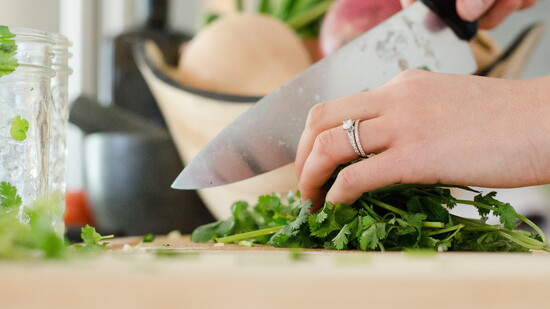
Instead of focusing only on using less salt, try eating more foods that naturally contain very little sodium. Build meals around fresh vegetables and fruits, whole grains, beans, nuts, fish, and other minimally processed foods. Cooking at home also gives you much more control over how much sodium goes into your food.
And start reading nutrition labels. Look for “Sodium” on the Nutrition Facts panel and, importantly, check the serving size. If a package contains two servings and you eat the entire package, you are getting twice the sodium listed on the label.
As a quick guide, 5% Daily Value (DV) or less of sodium per serving is considered low, while 20% DV or more is considered high. Compare similar products—you may be surprised by how different they are.
Healthy eating doesn’t have to be perfect. Cook at home a little more often, choose fresh foods when you can, read labels, and make one healthier swap at a time.
Small choices made consistently can help lower your blood pressure and protect both your heart and kidneys.
Become a Sodium Detective
When reading a food label, check three things:
- Serving size: How much are you actually eating?
- Sodium: Look at the milligrams (mg) per serving.
- % Daily Value: 5% DV or less is low; 20% DV or more is high.
Aim for less than 2,300 mg of sodium per day.