Fifty percent of the American workforce is comprised of women, according to the U.S. Department of Labor, and just when most of us are coming into our best working years in terms of expertise, power, and confidence, we are also faced with a biologically and neurologically transformative time: menopause. Up until recently, menopause was not commonly discussed. Women were expected to face it and deal with the side effects alone and silently.
Burnout from the strongest and most skilled female employees in a company was a frequent result of silence and misunderstanding—a costly detriment for any organization to face.
Luckily, things are changing. Reno resident and co-founder of MenoPalz, Debbie McCarthy, is dedicated to improving the way we address menopause. It’s a unique workplace readiness initiative designed to help organizations proactively support menopause and midlife transitions.
“As a woman in my late 60s navigating post-menopause myself, I became increasingly aware of how little menopause is openly discussed, even though it affects so many women both personally and professionally,” McCarthy says.
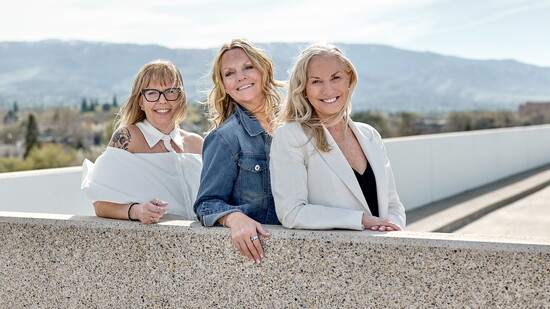
She, along with co-founder Raquel Riggle, Marianne Krammes, and Angela Hummel are upending the narrative about menopause and the way organizations support their greatest assets— their people.
“Menopause is not simply a hormonal inconvenience—it is a neurological and physiological transition. When women understand that these changes are biological and temporary—not personal failures—it removes shame. And when workplaces understand this, they begin responding with informed leadership instead of silent assumptions. Education replaces fear. Awareness restores confidence,” says Riggle.
The organizational cost of losing seasoned experts in any field and having to post a job ad, interview candidates, and train a new employee is expensive.
Hummel, the HR voice and workplace strategist for MenoPalz, explains the financial impact. “A 2023 Mayo Clinic study estimated that menopause symptoms cost U.S. businesses approximately $1.8 billion annually in lost work time, with total costs exceeding $26 billion when medical expenses are included. Research from the U.K. found that one in ten women left their jobs due to menopause symptoms,” she says.
“When menopause is unsupported, it can show up as sleep disruption, cognitive strain, stress sensitivity, absenteeism, and quiet disengagement. This is not a niche issue. It is a workforce sustainability issue. When organizations equip leaders with understanding and practical tools, they protect institutional knowledge, strengthen engagement, and reduce preventable turnover,” Krammes adds.
“When we replace silence with strategy, everyone rises,” Riggle says.
Menopause has an exponential impact on communities. It’s humanity’s issue, not just a woman’s issue.
“As a Reno-based business leader and co-founder, I believe our community has an opportunity to lead this national conversation with both compassion and strategy,” says Debbie McCarthy. “Menopausal and perimenopausal women are not fading. They are evolving. And when we acknowledge that openly, everything changes.”
Menopause didn’t stop McCarthy, who continues to be a powerhouse in the community, but she could have been better supported. She now gives others the resources she didn’t have. “Looking back, I didn’t realize I was navigating menopause while building businesses and leading in Reno. I just kept moving forward. Understanding what was happening would have changed how I viewed myself during that season,” she says.
Understanding builds confidence, support prevents burnout and turnover, and when women are lifted, money follows, businesses win, and humanity benefits.
It all starts with conversation.
“For me, MenoPalz represents a natural continuation of the work I’ve always loved— connecting people, elevating meaningful conversations, and helping build a stronger, more supportive community for women at every stage of life,” McCarthy says.