November is Native American Heritage Month, offering a meaningful opportunity to explore the Indigenous history preserved across Georgia. From ancient ceremonial mounds to the former capital of the Cherokee Nation, Georgia State Parks & Historic Sites connects visitors with the people, places and cultures that shaped the state long before its founding.
Here are five sites where visitors can learn more:
Etowah Indian Mounds State Historic Site – Located in Cartersville, Etowah was home to several thousand Native Americans between approximately 1000 and 1550. One of the Southeast’s most intact Mississippian cultural sites, it protects six earthen mounds, a plaza, village area, borrow pits and a defensive ditch. Visitors can climb the tallest mound, explore museum exhibits and follow a nature trail along the Etowah River. GaStateParks.org/EtowahIndianMounds
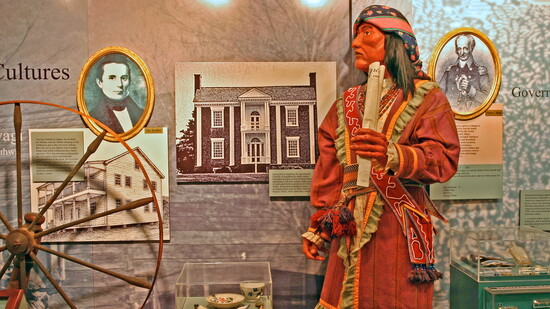
New Echota State Historic Site – Established as the Cherokee Nation’s capital in 1825, New Echota became a center of Cherokee government, commerce and culture. It was home to the first newspaper published in a Native American language and was also where the Cherokee removal known as the Trail of Tears officially began. Visitors can explore original and reconstructed buildings, including the Council House, Supreme Courthouse and print shop.
Chief Vann House State Historic Site – Built in 1804 by Cherokee leader and businessman James Vann, this two-and-a-half-story brick mansion was once known as the “Showplace of the Cherokee Nation.” Guided tours showcase its hand carvings, cantilevered staircase, antiques and colorful interior. The grounds also include a 19th-century Cherokee farmstead, seasonal gardens and the former site of the Springplace Moravian Mission.
Kolomoki Mounds State Park – This southwest Georgia park preserves sacred ground shaped by an Indigenous community that thrived in the Lower Chattahoochee River Valley nearly 2,000 years ago. Visitors can walk among seven preserved earthen mounds and tour a museum built around an excavated mound. The park also offers hiking, camping, fishing and paddling.
Fort Mountain State Park – Along the summit of Fort Mountain are remnants of a mysterious, 855-foot-long stone wall. Its exact origins and purpose remain unknown, although it is thought to have been constructed by early Indigenous people, possibly for ceremonial or defensive purposes. Visitors can encounter the wall while hiking to the park’s historic stone fire tower and scenic overlooks.
Together, these destinations reveal different chapters of Georgia’s Indigenous history, from ancient communities and ceremonial landscapes, and offer timely story opportunities centered on cultural preservation, archaeology, education and respectful travel.
Happy exploring!
Established as the Cherokee Nation’s capital in 1825, New Echota became a center of Cherokee government, commerce and culture.