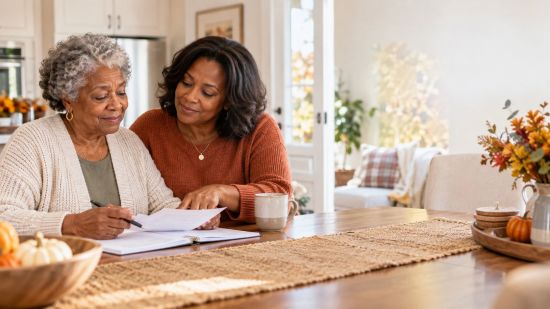
Fire safety for seniors deserves special attention during fall, when heaters, candles and holiday cooking begin returning to daily routines. For families in Smyrna, Vinings and surrounding South Cobb communities, a few practical checks can reduce common risks and make it easier for an older adult to respond if something goes wrong.
Fire Prevention Week, October 4–10, is a useful reminder to walk through the home together. The goal is not to frighten or criticize. It is to notice small problems before they become emergencies.
Why fire safety for seniors requires a closer look
Changes in hearing, vision, balance, mobility or memory can affect how quickly a person notices smoke and leaves the home. Some older adults also live alone, use medical equipment or take medications that can cause drowsiness. A plan should reflect the person’s real routines and abilities.
1. Test every smoke and carbon-monoxide alarm
Press the test button on every alarm and replace batteries according to the manufacturer’s directions. Make sure alarms can be heard from the bedroom with the door closed. If hearing is limited, ask the fire department or an appropriate professional about alerting devices that use flashing lights or vibration.
2. Clear the most-used walking routes
Keep the path from the bedroom to an exit free of cords, loose rugs, boxes and small furniture. An emergency is not the time to navigate clutter in the dark. Place sturdy shoes, eyeglasses and a flashlight within easy reach of the bed.
3. Review cooking habits
Cooking is a common source of residential fires. Encourage your loved one to stay in the kitchen while food is heating, keep towels and paper away from burners, and turn pot handles inward. If pans are often forgotten or scorched, discuss safer routines and whether meal-preparation support would help.
4. Inspect heaters, fireplaces and electrical cords
Give space heaters several feet of clearance and plug them directly into a wall outlet. Do not run cords beneath rugs or use damaged extension cords. Have fireplaces, furnaces and chimneys serviced by qualified professionals when appropriate.
5. Make exits easy to use
Doors and windows should open without unusual strength. Keep keys accessible without hiding them outdoors. If a walker or wheelchair is used, confirm that at least one exit route is wide and clear enough.
6. Write down an escape and check-in plan
Choose two ways out when possible and agree on a safe outdoor meeting place. Decide who will call after an alarm or neighborhood evacuation. For families spread across metro Atlanta, identify a nearby relative, neighbor or friend who can reach the home.
7. Keep emergency information visible
Post the home address, emergency contacts, medication list and important medical information where first responders can find it. Keep a paper copy even when the information is stored in a phone.
Talk about safety without taking over
Start with a shared purpose: “I want us both to know what to do if the alarm sounds.” Ask what concerns your parent and make changes together. Respect makes a safety conversation more productive.
Frequently asked questions about fire safety for seniors
How often should smoke alarms be tested?
Follow the manufacturer’s directions and test alarms regularly. Replace alarms when they reach the end of their stated service life.
Should an older adult try to fight a small fire?
The safest priority is to leave the home and call 911 from outside. A fire can grow rapidly, and personal safety comes first.
Can a non-medical caregiver help with fire safety?
A caregiver can help keep walkways clear, support meal routines, provide reminders and help families notice changes. Installation, electrical work and professional inspections should be handled by qualified providers.
Families throughout Smyrna, Vinings, Mableton, Austell and Powder Springs can use this list as a starting point for a calm fall safety check.
Seniors Helping Seniors® Atlanta Southwest also serves families in Smyrna, Vinings, Mableton, Austell, Powder Springs and surrounding South Cobb communities.
Seniors Helping Seniors® Atlanta Southwest provides non-medical in-home care for older adults throughout South Fulton County and surrounding communities. We help families find practical ways to support safety, connection and independence at home. Call us at (404) 793-0677 or visit SHSAtlantaSouthwest.com