Pieces of Conejo Valley's past are preserved in the area’s historical landmarks, providing a picture of its rich history. Chumash Indians, Spanish ranchers and explorers from other lands seeking a new life all made their mark while shaping the area’s architecture and layout.
Take a self-driving tour shared by the Conejo Valley Historical Society (https://stagecoachinnmuseum.com/activities/2020/9/26/historical-landmarks-driving-tour-of-conejo-valley) to view the numerous historical sites that provide a window into the region’s past. A few highlights include the Stagecoach Inn Museum, the Crowley House, and Reyes Adobe.
The Stagecoach Inn Museum
51 S. Ventu Park Road
Newbury Park
1975 – Placed on the National Registry of Historic Places and State Landmark #659
1976 – County Landmark #30
1997 – City Landmark #1
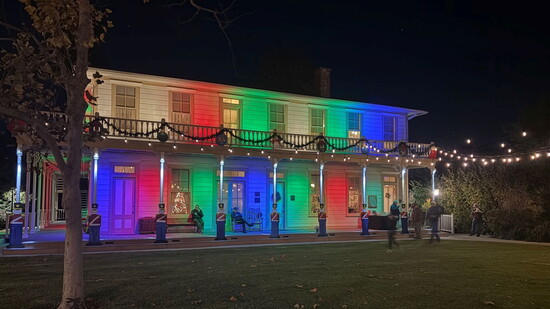
The Stagecoach Inn Museum celebrated its 150-year anniversary in January. Originally built in 1876 as the Grand Union Hotel, the Stagecoach Inn Museum offers a glimpse into the area’s historical roots.
The two-story redwood structure with a wraparound porch and second-floor balcony reflects the architectural style of Monterey in Northern California, from where owner James Hammell sourced the best redwood to construct the original building. When the hotel opened on July 4, 1876, visitors used oil lamps for lights, fireplaces for heat and lived without indoor plumbing or running water. Rebuilt in its original style after a fire in 1970, the Stagecoach Inn depicts Conejo Valley’s heritage with exhibits and events that retell times past.
Owned by the Conejo Recreation and Park District and managed by the Conejo Valley Historical Society, the museum’s grounds include the hotel, a Chumash village, a Spanish adobe, a replica of Timber School, a blacksmith shop, a carriage house and more. StagecoachInnMuseum.com
The Crowley House
2224 Pleasant Way
Thousand Oaks
1986 – County Landmark #109
1997 – City Landmark #7
Nicknamed “Mother of Thousand Oaks” in the 1920s when it became a real estate office for Conejo Valley’s first housing development, the Crowley House was built in 1910 for Frank and Mae Casey Crowley. Later owned by Louis and Kathleen Goebel, who owned Jungleland, the home still retains some of its original glory, including hardwood floors, mahogany beams and a volcanic rock fireplace. Now used for public programming, the property belongs to the Conejo Recreation and Park District.
Pederson Ranch House
Regent Avenue and Faculty Street
California Lutheran University
Thousand Oaks
1978 – County Landmark #45
1997 – City Landmark #3
Originally built in 1913 for Norwegian immigrants Lars and Karen Pederson, this home depicts a turn-of-the-century farmhouse and water tower. Now owned by California Lutheran University, the restored buildings serve as offices.
Reyes Adobe Historical Site
30400 Rainbow Crest Drive
Agoura Hills
Built in 1850 by Jose Jacinto Reyes, the son of Portola expeditioner Juan Francisco Reyes, Reyes Adobe serves as a cultural landmark in the area. Visitors to the historic site will gain an understanding about the era’s social, political and economic climate at the on-site interpretative center and museum.
Many thanks to the Conejo Valley Historical Society for information and photos in this article.
Rebuilt in its original style after a fire in 1970, the Stagecoach Inn depicts Conejo Valley’s heritage.