Nestled in Montana's Mission Valley, the Flathead Indian Reservation is far more than a place of breathtaking mountains, rivers, and wildlife. It is home to the Confederated Salish, Pend d'Oreille, and Kootenai Tribes, where culture, history, and tradition remain vibrant through education, storytelling, and community celebrations that connect generations.
One of the cornerstones of cultural preservation is the Three Chiefs Culture Center in Pablo. More than a museum, the center serves as a living cultural hub where visitors experience Indigenous history through exhibits, storytelling, traditional arts, demonstrations, and performances. The center preserves priceless historical collections while ensuring that traditional knowledge is actively shared with future generations.
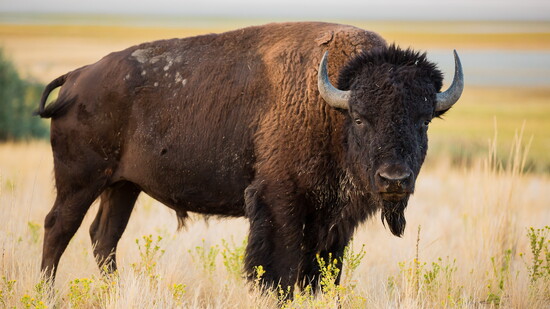
The connection between culture and the land is equally evident at the National Bison Range in Charlo. Spanning more than 18,000 acres, the range protects approximately 350 bison along with elk, bears, birds, and other native wildlife. For Indigenous communities, the American bison represents resilience, strength, and a deep spiritual connection to the land. As visitors travel the scenic drives overlooking the Mission Mountains, they gain a greater appreciation for landscapes that have sustained Native peoples for centuries.
While museums and conservation areas preserve history, culture truly lives through the people who continue practicing and teaching their traditions.
For Robert Parot Jr., whose Kootenai name means Island, hoop dancing is much more than entertainment. It is a lifelong commitment to sharing Indigenous teachings and inspiring future generations. Raised with strong ties to the Flathead Indian Reservation through his Salish, Kootenai, Pend d'Oreille, Seneca, and multigenerational family heritage, Robert credits his upbringing—learning traditional fishing areas, working on his family's ranch, and respecting the land—for shaping his cultural identity.
"Hoop dancing is a celebration of life in the Native culture," Robert explains. Each movement represents the interconnectedness of animals, plants, the earth, the sun, the moon, and the stars. As one of relatively few active hoop dancers, he hopes more young people will embrace the tradition. "I would like to see that number go up," he says.
Through performances at schools, the Ninepipes Museum, and hoop-making workshops, Robert teaches children that every hoop tells a story. Beginning with a single hoop representing an individual, additional hoops transform into birds, butterflies, snakes, horses, eagles, and other elements of the natural world. His greatest hope is that audiences recognize Indigenous culture as a living tradition. "I want them to see the beauty of our culture and realize that we have a place here; our culture isn't dead; we are not living in the past; we are currently making history as we go through life."
That same commitment to preserving culture begins with the youngest members of the community through programs like Tiny Tot Princess.
“Being a Tiny Tot Princess is so much more than wearing a crown,” says Catherine Baylor. “She's one of the youngest ambassadors for our people, our culture, and our community."
During her reign, Catherine’s daughter, Kenna, attended 35 powwows and community events, learning directly from elders, dancers, and cultural leaders. The program teaches children the importance of kindness, humility, respect, and service while strengthening their connection to their heritage.
For Kenna, who has Down syndrome, her journey also became a powerful message of inclusion. Baylor recalls that Kenna "left her tiny fingerprints all over Indian Country," inspiring families to bring children with disabilities into powwows and cultural celebrations, demonstrating that every child belongs within the traditions of their community.
Community events such as the Arlee Celebration Powwow, the Standing Arrow Powwow, and Cultural Days bring together tribal members, families, and visitors to celebrate traditional dancing, drumming, singing, regalia, language, and storytelling. These gatherings provide opportunities for elders to pass on knowledge, for youth to strengthen their cultural identity, and for visitors to experience the rich traditions of the Confederated Salish and Kootenai Tribes firsthand.
The future of the Flathead Indian Reservation's cultural heritage depends on continuing to share stories, traditions, and values with the next generation. Through these cultural centers, programs, community gatherings, and active ambassadors like Robert, the traditions of the Salish, Pend d'Oreille, and Kootenai peoples continue to thrive.
Follow J.R. Parot on YouTube and Facebook, or Catherine Baylor on Facebook and Instagram. You can also follow Kenna's journey on TikTok at @tinytotkenna
Our culture isn't dead; we are not living in the past; we are currently making history as we go through life.