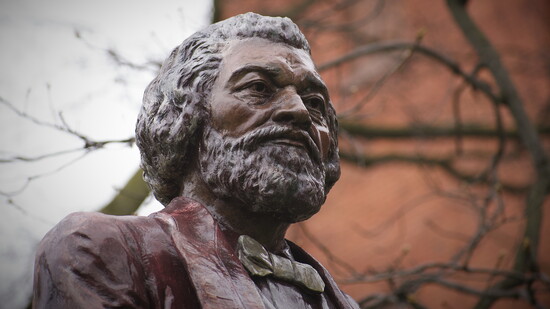
February carries a weight far greater than its 28 days. Black History Month, first established in 1926 as Negro History Week by historian Carter G. Woodson, was intentionally placed in February to honor the birthdays of Abraham Lincoln and Frederick Douglass, two figures central to the abolition of slavery. What began as a weeklong observance evolved into a national tradition. In 1976, President Gerald Ford urged Americans to “seize the opportunity to honor the too-often neglected accomplishments of Black Americans in every area of endeavor throughout our history,” and Congress formally designated February as National Black (Afro-American) History Month in 1986. Every president since has continued to recognize the month, affirming its enduring significance.
At its heart, Black History Month celebrates resilience, courage, and visionary leadership. Figures like Dr. Martin Luther King Jr. reshaped the moral conscience of the nation through nonviolent protest, while Rosa Parks’ quiet yet transformative act on a Montgomery bus in 1955 catalyzed the civil rights movement. Historians note that countless other pioneers—educators, activists, and community leaders—played essential roles in advancing civil rights and equity, reminding us that history is shaped by both celebrated figures and the everyday actions of ordinary people striving for justice.
Black entrepreneurs also transformed the economic landscape. Madam C.J. Walker, born Sarah Breedlove to formerly enslaved parents, is widely recognized as the first self-made female African American millionaire in the U.S., building a successful haircare empire while empowering thousands of women as sales agents and philanthropists. Later, Reginald F. Lewis became the first African American to build a billion-dollar company in the 1980s through leveraged buyouts, while Robert “Bob” Johnson, founder of Black Entertainment Television, became the first Black billionaire in the 21st century after selling BET to Viacom. These trailblazers demonstrate that Black history encompasses both social justice and economic achievement, illustrating diverse paths to influence and prosperity.
Cobb County residents can engage with this rich legacy through a variety of local institutions. Marietta’s Black Heritage Walking Tour, a 1.9-mile self-guided route, highlights key sites such as the Old Zion Baptist Church, Lemon Street Elementary, and the United States Colored Troops section of Marietta National Cemetery, connecting visitors with the enduring impact of the local Black community. The Old Zion Heritage Museum, housed in an 1888 church built by formerly enslaved individuals, preserves artifacts, photographs, and rotating exhibits that illuminate faith, education, and leadership in Cobb County. Area libraries and cultural centers regularly offer family-friendly programs, lectures, film screenings, and exhibits celebrating African American history and culture.
Among the county’s most steadfast historical anchors is the William Root House Museum. Open year-round, the Root House provides insight into 19th-century life in Marietta, with a particular focus on the experiences of enslaved individuals, offering guided tours, educational programming, and research opportunities. These local sites ensure that Black history is not confined to February; it is actively remembered, studied, and honored throughout the year.
From national icons to local institutions, Black history is a story of firsts, resilience, and progress. In Cobb County, the past is present in museums, walking tours, and cultural programs, offering residents a chance to reflect on the courage, creativity, and contributions that continue to shape our community and our country.