Paris is one of those cities that travelers dream about for years. At the same time, it is often described as overwhelming, busy, or difficult to fully enjoy without feeling like you are constantly moving from one place to the next.
After recently spending time in Paris, I was reminded that Paris rewards a very specific kind of planning. When the pace is intentional, and the experiences are carefully chosen, the city feels immersive, approachable, and deeply enjoyable rather than rushed.
Start With Orientation, Not a Checklist
One of the most common mistakes travelers make in Paris is trying to see everything immediately. Paris is layered with history, art, and neighborhoods that deserve context before exploration.
Beginning with a guided city overview or a thoughtfully planned first day helps travelers:
Understand how the city fits together
Learn how neighborhoods connect
Feel confident navigating on their own
This foundation makes the rest of the trip feel calmer and more flexible.
Choose Museums Thoughtfully and Use Guides Well
Paris is home to some of the world’s most famous museums, but trying to see too many can quickly become exhausting. Selecting one or two key experiences and approaching them with intention makes a significant difference.
A guided visit to the Louvre Museum offers insight and structure, allowing travelers to focus on highlights rather than wandering aimlessly through galleries. The same approach applies to day trips like the Palace of Versailles, where timing and logistics matter just as much as the visit itself.
When museums are planned well, they enhance the trip rather than dominate it.
Let Paris Unfold on Foot
Some of the most memorable moments in Paris do not happen at major landmarks. They happen while walking.
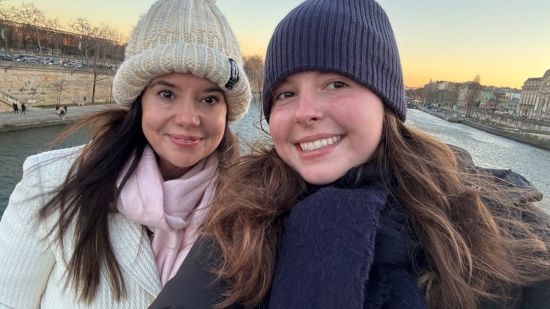
Spending time along the Seine River, exploring neighborhood streets, or pausing at a café allows travelers to absorb the rhythm of the city. Paris is not a destination to rush through. It is one that reveals itself gradually.
I have written more about this slower, more immersive approach in Strolling Through Paris, which highlights why walking is one of the best ways to experience the city.
Focus on Neighborhoods, Not Just Sights
Paris becomes far more enjoyable when travelers focus on neighborhoods rather than bouncing between landmarks. Choosing just one or two areas to explore deeply creates space for discovery without pressure.
Neighborhoods like Montmartre offer a sense of place that feels distinctly local. Time spent wandering, stopping for a meal, or simply observing daily life often becomes more memorable than checking off another attraction.
Paris Works Best With Thoughtful Pacing, for Every Traveler
A slower approach to Paris is not just for couples or first-time visitors. It works equally well for families, multigenerational trips, and travelers who want meaningful experiences without exhaustion.
When museum visits are balanced with open time, and neighborhoods are given space rather than rushed, Paris becomes approachable and enjoyable for travelers of all ages. I have shared additional perspective on this in Luxury Family Travel in Paris: Top Cultural and Educational Experiences for Kids.
Final Thoughts
Paris does not need to be conquered to be enjoyed. With thoughtful planning, intentional pacing, and a focus on depth rather than quantity, the city becomes a place to experience rather than endure.
When planned well, Paris feels layered, welcoming, and endlessly interesting. It invites travelers to slow down, look closer, and truly connect with the city.
If Paris is part of your upcoming travels, I would love to help you create an itinerary that feels balanced, personal, and unhurried. Click the link to request a custom proposal today!