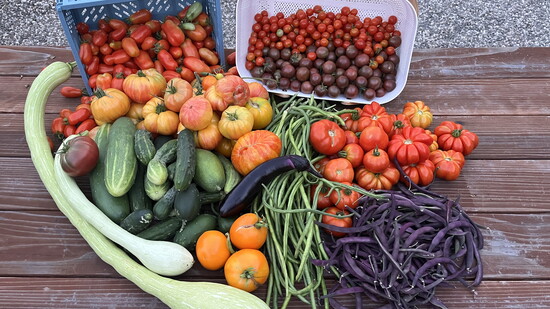
With warmer weather comes more time outdoors. Skis and snow boots give way to shorts, T-shirts and gardening gloves as residents return to nature with renewed energy. Longer days mark the start of backyard gatherings—barbecues with neighbors, long conversations and s’mores by the fire.
The seasonal shift also creates an opportunity to reconnect with personal spaces and the broader community. While many homeowners focus on early spring blooms, more Bergen County residents are exploring edible gardens. Growing food at home is a practical way to support household wellness, reduce environmental impact and share resources locally.
On a typical grocery trip, produce may travel hundreds or thousands of miles from harvest to shelf. During transit, fruits and vegetables can lose nutrients and are often treated to extend freshness. With food prices rising, home and community gardens offer a way to control growing practices and maintain a steady supply of freshly harvested produce.
Backyard Gardens
A backyard garden can be as simple as herbs in containers or as robust as multiple raised beds. Gardeners often grow tomatoes, basil, lettuce, peppers and cucumbers within steps of the kitchen. Harvesting at home provides visibility into how food is grown and encourages healthier eating habits. Gardens also support pollinators and give children hands-on exposure to the natural world.
Many home gardens produce more than one household can use. Extra produce is often shared with neighbors or donated to food pantries. Some neighborhoods organize crop swaps, where each household grows one or two crops using agreed-upon standards, such as organic methods and non-GMO seeds. Harvests are then exchanged at scheduled meetups, allowing participants to enjoy greater variety throughout the season.
Whether using pots, a single raised bed or a larger layout, the most effective garden is one designed around available space, sunlight and lifestyle. Good planning helps maximize yield and long-term success.
Community Gardens
For residents without suitable yard space or time for maintenance, community gardens offer another path. Models vary. Some rent individual beds for a seasonal fee, while others rely on shared volunteer labor, with harvests divided among participants or donated.
One example is the Ho-Ho-Kus Community Garden, a volunteer-run project focused on community building and reducing food insecurity. The garden uses organic, sustainable practices and distributes produce to local food shelters. It also hosts farm stands and community events, creating a gathering place for residents of all ages.
A Worthwhile Investment
Edible gardening goes beyond convenience. It supports healthier habits, stronger neighborhoods and environmental awareness. Whether at home or in a shared garden, growing food strengthens the connection between residents, their community and the land.
More information is available at hungryharvestgarden.com.
About the Writer:
Allison K. Lim is a Bergen County-based writer and editor and founder of Hungry Harvest Garden, a garden design and installation business that specializes in custom residential, commercial and community vegetable gardens. Learn more at hungryharvestgarden.com. Allison also serves as chairman of the Ho-Ho-Kus Community Garden, a townwide initiative dedicated to reducing hunger through shared, organic produce.