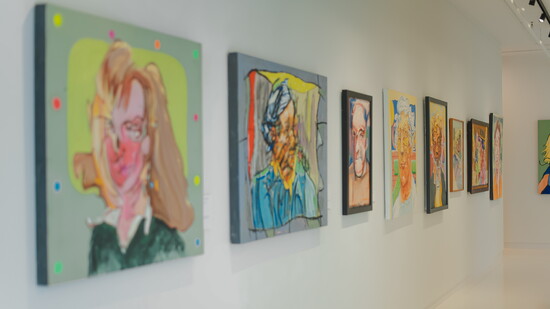
Art is a pillar of Northwest Arkansas economic identity. It’s translated literally through public sculptures and murals, workplace and hospitality design, galleries and museums. An ecosystem initiated by the Crystal Bridges Museum of American Art, spaces like MIXD gallery in Rogers are designed to bridge the gap between the institution of art and art for everyday life.
Sitting down with experts – MIXD Gallery’s Director and Curator Allison Hobbs, Gallery Manager Melissa Wise-Miklos, and Curatorial Operations Manager Wren Dillard – we demystify a few art stereotypes, unpack the complexities of investing in originals, and offer some practical takeaways and encouragement for getting started on your collector’s journey.
For someone who doesn’t ‘get’ art, how would you explain the benefit of investing in original artwork?
Allison: We have preached since day one: Living with art enhances every aspect of your life. The stereotype of the art world tends to make it more difficult than it needs to be. If you like it and want to look at it every day. You’re buying that feeling.
Wren: It’s important to live with art. When you invest in original art, you’re surrounding yourself with beauty, creativity, passion, and talent. For clients who don't have a lot of experience purchasing art, that's why we are big on education and accessibility. It's free to enter, all our exhibitions are free, and a lot of our events are free.
How does a gallery like MIXD fit into NWA's art economy?
Allison: Having readily available access to original, contemporary art produced regionally is huge. Even some of the top-tier designers I’ve worked with wouldn't know how to find independent artists in rural Arkansas. Even though we have a massive museum presence, the gallery rounds out that art ecosystem that Crystal Bridges started.
Art can be so subjective. What are some simple ways to interpret value?
Allison: If you’re looking specifically at regional artists, the tangible things are: where they’ve shown, how long they’ve been creating, and how many exhibitions they've had. The number one thing is probably how many pieces they've sold. Do you see an uptick in their pricing?
Wren: Craft is making such a comeback, especially in the digital age. People are recognizing that these things have value because the artist has talent, and it’s not something you can get through AI.
Melissa: Original art holds its value much more than prints. If I were a buyer looking to purchase a print, I would want it to be limited edition, signed by the artist, dated, and gallery-quality. You’re not likely to find these in a gift shop. If art feels nebulous, if that’s a big barrier for you, get into a niche. Collect small portraits of women, or abstract paintings with the color yellow. If you find a small subject you really enjoy, that’s like a bite-sized chunk out of a big concept.
So is investing more about the artist or the artwork?
Allison: It’s both, but for most buyers, it’s about the artwork.
Wren: It’s like, are you an artist person or a song person? Drew Gentle and Flora Saldivar have created bodies of work that people resonate with, and they fall in love with everything they make.
Is it better to invest in up-and-coming or more established artists?
Allison: That's tough. It’s insanely important to invest in living artists. Being able to experience the human behind the art and meet them in person is priceless.
What are some tangible ways we can protect our art investments?
Melissa: One of the first things we offer is local delivery, and we work with an installer. In terms of preservation, a lot of the time, the artist has care instructions.
Allison: We hear it all the time that folks are afraid to invest in art because they have small kids at home. But we want to strip the fear of living with art. If you have young kids, having art in the home teaches them to respect their space and take care of what’s around them. There’s always a solution.
What about documentation?
Allison: Things like a certificate of authenticity are important when investing in original artwork. This document is important for record keeping, reselling, and generational ownership. We create the certificate of authenticity at MIXD.
Melissa: This is another benefit of investing in living artists; It’s easier to obtain documentation or authenticate.
Wren: The signature itself is a form of authenticity; you don’t necessarily need a certificate of authenticity for each piece. It's easy to verify a painting based on the signature alone. It's as unique as a fingerprint.
Does it matter where the artist is from when I invest?
Wren: A lot of times, choosing local or regional artists has to do with the culture that you're familiar with. For example, Chloe Jones is a photographer who we had a show for this past summer, and she's a photographer who pulls from this region. She grew up in a small town in Arkansas. A lot of her photos depict rural lifestyles and things that are familiar, but you wouldn't see in a gallery outside of this region. It is so special to the people that live here; it's a shared cultural experience. That's one reason why people might want to invest locally, because of similar life experiences.
Allison: On the art economy side, filtering that back into the community is crucial for the livelihood of where Northwest Arkansas is heading.
What was the first piece of art you invested in?
Allison: The first piece of original art that I bought for myself was in 2012. It was $350, no certificate of authenticity. It's a nude sketch/watercolor of a woman. The story behind it was that the artist was best friends with Mary Cassatt–who I also love–and they studied and painted together. I still have it up in my home, and I get more appreciation and more joy out of that one piece than I do from some of the other work that I’ve spent way more money on.
Wren: I think my first piece actually was when I first started at MIXD. I bought a Drew Gentle painting. Each one of his pieces is, like, a character, and I just really resonated with this character and the story behind it. Every time I look at it, it just sparks a little happiness inside of me. It's just so special.
Melissa: I'm in the very beginning of my art collecting. My first piece that I remember was a travel piece. It was a print I bought from a studio on our honeymoon.
When you invest in original art, you’re surrounding yourself with beauty, creativity, passion, and talent.
It’s insanely important to invest in living artists. Being able to experience the human behind the art and meet them in person is priceless.