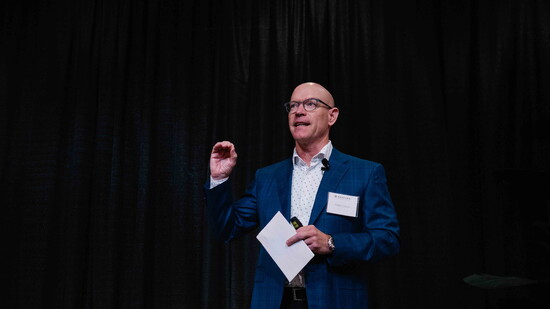
As the conversation around investing evolves from pure accumulation to thoughtful preservation and legacy, clarity and intention become more important than ever. We sat down with Terry Cook, CEO and Managing Principal of Parcion Private Wealth, to explore what strategic stewardship looks like in today’s economic landscape. With decades of experience advising entrepreneurs, business owners, and multi-generational families, Terry shares insight on building resilient portfolios, preparing for major milestones, and aligning wealth with long-term purpose.
Once someone has built a solid financial foundation, how should their investment strategy evolve as they start thinking more about preservation and legacy?
As wealth grows, the focus naturally shifts from accumulation to intentional stewardship. That means reducing unnecessary risk, emphasizing diversification, and prioritizing resilience across market cycles. Strategies often expand to include income generation, tax efficiency, and estate planning considerations. At this stage, investing becomes less about maximizing returns in any given year and more about sustaining wealth over decades, supporting family, philanthropy, and long‑term goals with clarity and purpose.
In today’s economic climate, what does a well-balanced portfolio look like for someone seeking both meaningful growth and long-term protection?
A well-balanced portfolio today blends growth-oriented assets with durable, defensive exposures. Equities remain important for long-term growth, but they’re complemented by high-quality fixed income, real assets, and alternative strategies that can help manage volatility. Thoughtful diversification across geographies, sectors, and investment styles is key. The goal isn’t to predict markets, but to build a portfolio that can adapt, participating in upside while providing stability through inevitable periods of uncertainty.
Are you seeing more individuals and families interested in aligning their investments with their values, such as philanthropy or impact investing?
Yes, there’s a clear and growing interest in aligning capital with values. Many individuals and families want their wealth to reflect what matters most to them, whether that’s philanthropy, sustainability, or community impact. This often shows up through impact-focused investments, donor-advised funds, or mission-aligned portfolio tilts. When done thoughtfully, values-based investing can complement long-term financial objectives while adding a deeper sense of purpose to a family’s overall wealth strategy.
What financial planning steps become most important when preparing for major life or business milestones, like selling a company or transferring wealth to the next generation?
Preparation and coordination are important. Well ahead of a major transition, it’s important to align tax, estate, investment, and legal planning to avoid costly surprises. Clarifying goals, both financial and personal, helps guide decisions around liquidity, gifting, and governance. Just as important is communication: making sure family members and trusted advisors are aligned. Thoughtful planning creates flexibility, preserves optionality, and helps major milestones become opportunities rather than sources of stress.