Every parent wants their child to find a place where they belong. For some children, that place is a sports field or a science lab. For others—especially imaginative, sensitive, or unconventional kids—it may be a stage, an art studio, a chorus group, or even a light/soundboard behind the scenes of a theater.
The arts have long been recognized as powerful tools for helping young people build confidence, empathy, and resilience. Theater and imaginative play invite children to step into someone else’s shoes and navigate situations that might feel overwhelming in real life.
Public speaking and performing rank among the most common childhood fears, yet theater can offer a structured environment in which young people overcome those fears.
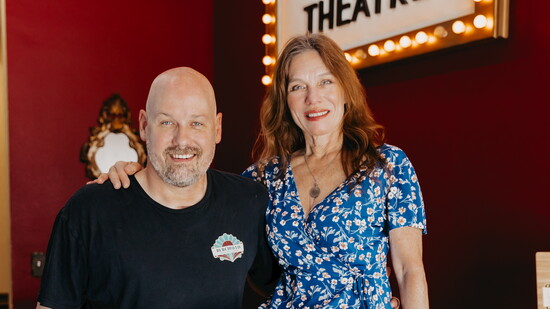
For Angela Burchfield—founder of Burchfield Theatre in Buda—and her family, those benefits are personal and fully lived. Angela believes growth happens when children are given both encouragement and choice.
She and her husband, Tim, opened the theater in February 2025 after witnessing their sons struggle in traditional classroom settings. Both boys were (and are) gifted, yet lacked a place in the “normal” educational system where they could thrive.
“We wanted to have a place for them to develop a community in which to grow in confidence, ability, and self-image,” Angela says. “A place free of bullying and judgment in which highly talented creative types could meet.”
That desire reflects a challenge many families face. Some young people need opportunities outside of the traditional classroom to express themselves—through movement, music, storytelling, design, or performance. Creative spaces can provide an avenue for connection when other social settings feel daunting or unnatural. “Theater encourages young people to embrace their individuality. It teaches them that the qualities that make them unique are not flaws to be hidden, but strengths to be celebrated,” says Angela.
Mother of five and grandmother of six, Angela spent her life witnessing the transformative power of the arts. A trained music therapist, vocalist, pianist, director, visual artist, and original founding member of Austin-based rock band Hideous Pink, she has worked with children and adults in hospitals, schools, behavioral health settings, residential facilities, and community programs. Across those experiences, she has seen music and creative expression help people communicate, process emotions, and develop confidence in ways that conventional approaches sometimes cannot.
At Burchfield Theatre, that philosophy extends beyond acting. While students participate in fully staged plays and musicals, they can also explore costume creation, set construction, stage makeup, lighting, sound, and other technical aspects of production. For many children, finding a creative role behind the curtain can be just as meaningful as stepping into the spotlight. “Any child can find their niche at our theater,” Angela says.
That inclusive approach is particularly important for children who are shy or anxious.
“We do not force them to go on stage,” she says. “It is always by their choice.” Students who aren’t ready to perform can contribute in plenty of other ways. Often, confidence develops naturally as children watch their peers take risks and succeed.
For Angela, one of the most important lessons theater teaches has little to do with acting itself. “Courage is a mixture of bravery and fear,” she tells nervous students. “Without courage, we never get to do the things that we really want to.”
That message resonates far beyond the stage. Whether a child is auditioning for a role, speaking in class, trying out for a team, or simply introducing themselves to a new friend, growth often begins with the willingness to be uncomfortable.
Burchfield Theatre welcomes students from throughout the Hays County area and beyond. And its mission remains rooted in the same simple idea that inspired its founding: every child deserves a place where creativity is valued and individuality is celebrated.
In a world that often emphasizes achievement and measurable outcomes, make-believe still holds remarkable power. Fostering the magic of imagination allows a child to learn not only how to play a role—but how to discover their own voice.