Walk into any pet store and you'll find shelves packed with squeaky toys, puzzle games, feather wands and chew bones. But the best toy isn't necessarily the newest or most expensive. Choosing wisely means considering your pet's size, personality, instincts and play style while making safety a priority.
The biggest secret? Know your own pet. Some dogs would happily chase a tennis ball until sunset, while others would rather curl up with a favorite chew toy. And don't be surprised if your cat is more fascinated by the empty box or the crinkly wrapping paper than the pricey gadget that came inside. The goal is to choose toys that stimulate both mind and body while satisfying their natural instincts.
For dogs, breed and play style often go hand in hand. Retrievers usually light up when it's time for fetch, while terriers love shaking and tugging toys that let them channel their inner hunter. Power chewers need sturdy rubber toys that can stand up to determined jaws, while puppies and senior dogs are often happier with softer materials that are gentler on developing or aging teeth. If your dog is the type who gets into everything, puzzle toys can keep that busy brain occupied and out of trouble.
Cats, meanwhile, never really lose their hunting instincts. Anything that flutters, skitters across the floor or disappears around a corner can become the most exciting thing in the house. A feather wand, bouncing ball or toy mouse may spark a full-on stalk-and-pounce session, followed by an afternoon nap as if nothing happened. Rotating toys every few days keeps them feeling new and helps prevent boredom.
Best Toy Choices for Dogs
Keep the focus on toys that match your dog's habits and energy level:
- Durable rubber chew toys, including those that can be stuffed with treats
- Puzzle toys and treat-dispensing games that challenge problem-solving skills
- Fetch toys such as rubber balls, flying discs and rubber sticks
- Tug toys designed specifically for supervised interactive play
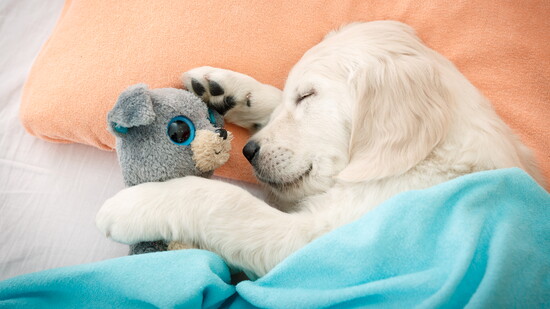
- Plush toys made for dogs, provided they are monitored for damage
- Edible chews that are easily digestible and appropriate for your dog's size
The key is matching the toy to the individual dog. A tiny lap dog and a determined power chewer have very different ideas about fun.
Favorite Toys for Cats
Cats enjoy variety, especially toys that tap into their hunting instincts:
- Catnip-filled mice, balls or plush toys
- Balls made for batting, chasing and pouncing, including lightweight or sponge varieties
- Plush prey toys shaped like birds, fish or mice
- Feather wands and teaser toys for interactive play with owners
- Motion-activated or battery-operated toys with safe, secure components
- Food-dispensing puzzles that reward curiosity and problem-solving
Don't be afraid to experiment. One cat may ignore catnip completely but spend hours chasing a bottle cap, while another proudly carries a plush mouse around the house like a prized catch.
Keep Play Safe
No matter what toy you choose, safety should always come first. A few simple precautions can prevent injuries and expensive veterinary emergencies:
- Select toys that fit your pet's size, breed, age and chewing strength
- Choose durable, non-toxic materials from reputable manufacturers
- Avoid toys with loose pieces, small parts or decorations that can be swallowed
- Make sure strings, feathers, bells and squeakers are securely attached
- Supervise pets with new toys and during vigorous play
- Inspect toys frequently for wear and replace damaged items immediately
- Wash toys regularly to reduce bacteria buildup
Playtime does much more than burn energy. It provides exercise, relieves stress, stimulates the brain and strengthens the bond between pets and their owners. By choosing toys that fit your pet's personality and keeping safety in mind, every game of fetch, chase or pounce becomes an opportunity for healthier, happier living.
After all, the best toy isn't simply the one your pet plays with the most. It's the one that keeps them engaged, enriched and safe while bringing joy to both of you.
Sources: American Humane Society, ASPCA Pet Health Insurance
New Tricks for Old Toys
Because we're probably not buying our pets a new toy every day, try a few simple tricks to make old favorites feel new again.
· Rotate toys by putting some away for a week or two before bringing them back. Thanks to "out of sight, out of mind," your pet may greet a forgotten toy with renewed excitement.
· For dogs, a fresh scent can work wonders. Roll a toy in the grass or let it pick up outdoor smells during a walk.
· For cats, stash a plush mouse in a bag of catnip for a couple of days before reintroducing it for a whole new round of fun.