For years, golfers have debated one of the game’s most personal equipment choices: blade putter or mallet putter?
Now, the data is starting to answer the question.
A recent analysis from MyGolfSpy, using more than 43,000 putts tracked through the PuttView testing system, found that mallet putters consistently outperformed blade putters across nearly every major performance category. The results weren’t marginal, either.
According to the study, golfers using mallet putters gained an average 2.6 strokes in performance, and 85% of testers putted better with a mallet design.
The biggest performance differences appeared in the distances that matter most to scoring. At 12 feet — one of golf’s most important “make-or-break” putting ranges — golfers using mallets holed 30.1% of putts compared to 24.0% with blade putters. Even at 8 feet and 18 feet, mallets continued to outperform.
Perhaps most interesting was the consistency data. Blade putters showed a wider performance spread between golfers, while mallets produced tighter, more repeatable results. In other words: even average-performing mallets often outperformed many blade designs.
That shift toward measurable performance is exactly why technology-driven golf training environments are rapidly growing in popularity.
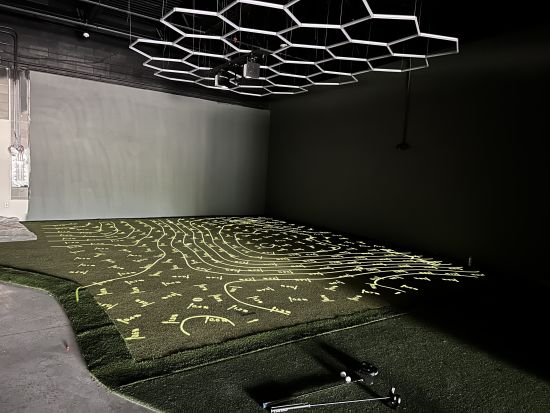
At SimLab Golf in Northern Colorado, players will have access to the same style of advanced training technology used in modern equipment testing and tour-level player development. SimLab’s dedicated PuttView putting simulator combines real-time green visualization, putting analytics, start-line tracking, pace control, and interactive training games designed to help golfers improve faster through measurable feedback.
Rather than guessing why putts miss, players can actually see what happened.
Was the face open? Was pace too aggressive? Did the read break earlier than expected?
The technology turns practice into something far more intentional.
And for busy professionals, parents, and competitive golfers trying to maximize limited practice time, that matters. SimLab was designed around the idea that improvement should fit into real life — whether that means practicing while taking a work call, training during a lunch break, or bringing the family in for an evening session.
The rise of data-backed golf training is changing the game. What used to rely purely on feel and repetition is now becoming measurable, trackable, and personalized.
The putter debate may never completely disappear.
But the numbers are becoming harder to ignore.
Article by Loren Nee
Photography by Loren Nee