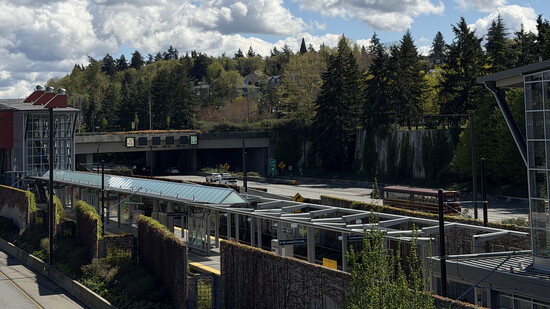
Mercer Island has always existed in an interesting tension between connection and separation.
We are physically connected to the region through Interstate 90, yet emotionally and culturally we have long experienced ourselves as an island community — close to Seattle and Bellevue, but still distinctly our own.
The arrival of light rail quietly changes that relationship.
Not simply through transportation.
But through possibility.
For decades, movement across the region revolved around cars, schedules, parking, traffic, and the friction that naturally limits spontaneity. Today, the light rail system is beginning to reshape how Mercer Islanders think about access, opportunity, and community itself.
Seattle suddenly feels closer.
Bellevue feels more integrated.
Lynnwood and Federal Way no longer feel psychologically distant in the same way they once did.
And for younger generations especially, regional exploration begins to feel less dependent on parents driving, parking logistics, or rigid planning.
That subtle shift may prove more meaningful than many initially realize.
How does geographic connection reshape community?
What happens when students can more easily access internships, arts experiences, concerts, museums, sporting events, and educational opportunities throughout the region? What happens when families begin attending performances, philanthropy events, or athletic competitions without the stress traditionally attached to cross-city travel?
Perhaps most importantly, what happens to the passions of Mercer Islanders themselves?
Do they become diluted?
Or expanded?
My sense is that they become amplified.
Mercer Island has always possessed unusually strong cultural DNA — education, athletics, volunteerism, arts, philanthropy, entrepreneurship, and community engagement all run deeply through the island. Increased regional access may not weaken those values at all. It may allow them to travel farther, connect more broadly, and influence the larger region in new ways.
Students pursuing orchestra, theater, athletics, debate, robotics, or academic programs now experience a region that feels more interconnected and accessible. Families supporting nonprofit causes may engage more frequently throughout Seattle and Bellevue while still returning home to the quieter rhythm of island life.
The train itself may simply be infrastructure.
But the deeper story may ultimately be about access, perspective, and the quiet expansion of possibility.