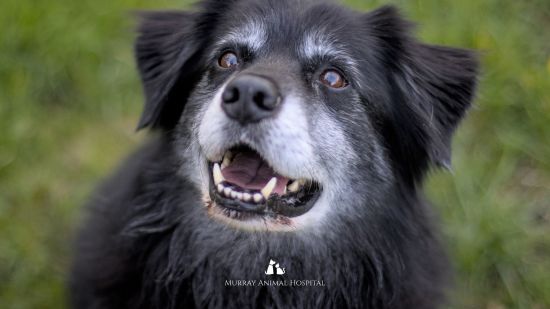
Osteoarthritis (OA), sometimes called degenerative joint disease, is a chronic condition that causes inflammation, pain, stiffness, and loss of normal joint function. It is common in older dogs, but arthritis can begin much earlier especially in dogs with previous joint injuries or conditions such as cranial cruciate ligament disease or medial Patellar Luxation.
The good news is that early, proactive management can help preserve muscle, mobility, and quality of life for years to come. The goal is not simply to treat arthritis when a dog becomes severely painful. Instead, we want to identify problems early and build a long-term plan that can change as your dog ages.
Early OA: Prevention and Protection
Some of the most important arthritis treatments begin before a dog is significantly painful.
Keep your dog lean:
Maintaining an ideal body condition is one of the most important things you can do for your dog's joints. Extra body weight increases the mechanical load on painful joints and can contribute to inflammation.
Your veterinary team can monitor both body condition and muscle condition and create an individualized feeding and weight-management plan.
Maintain muscle mass
Strong muscles help support and stabilize arthritic joints.
Regular, controlled exercise is preferable to periods of inactivity followed by intense activity. Depending on your dog's condition, activities may include:
Regular leash walks
Controlled hill walking
Short, frequent exercise sessions
Therapeutic exercises recommended by a rehabilitation professional
Swimming or other low-impact activities when appropriate
The goal is consistent movement without repeatedly overloading painful joints.
Consider nutritional joint support
Your veterinarian may recommend a joint-support diet or supplements. Marine-derived omega-3 fatty acids have the strongest evidence among commonly used nutraceuticals for dogs with OA and may have anti-inflammatory effects.
Products containing glucosamine/chondroitin and other joint-support ingredients, such as Cosequin® or Dasuquin®, may also be considered as part of an overall plan. Supplements are not a replacement for appropriate pain control, weight management, or exercise, and product quality and dosing matter.
Recognizing the Early Signs
Dogs do not always cry or limp when they are uncomfortable. Instead, owners may notice subtle changes such as:
Taking longer to get up
Hesitating before stairs or jumping into the car
Slipping on smooth floors
Walking more slowly
Less interest in playing
Sitting or lying down more frequently
Difficulty getting into a comfortable position
Becoming less tolerant of certain activities
Changes in how they sit or lie down
Stiffness after rest
Your observations are an important part of the diagnosis. If possible, bring videos of your dog walking, getting up, climbing stairs, jumping into the car, or performing other activities that have changed.
How Is Osteoarthritis Diagnosed?
Diagnosis is based on the whole picture—not just an X-ray.
Your veterinarian may evaluate:
Your observations of changes in movement or behavior
Orthopedic and physical examination findings
Gait and movement evaluation
How your dog sits, stands, lies down, and gets up
Muscle mass and symmetry
Joint range of motion
Radiographs (X-rays)
Other conditions that may contribute to pain or abnormal movement
X-rays can show changes associated with arthritis, but the amount of arthritis visible on an X-ray does not always match the amount of pain a dog is experiencing. Your dog's comfort and function are therefore equally important.
Conditions such as cranial cruciate ligament disease and medial patellar luxation can contribute to abnormal joint loading and arthritis and should be identified and addressed when appropriate.
If you notice a change in how your dog moves, plays, rests, climbs stairs, gets up, or lies down, tell us. Those small changes may be the first sign that your dog needs help.
This handout is for educational purposes and does not replace an individualized veterinary examination. Prescription medications and supplements should be used under veterinary guidance.