Pelvic Floor Acupuncture in Bethesda, MD
Your pelvic floor is one of the most important — and most overlooked — muscle groups in your body. When it isn’t functioning well, the effects ripple outward: sexual wellness concerns, leaking when you laugh, a persistent heaviness in your pelvis, or a feeling that something just isn’t right. For millions of women, these symptoms are daily realities that quietly shrink their world.
At Spectrum Acupuncture & Wellness in Bethesda, MD, Dr. Devorah Walder, D.Ac., specializes in pelvic floor acupuncture — an advanced, whole-body approach to restoring pelvic health. Whether you’re dealing with pelvic floor dysfunction, recovering postpartum, managing a condition like vaginismus or vulvodynia, or simply trying to understand why you feel the way you do, this page is for you.
What Is the Pelvic Floor?
The pelvic floor is a group of muscles, ligaments, and connective tissue that forms the base of your pelvis. These structures support your bladder, uterus, and rectum, and play a central role in urinary control, bowel function, sexual wellness, and core stability. When the pelvic floor is too tight, too weak, or poorly coordinated, a wide range of symptoms can emerge.
Pelvic floor dysfunction (PFD) affects nearly 1 in 4 women. Yet many go years without a proper diagnosis — or are told to simply “do Kegels” and hope for the best. Pelvic floor acupuncture offers a more nuanced, clinically-informed approach.
How Does Acupuncture Help the Pelvic Floor?
Acupuncture influences the pelvic floor through several interconnected mechanisms:
Nervous system regulation: Acupuncture stimulates the sacral nerves that innervate the bladder and pelvic floor, helping to restore normal signaling between the brain and the pelvis. This is particularly helpful for overactive bladder, urgency incontinence, and chronic pelvic pain.
Muscle release and coordination: Strategic needling along the lumbar spine, sacrum, glutes, inner thighs, and lower abdomen addresses both hypertonic (too tight) and hypotonic (too weak) pelvic floor patterns — the key distinction that Kegel exercises alone often miss.
Circulation and tissue healing: Acupuncture increases local blood flow to pelvic tissues, supporting healing from birth injuries, surgical procedures, scarring, and inflammation.
Hormonal support: Through its effects on the hypothalamic-pituitary-adrenal axis, acupuncture can help balance estrogen and progesterone levels that influence pelvic tissue health — especially important for postmenopausal women experiencing sexual wellness concerns, prolapse symptoms, or atrophic changes.
Conditions We Treat
Dr. Walder has advanced training in pelvic floor acupuncture and treats the full spectrum of pelvic floor conditions, including:
• Pelvic floor dysfunction (hypertonic and hypotonic) • Urinary incontinence (stress, urge, and mixed) • Vaginismus • Vulvodynia and vulvar pain • Dyspareunia (sexual wellness concerns) • Pelvic organ prolapse • Postpartum pelvic recovery • Chronic pelvic pain • Interstitial cystitis and bladder pain • Endometriosis-related pelvic pain
What to Expect at Your First Visit
Your first appointment begins with a thorough intake — not just about your pelvic floor, but about your full health history, sleep, stress, digestion, and hormonal patterns. In Traditional Chinese Medicine, the pelvis is not isolated from the rest of the body, and neither is our care.
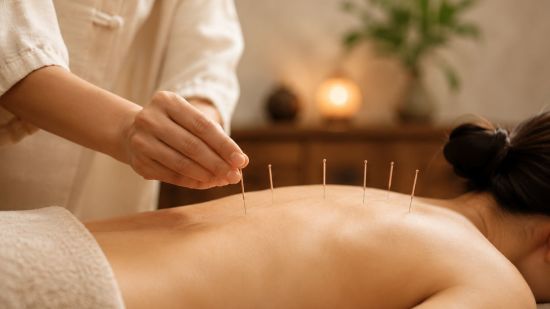
Treatment is gentle, non-invasive, and conducted fully clothed. Needles are placed at points on the lower back, sacrum, abdomen, legs, and feet — not internally. Most patients feel deeply relaxed during treatment and notice changes within the first few sessions.
Ready to find relief? Schedule your consultation at Spectrum Acupuncture & Wellness in Bethesda, MD. Call 301-565-2700 or book online at spectrumacuwell.com.
Frequently Asked Questions
Is pelvic floor acupuncture the same as pelvic floor physical therapy?
They are complementary but distinct. Pelvic floor physical therapy focuses on manual muscle assessment and rehabilitation. Pelvic floor acupuncture works through the nervous system, fascia, and meridian pathways to address root causes of dysfunction. Many patients benefit most from both — and Dr. Walder frequently collaborates with pelvic PTs in the Bethesda area.
How many sessions will I need?
Most patients notice meaningful improvement within 4–6 sessions. Complex or long-standing conditions may require more. Dr. Walder will create a personalized treatment plan after your initial assessment.
Is acupuncture safe for postpartum pelvic floor recovery?
Yes — it is safe and often highly effective for postpartum recovery, whether you had a vaginal birth or C-section. It can help with pelvic pain, perineal healing, diastasis recti support, and hormonal rebalancing after birth.
Do you work with patients who have already tried pelvic floor PT?
Absolutely. Many of our patients come to us after PT has helped but they’ve hit a plateau, or after finding that their symptoms have a neurological or hormonal component that manual therapy alone doesn’t reach. Acupuncture can address those layers.
Can acupuncture help with pelvic floor issues in menopause?
Yes. Declining estrogen during perimenopause and menopause contributes to pelvic tissue changes that increase the risk of prolapse, incontinence, and sexual wellness concerns. Acupuncture helps regulate hormonal patterns and supports pelvic tissue health as part of a comprehensive menopause care plan.