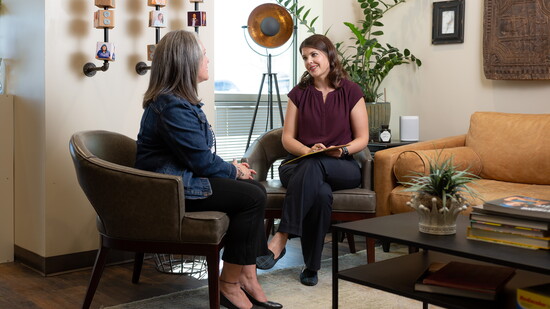
As part of our April Invest Issue, we sat down with Anna Burr, founder of Burr Law, to talk about estate planning, protecting what matters most and how she invests in her own life beyond the office.
How would you define estate planning and why is it such an important investment?
“Estate planning is investing in both yourself and in your future for your family. It’s about creating protections to make sure that all of the legal requirements are set to have decision-makers for the end of a person’s life. And then also to provide ease, instruction and support for your family after you’re gone.”
Many people assume estate planning is only for the ultra-wealthy. Who truly needs a plan?
“Everybody has an estate,” she says plainly. “Some estates are larger than others, but everybody has one. If you have people you care about and assets that you are interested in directing where they go, then you need an estate plan.”
What essential documents should every adult have in place?
“There are four foundational documents that everybody should have,” Burr explains. “A will, a financial power of attorney, a medical power of attorney and an advanced directive.”
“The advanced directive is the document that expresses how long you would want to be kept on life support if you’re terminal or in a persistent vegetative state.” These four documents provide base-level legal protections for every adult.
What happens emotionally and financially when families don’t have a plan?
“There’s a lot of uncertainty,” she says. “When we’re needing to use these documents, it’s because their owner is unable to communicate their wishes. So already, emotions are running high.”
“All anybody wants is to do right by that person,” Burr explains. “But if they don’t have any kind of prior communication, it can create bigger emotions, more conflict and end up costing families a lot more money.”
Beyond financial assets, what else should people consider?
“Estate planning is less about your assets and more about your people,” Burr says. “It’s about investing in that family and making sure they are protected.” That includes appointing the right decision-makers and clearly expressing your wishes.
How do you approach clients who feel overwhelmed?
“I tell people they don’t have to have all of the answers sorted out before they come in,” she says. “Part of my job is to help with that.”
The process begins with simple questions: “Who are your people? What are your assets? What are the things that worry you?” From there, she builds a plan tailored to each family’s goals.
What do you find most meaningful about your work?
“I really love the people I work with,” she says. “I like hearing their stories. I like hearing about their families.” She also enjoys the strategic aspect of assembling the right tools into a thoughtful plan.
Her passion is personal. After her grandfather passed away, Burr navigated probate firsthand. “It was a lot more difficult than I expected,” she recalls. “If I can be somebody to walk with people through this journey, then I would like to be that person.”
Outside of your practice, how do you invest in your own life?
“I have a husband and two girls, and they’re getting older,” she says. “I try to spend as much time with them as possible.” They enjoy traveling, exploring the mountains and going to the theater together.
If you could give readers one piece of advice?
“To talk to somebody about getting a plan done,” Burr says. “It doesn’t always have to be complicated. But right now is the best time to do it.”
And in the meantime: “Appreciate the people that you love. Spend time with them. Let them know that they’re important to you.”
“Estate planning is less about your assets and more about your people. It’s about investing in that family and making sure they are protected. That includes appointing the right decision-makers and clearly expressing your wishes."