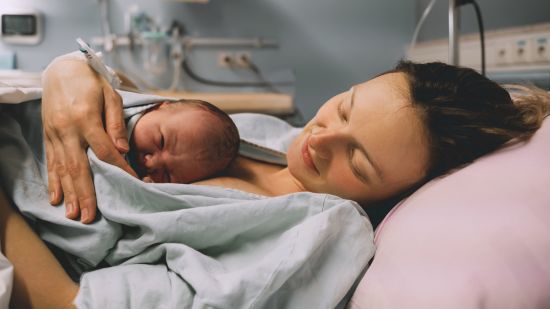
In many parts of the world, postpartum care is not treated as a brief recovery period—it is recognized as a foundational window that shapes a woman’s long-term health. Practices rooted in traditional medicine emphasize rest, nourishment, and therapeutic support as essential, not optional. By contrast, the modern approach in the United States often leaves women navigating one of the most physically and emotionally demanding transitions of their lives with minimal structured care.
This gap has far-reaching implications—not only for postpartum recovery, but for future fertility, hormonal balance, and the menopause transition.
A Global Perspective on Postpartum Healing
In China, the tradition of “sitting the month” (zuò yuè zi) reflects a deeply held understanding that childbirth significantly depletes the body. For 30–40 days, women are encouraged to rest, consume warm and nutrient-dense foods, and receive therapies such as acupuncture and Chinese herbal medicine. The goal is to restore balance, rebuild strength, and prevent future health issues.
Similarly, in South Korea, many women spend time in specialized postpartum recovery centers where they receive structured care, therapeutic meals, and hands-on support. In India, Ayurvedic traditions guide a 40-day recovery period centered on warm foods, herbal therapies, and daily bodywork to restore energy and calm the nervous system.
Even in Western Europe, countries like the Netherlands prioritize in-home postpartum support through trained maternity care providers, ensuring that recovery is actively supported—not overlooked.
Across these cultures, one theme remains consistent: postpartum care is an investment in a woman’s future health, not just her immediate recovery.
The Missing Link in U.S. Postpartum Care
In contrast, postpartum care in the United States is often limited to a single follow-up visit weeks after birth. While medical safety is prioritized, the deeper aspects of healing—rest, nutrition, emotional support, and hormonal regulation—are frequently under-addressed.
This lack of structured recovery can contribute to:
Persistent fatigue and depletion
Increased anxiety and mood disturbances
Hormonal dysregulation
Challenges with future fertility
More difficult menopause transitions
From a Traditional Chinese Medicine (TCM) perspective, this is not surprising. Childbirth is understood to significantly deplete Qi and Blood, leaving the body in a more vulnerable state. Without proper restoration, these imbalances can linger for years.
The Role of Acupuncture and Chinese Herbal Medicine
This is where acupuncture and Chinese herbal medicine become not just supportive—but essential components of a comprehensive women’s health plan.
Rather than isolating symptoms, these therapies work to restore systemic balance, addressing both the physical and emotional dimensions of recovery.
Acupuncture helps:
Regulate the nervous system, reducing stress and anxiety
Support hormonal balance and endocrine function
Improve sleep and emotional resilience
Promote circulation and healing after childbirth
Chinese herbal medicine is tailored to the individual and may:
Rebuild Blood and replenish energy
Support uterine recovery and regulate cycles
Enhance lactation when needed
Calm the mind and stabilize mood
Together, they offer a level of individualized care that aligns with the body’s natural rhythms—something especially important during hormonally sensitive times like postpartum, fertility, and menopause.
From Postpartum to Lifelong Health
One of the most important insights from traditional medicine is this:
how a woman is supported postpartum can influence her health for decades.
In clinical practice, patterns of depletion and imbalance often reappear later as:
Difficulty conceiving
Heightened stress and nervous system dysregulation
More intense perimenopausal and menopausal symptoms
By integrating acupuncture and herbal medicine early—particularly in the postpartum window—women can build a stronger foundation for long-term hormonal and emotional health.
Redefining Postpartum Care in Modern Practice
As awareness grows, more women are seeking care that goes beyond survival and toward true recovery. Incorporating acupuncture and Chinese herbal medicine into postpartum care offers a way to bridge the gap between modern medicine and traditional wisdom.
Even small, intentional shifts—prioritizing rest, consuming warm and nourishing foods, and receiving regular treatments—can profoundly impact healing.
Ultimately, postpartum care should not be viewed as a brief phase, but as a critical opportunity to optimize health, restore balance, and support the whole woman—body, mind, and spirit—for the years ahead.