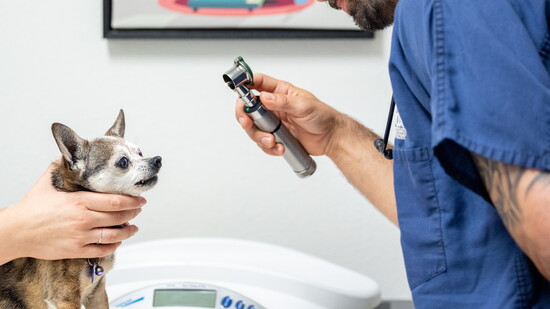
As the mercury rises, so do the risks for our canine companions. Unlike humans, who possess sweat glands across most of their bodies to facilitate cooling, dogs rely primarily on panting and a limited number of sweat glands in their paw pads to regulate their temperature. This physiological difference makes them exceptionally vulnerable to heatstroke, a life-threatening condition where the body’s core temperature rises to dangerous levels.
Understanding the Mechanics of Overheating
Heatstroke, or severe hyperthermia, typically occurs when a dog’s body temperature exceeds 105.8 degrees. At these temperatures, the body's internal cooling mechanisms fail, leading to a cascade of cellular damage. If not treated immediately, this can result in multi-organ failure, brain swelling, and death.
While any dog can suffer from heat exhaustion, certain factors increase the risk:
- Brachycephalic breeds: Dogs with “squashed” faces (like pugs, bulldogs, and boxers) have restricted airways, making efficient panting nearly impossible.
- Age and weight: Senior dogs and obese dogs struggle more with thermoregulation.
- Coat type: Thick, dark, or long fur traps heat more effectively against the skin.
- Weather: High heat and humidity increases risk.
Recognizing the Red Flags
Early intervention is the difference between a quick recovery and a fatal outcome. Pet owners should be hyper-vigilant for the following symptoms:
- Exaggerated panting: This is often the first sign; the panting will appear frantic or louder than usual.
- Hypersalivation: Excessive, thick drool or frothing at the mouth can indicate overheating.
- Discoloration of gums: Healthy gums are pink; heatstroke victims may have dark red, purple, or even bluish gums.
- Lethargy and disorientation: The dog may appear “drunk” and stumble or refuse to move.
- Gastrointestinal distress: Vomiting or diarrhea (sometimes bloody) often occurs as the body reacts to the heat stress.
Emergency First Aid: Do This, Not That
If you suspect your dog is overheating, seconds count. Follow these steps immediately before transporting them to a veterinarian:
- Move to shade: Get them into an air-conditioned building or a cool, shaded area.
- Cool water, not ice: Use cool (tap temperature) water to wet their fur and skin; do NOT place wet towels on them, as this can decrease cooling.
- Never use ice-cold water, as this causes blood vessels to constrict, which actually traps heat deep inside the body and can trigger shivering.
- Airflow: Position a fan to blow directly over the wet dog to speed up evaporative cooling. On the car ride to the vet, turn the air conditioner on full blast and/or roll the windows down.
- Offer hydration: Provide fresh water, but do not force them to drink.
Prevention: The Best Medicine
Preventing heatstroke is significantly easier than treating it. Always ensure your dog has access to fresh water and a cool, shaded retreat. During summer months, limit exercise to the early morning or late evening when temperatures are lowest.
By staying informed and proactive, you can ensure that the “dog days of summer” remain safe and enjoyable for your four-legged family members. If your dog shows signs of heat stress, treat it as a medical emergency and contact your veterinarian immediately—even if they seem to be cooling down.
FoxVeterinaryServices.com