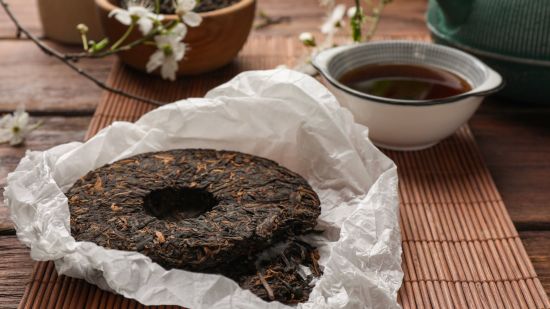
Pu-erh tea is one of the most fascinating and misunderstood categories of tea in the world. Originating in Yunnan Province, Pu-erh is prized not only for its flavor but for its aging potential and digestive-supportive qualities.
The two main styles—Sheng Pu-erh (raw) pronounced shēng pǔ’ěr in Mandarin and Shou Pu-erh (ripe) pronounced shú pǔ’ěr —come from the same large-leaf tea trees but differ dramatically in processing, taste, and physiological effects.
Understanding these differences helps you choose the right tea for your palate, health goals, and constitution.
The Origins of Pu-erh Tea 普洱茶
Pu-erh tea is made from Camellia sinensis var. assamica, a broad-leaf tea tree native to southwestern China. The tea is named after the trading town of Pu'er, which became a central distribution hub during the Tang and Song dynasties.
Compressed tea cakes traveled along the ancient Tea Horse Road into Tibet, Mongolia, and Southeast Asia. Over time, merchants discovered that the tea transformed during transport, developing deeper flavors and smoother textures. This natural aging process laid the foundation for Sheng Pu-erh.
In the 1970s, producers developed Shou Pu-erh using an accelerated fermentation technique to replicate the flavor of aged tea without waiting decades.
How Sheng and Shou Pu-erh Are Made
Sheng Pu-erh (Raw) 生普洱
Sheng Pu-erh is the traditional style. The leaves are:
Withered
Pan-fired to halt oxidation
Rolled
Sun-dried
They are often compressed into cakes, bricks, or nests and left to age naturally.
Young Sheng can be bright, grassy, floral, and sometimes astringent. Over years (or decades), it gradually becomes smoother, sweeter, and more complex.
Key feature: Natural, slow aging.
Shou Pu-erh (Ripe) 熟普洱
Shou Pu-erh undergoes an additional step called wo dui (“wet piling”), developed in the 1970s. During this process:
Tea leaves are piled
Moisture and warmth are controlled
Microbial fermentation is encouraged
Within weeks, the tea darkens and develops deep, earthy characteristics.
Key feature: Controlled, accelerated fermentation.
Flavor Differences
Sheng (Raw) Pu-erh: has a gold to amber liquor that deepens with age, a bright, floral, vegetal, sometimes bitter (when young) flavor. A lively, sometimes drying mouthfeel. This tea improves dramatically over time.
Shou (Ripe) Pu-erh: has a dark red-brown liquor color and an earthy, woody, smooth, sometimes chocolate-like flavor with a thick, velvety mouthfeel. This tea is drinkable immediately but ages well too.
General Health Benefits of Pu-erh Tea
Both types offer overlapping benefits, though their chemical profiles differ slightly due to fermentation.
1. Digestive Support
Pu-erh has traditionally been consumed after heavy meals to reduce stagnation and bloating. Shou Pu-erh, in particular, is commonly used to:
Support fat metabolism
Ease fullness
Promote smoother digestion
Its warming nature makes it especially popular in colder climates.
2. Cholesterol and Lipid Regulation
Research suggests Pu-erh tea may:
Lower LDL cholesterol
Reduce triglycerides
Support overall lipid metabolism
Shou Pu-erh has been more frequently studied in this context due to its higher concentration of theabrownins formed during fermentation.
3. Gut Microbiome Support
The fermentation process produces microbial metabolites and postbiotic compounds that may:
Support beneficial gut bacteria
Improve gut barrier function
Reduce inflammatory markers
Shou Pu-erh typically contains more fermentation-derived compounds, while aged Sheng develops similar characteristics over time.
4. Antioxidant Activity
Sheng Pu-erh (especially when young) contains higher levels of catechins and polyphenols. Young Sheng (raw) Pu-erh tea, is rich in high levels of catechins and polyphenols due to minimal processing, it offers potent antioxidant and anti-inflammatory benefits that protect against oxidative stress. These compounds promote weight management, improve metabolic health by lowering cholesterol, and support heart health.
Key health benefits of high-polyphenol young Sheng Pu-erh include:
Potent Antioxidant Protection: High polyphenol content neutralizes harmful free radicals, reducing inflammation and protecting against chronic diseases.
Weight Management & Metabolism: Catechins in young tea help suppress body fat accumulation, with some studies suggesting it is highly effective at reducing triglyceride and cholesterol levels.
Improved Heart Health: It has been linked to increasing HDL-C (good cholesterol) while decreasing LDL-C (bad cholesterol).
Blood Sugar Regulation: Compounds in the tea, including polyphenol-rich compounds, may help manage healthy blood sugar levels, assisting with insulin sensitivity.
Potential Anti-Cancer Properties: High levels of polyphenols and catechins, sometimes higher than green or white tea, may help inhibit the growth of certain cancer cells, such as breast and colon cancers.
Skin Health and Anti-Aging: The high antioxidant profile helps protect elastin, a crucial protein for skin health.
Improved Digestion: Traditionally used to aid in digesting fats and lipids.
Young Sheng Pu-erh is generally more bitter and astringent due to higher catechins, which are potent antioxidants that break down as the tea ages. As Sheng pu-erh tea ages, catechins convert into more complex compounds, softening bitterness and altering antioxidant composition.
Shou pu-erh tea contains fermentation-derived theabrownins which help with:
Cholesterol & Lipid Reduction: Theabrownins significantly reduce serum and hepatic lipids, making them highly effective against hyperlipidemia. They work by reducing the Firmicutes/Bacteroidetes ratio, which is linked to better metabolism.
Gut Microbiota Modulation: TB modulates the intestinal microbiome, specifically by inhibiting bile salt hydrolase (BSH) activity. This promotes the growth of beneficial bacteria like Bacteroides.
Weight Management: Research indicates that theabrownins help reduce fat accumulation and body weight, particularly in high-fat diet models.
Improved Metabolism: They are involved in improving insulin sensitivity, regulating blood sugar (hypoglycemia), and improving metabolic syndrome.
Antioxidant & Anti-inflammatory: TB has strong antioxidant properties that help eliminate free radicals in the liver, reducing oxidative stress and inflammation.
Sheng vs. Shou: Which Should You Choose?
Choose Sheng Pu-erh if you:
Enjoy bright, evolving flavors
Appreciate aging potential
Want higher catechin levels
Like complexity and nuance
Choose Shou Pu-erh if you:
Prefer smooth, earthy tea
Want digestive support after meals
Are sensitive to bitterness
Want something ready to drink immediately
Both can be valuable additions to a wellness-focused lifestyle.
Sheng vs. Shou Pu-erh Tea: Tree Age, Cost, & Quality Considerations
Understanding how tree age and production influence cost can help you choose a tea that is both high quality and reasonably priced.
The Ancient Tea Trees of Yunnan 古树
Pu-erh tea is made from Camellia sinensis var. assamica, a large-leaf tea tree native to southwestern China. What makes Pu-erh truly special is the age of many of its trees.
In Yunnan, tea trees are often categorized as:
Plantation bushes – 10–50 years old
Arbor trees (Qiao Mu) – 50–100+ years old
Ancient trees (Gu Shu) – 100 to 300+ years old
Some protected wild trees are estimated to be over 800–1,000 years old
Older trees develop:
Deeper root systems that draw minerals from lower soil layers
More complex phytochemical profiles
Greater resilience and biodiversity interaction
Tea made from older trees is often described as having:
Stronger “cha qi” (energetic presence)
Thicker mouthfeel
Greater aging potential
More layered flavor complexity
Because supply is limited and demand is high, ancient tree or 古樹普洱 Gǔ shù pǔ’ěr chá can be significantly more expensive. Nannuo Mountain in Yunnan province is known for ancient tea trees including an 800 year old tree “Tea King” 茶王.
Why Pu-erh Tea Can Be Costly
Pu-erh is often compared to fine wine—and for good reason.
Like wine, Pu-erh varies by:
Region (terroir)
Tree age
Harvest season
Processing skill
Aging conditions
Year of production
Just as a Bordeaux from an exceptional vintage can appreciate over time, high-quality Sheng Pu-erh can increase in value as it ages.
Factors that increase cost:
Ancient tree material (Gǔ shù 古树)
Single-mountain or single-village sourcing
Hand processing
Natural aging in ideal humidity conditions
Limited production quantities
Aged Sheng Pu-erh cakes from respected mountains like Gua Feng Zhai (刮风寨) in Yunnan can sell for hundreds—or even thousands—of dollars. Rare vintage cakes may function as collector items.
Shou Pu-erh is generally more affordable because it is produced using accelerated fermentation and does not require decades of aging.
How to Find High-Quality Pu-erh Without Overpaying
You do not need to spend hundreds of dollars to enjoy excellent Pu-erh. Here is what to look for:
1. Transparency
Reputable vendors disclose:
Mountain or region of origin
Harvest year
Tree age category (if applicable)
Processing method
2. Clean Aroma
The tea should smell:
Fresh and earthy (Shou)
Floral or herbaceous (Sheng)
Avoid musty, moldy, or fishy odors.
3. Clear Liquor
When brewed:
Sheng should appear bright and clear
Shou should be deep red-brown but not cloudy
4. Balanced Flavor
High-quality Pu-erh should not taste:
Harshly bitter (young Sheng may be brisk but not aggressive)
Overly muddy or flat
5. Reasonable Pricing Expectations
As a general guideline:
Daily-drinking Shou: affordable and accessible
Young Sheng from blended sources: moderate price
Single-mountain or ancient tree Sheng: premium pricing
For most patients or tea drinkers, a well-sourced, mid-range Pu-erh provides excellent health benefits without collector-level pricing.
Sheng vs. Shou: Aging & Investment
Sheng Pu-erh
Naturally ages over years or decades
Can increase in value
Flavor evolves dramatically
Shou Pu-erh
Fully fermented at production
Meant for immediate enjoyment
Minimal aging benefit
If you enjoy nuance and long-term transformation, Sheng may appeal to you.
If you prefer smooth, earthy tea ready to drink now, Shou is ideal.
The Wine Comparison: Why It Matters
Understanding Pu-erh like wine changes the buying approach:
You don’t need the rarest vintage to enjoy benefits.
Instead, consider:
Your taste preference
Your health goals
Your budget
Whether you value aging potential
For many individuals focused on digestive wellness, a clean, well-sourced Shou Pu-erh offers excellent value and daily drinkability.
Final Thoughts
Pu-erh tea represents centuries of tradition rooted in the mountains of Yunnan. From ancient trees over 300 years old to carefully fermented modern productions, both Sheng and Shou offer unique benefits.
Like fine wine, Pu-erh can be luxurious and collectible—but it can also be practical, accessible, and deeply supportive of everyday health.
How to Brew Pu-erh Tea for Best Flavor and Health Benefits
Proper brewing enhances both the flavor and therapeutic qualities of Sheng Pu-erh and Shou Pu-erh. Because Pu-erh is traditionally compressed and aged, it benefits from slightly different preparation than green or black tea.
One of the most unique characteristics of Pu-erh is that it can be steeped multiple times, with the flavor evolving noticeably from infusion to infusion.
Water Temperature
Pu-erh tea prefers near-boiling water.
Ideal temperature: 200–212°F (93–100°C)
Fully boiling water is appropriate, especially for Shou Pu-erh
Slightly cooler water (200–205°F) can soften young Sheng if it tastes too sharp
Unlike delicate green teas, Pu-erh is robust and will not be damaged by high temperatures.
Leaf Quantity
Use approximately 5 grams (about 1 teaspoon loose leaf or a small chunk of cake) per 8 ounces of water.
For gongfu-style brewing (small teapot or gaiwan), use a higher leaf-to-water ratio for more concentrated infusions.
Because Pu-erh is compressed, gently loosen the leaves rather than breaking them into small fragments.
The Optional Rinse
Traditionally, Pu-erh is briefly rinsed:
Pour hot water over the leaves.
Steep for 5–10 seconds.
Discard the water.
This step:
“Wakes up” the leaves
Removes surface dust
Begins to open compressed tea
The rinse is optional but commonly practiced, especially with aged teas.
Steeping Time
First Infusion:
15–30 seconds
Subsequent Infusions:
Increase steep time gradually by 10–20 seconds per round
Pu-erh can typically be steeped:
5–8 times (Western style)
8–15+ times (gongfu style), depending on quality
High-quality ancient tree Sheng may continue producing complex flavors through many infusions.
How Flavor Evolves with Each Steep
One of the reasons Pu-erh is compared to fine wine is its dynamic transformation during brewing.
Sheng Pu-erh
Early steeps: bright, floral, brisk
Middle steeps: sweeter, fruitier, more balanced
Later steeps: softer, mineral-rich, mellow
Shou Pu-erh
Early steeps: deep, earthy, rich
Middle steeps: smooth, slightly sweet, woody
Later steeps: lighter, clean, gently warming
Each infusion reveals different aromatic compounds, making the experience layered and contemplative.
Additional Brewing Tips
Use filtered water when possible to avoid mineral interference.
Avoid over-steeping young Sheng if sensitive to bitterness.
Shou Pu-erh is particularly forgiving and rarely becomes unpleasantly bitter.
Why Multiple Infusions Matter
Unlike many teas that exhaust flavor after one or two steeps, Pu-erh is intentionally crafted to unfold gradually. The evolving flavor reflects:
Leaf quality
Tree age
Processing skill
Aging conditions
This makes Pu-erh not just a beverage, but an experience—one that rewards patience and attention.