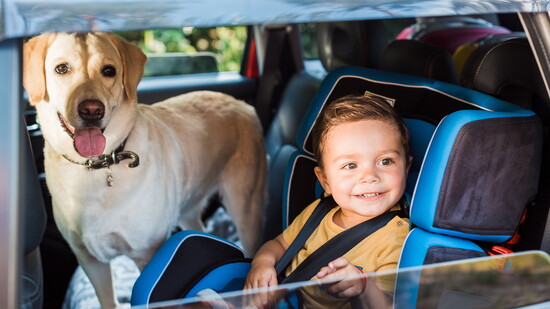
August in Georgia carries a specific kind of magic. The final stretch of summer lingers into warm evenings and local parks - from Swift Cantrell Park to the walking trails along the Chattahoochee - are full of life. Neighborhood spaces are active with pedestrian traffic - children on bikes, families pushing strollers, and dogs chasing tennis balls.
But this seasonal energy also demands greater awareness behind the wheel. As our community gets busier, our driving habits must become more intentional.
Whether navigating a crowded parking lot or heading out on a road trip, protecting your backseat crew - two-legged and four-legged alike - comes down to a few life-saving habits.
The Greenhouse Effect: Why “Just a Minute” Is Too Long
We’ve all been there: a sleeping toddler in the back seat, a dog resting comfortably, and a quick errand that feels harmless.
The reality is that parked vehicles heat up with alarming speed. Sunlight enters through glass, warms interior surfaces, and becomes trapped inside, causing temperatures to rise rapidly.
According to the National Highway Traffic Safety Administration (NHTSA), a vehicle’s interior can increase by about 20°F in just 10 minutes. On an 80°F day, that can push interior temperatures past 100°F in under fifteen minutes. Cracked windows offer little protection.
Because children’s bodies heat up three to five times faster than adults and dogs cool only by panting, what feels like a brief stop can quickly become a life-threatening emergency.
Another tip, before you back out of the driveway to join the summer crowds, check for Burn Zones - ensure blazing hot seatbelt clips won't burn sensitive skin or paws. Secure loose metal water bottles that could become airborne, turn on your window locks, and take a deep breath.
It’s also important to remember that many child and pet injuries happen at low speeds in driveways and parking lots. Before reversing, take a full walk around your vehicle to ensure no children, pets, toys, or bicycles are in blind spots.
Backseat Physics: The 1-Inch Rule
While heat dominates August safety concerns, proper restraint use is a year-round necessity. Federal data shows nearly 46% of car seats are installed incorrectly.
To help address this, local advocates are stepping in. Jamie Salimi, Co-Founder and Partner, at The Auto Accident Attorneys Group in Marietta leads a community child safety initiative focused on post-accident car seat replacement.
“As a mother and an attorney, car safety isn’t just professional for me - it’s deeply personal,” says Jamie. “Properly securing a child in a correctly installed car seat is one of the most effective protections against injury. A few extra minutes checking straps can make all the difference.”
A simple guideline: the Shake Test. Once installed, the car seat should not move more than one inch in any direction. Also ensure no excess webbing can be pinched at the child’s collarbone.
Protecting Our Four-Legged Passengers
Pets face similar risks in transit. An unrestrained dog can become a dangerous projectile during sudden stops. A 60-pound dog in a 35 mph crash can generate over 2,000 pounds of force—endangering both the animal and everyone in the vehicle.
We asked Dr. Taylour Welborn, Founder of Providence Veterinary Clinic in Marietta, how families can better protect their pets on the road.
“Our pets give us their whole hearts, and it’s our job to protect theirs,” says Dr. Welborn. “We see the consequences of both heat stress and unrestrained travel injuries every summer. I recommend being cautious outside with your dogs when it is over 85 degrees. Dogs don’t sweat so they can easily over heat which can lead to a dangerous condition called heat stroke. When riding in the car, I recommend a harness or a secured crate to prevent injury in the event of a crash.“
Road Trip Readiness
For families squeezing in one last summer getaway, preparation is key. Keep children and pets hydrated, plan regular rest stops, and secure all luggage before departure. Even small objects can become dangerous projectiles in a sudden stop.
Teen Drivers and Back-to-School Traffic
As summer winds down, August also brings school traffic, student drivers, buses, and busy pickup lines. With routines shifting, this is a key moment to reinforce safe driving habits with teen drivers.
Remind young drivers to avoid phone use, obey school-zone speed limits, and stay alert for pedestrians, cyclists, and crossing guards. These simple habits are critical during one of the busiest driving periods of the year.
By staying deliberate behind the wheel, we can help keep our streets, parks, and families safe through the final stretch of summer and into the new school year.