Many men don’t think about their health until something goes wrong. By then, the window for effective treatment may have already closed. That’s the message David Avery, founder and CEO of Longhorn Imaging, has been delivering to Austin men since 2014 — and a growing number are finally listening.
The stakes are real. According to the American Cancer Society’s Prostate Cancer Statistics, 2025 report, prostate cancer is the most common cancer diagnosis among men in the United States, accounting for 30% of all male cancers. This year, an estimated 313,780 new cases are projected, and late-stage diagnoses are rising as much as 4.8% annually. Yet the National Cancer Institute reports a 5-year survival rate of 100% for localized prostate cancer compared to just 38% once it has spread. Early detection isn’t just beneficial. It’s often the difference between life and death.
“It’s far easier to recover when something is caught in its earliest stage,” said Avery, who brings 25 years of imaging experience to Longhorn’s 14 Central Texas locations. “Most people don’t realize anything is wrong until they begin to feel unwell — by then, they’re in a reactive state rather than a proactive one.”
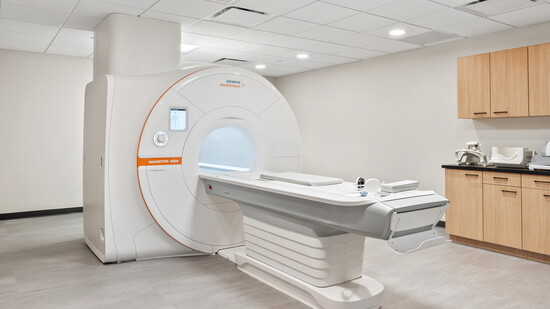
Longhorn offers full-body MRI scans, covering head to knee and screening for pre-cancerous conditions, alongside targeted prostate MRIs that take roughly 30 minutes. Both are backed by AI-assisted detection software that flags concerns beyond what the radiologist’s eye alone might catch. Results are returned within 24 to 48 hours in plain-language reports, and full-body scans are followed up by a provider walkthrough.
Avery has experienced the value firsthand. His own scan flagged elevated markers on his prostate and liver. Nothing that was alarming, but enough to drive real lifestyle changes.
“It raises awareness,” he said. “It tells you something needs attention, and gives you the opportunity to reset.”
For men who want a fuller picture, Longhorn also offers genetic testing panels that map a patient’s complete profile, identifying deficiencies, inflammatory markers, and predispositions. Optional add-ons address Alzheimer’s and dementia risk, sleep optimization, and dietary compatibility.
“Before all of this, you were just stuck in a bucket,” Avery said. “Now AI can cross-reference all of that data and give you a real, personalized picture of your health.”
Longhorn keeps access practical with online scheduling, competitive self-pay pricing, payment plans, and complimentary transportation through Uber Health and Lyft for those who need it. The American Cancer Society recommends men at average risk discuss prostate screening with their doctor at age 50 for those with a family history. Preventative imaging and genetic testing can begin even earlier.
“People are becoming more mindful,” Avery added. “They’re realizing they can take control of their own health rather than waiting for their health to dictate terms to them.”
To schedule your preventative screening, visit longhornimaging.com.
“Health shouldn’t dictate your life after the fact. You should be able to stay ahead of it.”