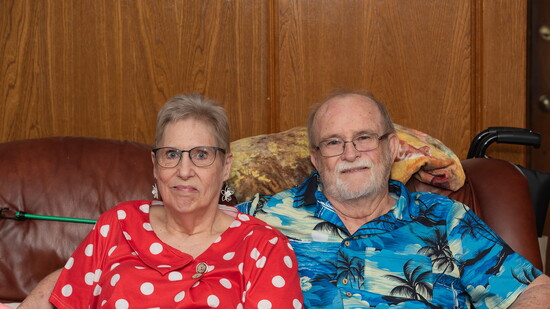
For Richard and Cynthia Smith, serving their country has been an integral part of their lives for six decades.
“I was in the Air Force from 1965 until 1969,” recalls Richard. “And my wife was in the Marines from 1971 to 1973.”
Cynthia, who is now 73, was once stationed at Marine Corps Base Camp Lejeune, which has since become infamous for contaminated drinking water that has led to a host of associated ailments. The Department of Veterans Affairs recognizes eight medical conditions that are presumptively linked to this exposure.
“Unfortunately, Cynthia was exposed to that water at Camp Lejeune,” Richard explains. “She stays in considerable pain day in and day out due to her health conditions.”
As for Richard, 80, the lingering effects of battling cancer in recent years have worn down his body.
“When I got cancer, I was in the hospital for the better part of six months. I took CAR T-cell treatment, and it cured the cancer, but I still have some of the symptoms.”
In the midst of these medical setbacks, the Smiths developed an increased need for support to keep running their household. That’s when they sought guidance from the local Veterans Affairs office, which connected them with an organization called Right at Home DFW.
Right at Home DFW specializes in offering personalized in-home care designed around veterans and their families. Through its services, the organization helps ensure they remain safe, comfortable, and independent in their own homes.
“Veterans have sacrificed so much in service to our country, and we believe they deserve to receive care with the same dignity, respect, and commitment they demonstrated through their service,” says Michelle A. Rankine, PhD, of Right at Home DFW.
Caregivers assist with a host of services according to each client’s need, including personal hygiene, meal preparation, light housekeeping, transportation, and errands. Right at Home also offers respite care, which gives family caregivers time to rest or attend to other responsibilities while their loved one receives companionship.
“We begin by listening,” says Rankine. “We learn about each veteran’s daily routine, safety concerns, health needs, and the challenges the family caregiver is experiencing. We then explain the home-care services we provide and identify the VA programs or community resources the family may want to discuss.”
The Smiths’ individualized support plan has included help with laundry, cleaning floors, dusting, and occasionally preparing meals. These are responsibilities Richard once managed himself but that have become insurmountable tasks due to health concerns.
“It’s become necessary to have somebody here who can do the household chores that neither one of us can do anymore,” Richard says. “It’s been beneficial to us to have somebody who can come and help us out.”
For local veterans in need of similar assistance, Rankine recommends first contacting their VA primary care provider or social worker and enrolling in VA health care. Families can then detail which household and personal tasks have become burdensome and ask about available services.
“You do not have to understand every program before making the first call,” Rankine says. “Begin by telling your VA provider or social worker what is happening at home. This includes the tasks that have become difficult, the safety concerns you have, and the pressure the family is experiencing.”
Rankine believes accepting assistance should not be viewed as surrendering one’s autonomy. Receiving the right care can allow veterans to remain in familiar surroundings while relieving some of the strain placed on their families.
“Asking for help is not a sign of weakness,” she says. “It is often the decision that allows a veteran to remain independent at home and enables the family caregiver to continue providing support without becoming exhausted.”
Richard encourages fellow veterans to advocate for themselves and learn what assistance may be available.
“Go to the VA and talk to your social worker,” he says. “They can provide help and physical therapy, if you need it.”
For the Smiths, that help has made their daily lives more manageable.
“By and large, we get excellent care, and we appreciate that,” Richard says. “We would encourage people to ask the Lord for help, because without him, you can’t survive.”
Visit RightAtHome.net to learn more about services offered by Right at Home DFW.