When someone starts thinking about investing in a wine collection, what foundational decisions matter most early on?
If you’re to the point of considering investing in a wine collection, there’s a good chance that you already know what you like to drink, and that’s the first step. Knowing what you like in a bottle (and don’t like) encourages proper planning in your cellar; if, for instance, you have never understood the drinking appeal of a Barolo, you’ll know to spend your money on other prestige reds, in other styles. It seems simple, but you’ll only ever have room for so many bottles, so why not make them bottles in styles that you can’t wait to drink?
How do you recommend balancing everyday wines with bottles meant for long-term aging, especially for collectors at different stages?
I hate to say it, but it’s math. Anyone can do a bit of back-of-the-napkin to get a rough estimate of how many bottles they drink in a month (no judgement here!). These are your ‘drinkers’, your Tuesday night bottles with leftovers, your wine for Saturday afternoons hanging with friends, and wine as a part of your day-to-day life. Think back to your month - how many times would a special bottle of wine have improved a special meal? That’s a rough estimate of how many drinkers, and how many special bottles per month you’ll need -- multiply it by 12 calendar months, add a few extra for the holidays, and you know roughly how many prestige bottles you’ll go through a year, along with how many bottles of everyday stuff to have around as well.
That’s your baseline - the number of bottles you can expect to need to purchase every year to allow you to maintain your cellar, and not find yourself drinking bottles that need plenty more time to age.
What storage considerations -- temperature, humidity, light, or space -- tend to have the biggest impact on protecting a collection over time?
Temperature and light are the most pressing concerns for short/medium-term storage, and humidity control is important if you’re aging wines for more than five years.
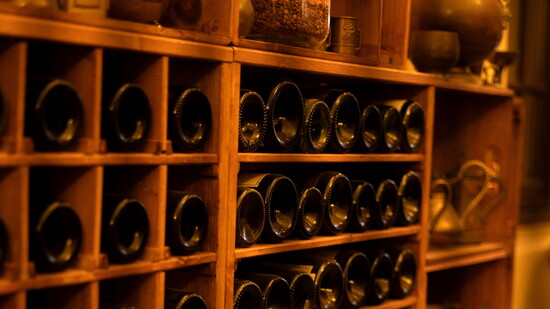
Long-term storage should have all four components -- the bottle on its side, to keep the cork from drying out; a consistent, mild temperature; not too dry or too humid; and in the dark most of the time. These factors will all increase the likelihood that when you’re ready to drink that special bottle, it’s in prime condition.
Beyond the wine itself, what equipment or tools (racks, cellars, fridges, glassware, tracking systems) are worth investing in as a collection grows?
Personally, I began my cellar with a few wine boxes hidden in the back of my closet, and they served me well for many years til we got a few wine fridges, and it’ll probably serve you just as well until you get a few too many cases worth of great wine for your closet. Eventually, you will want one with temperature and humidity control, but I’ve never been too worried about multiple temperature zones or most any other bells or whistles.
Are there certain wine styles, regions, or characteristics that tend to age especially well and appeal to collectors looking for longevity rather than immediate enjoyment?
There are four features in wine that allow for lengthy aging: acid, tannins, alcohol & residual sugar.
I mentioned Barolo wine, from Piedmont, a high-acid, high-tannin red that ages beautifully, but there are a number of styles that all age wonderfully. A few other examples:
Bordeaux: Tannins, some acid & a reasonable ABV, wines from Bordeaux have (comparatively) lower alcohol than other prestige reds, allowing for a gentler aging (alcohol is volatile, and in some cases, higher ABV wines develop ‘off’ flavors sooner/more often). Other age-worthy reds: Rioja, Châteauneuf-du-Pape, Cabernets & red blends from California, and Michael Shaps Meritage.
Virginia reds are worth a special mention here: many, even most, Virginia red wines will benefit from aging - Tannat, Petit Verdot, Merlot, Cab Franc & Meritage blends all do well with time, and I tend to recommend 5 years from the year listed on the bottle. Our red clay soils impart a ton of youthful energy that takes time to mature, soften and integrate into a really delicious, complete wine. Great examples: Barboursville Octagon, Jake Busching Cabernet Franc, King Family Mountain Plains Red.
German Riesling: a famously age-worthy white with low alcohol, high acid, and lots of residual sugar, aged versions tend to have a beautiful tropical, citrus nose - like a kaleidoscope of mandarins in syrup. See also: Port, Sherry, Sauternes, Barboursville Paxxito.
What’s one common mistake you see collectors make -- and one smart habit that consistently pays off in the long run?
Two sides of the same coin: smart collectors buy, age, and drink what they like, above all else. You’ll get far more pleasure from buying & laying down a case of the $20 Bordeaux that you love over spending triple that on a prestige bottle from a region that, sure, may age well, but isn’t your favorite.
Similarly, an easy mistake to make is to fill your cellar with wines that ‘scored great’, or ‘are a great deal’ (“for a wine like this”). For me, high scores and critical acclaim are useful in differentiating a wine from the pack, but if it’s not a style I love, what’s the point? I’d rather drink more of what I like than find myself popping a bottle in 10 years and wondering why I bothered!
Will Curley's Advice for Organizers
If you’re the type of person who enjoys the organizational side of collecting, then an app like CellarTracker will allow you to classify your wine and keep an eye on the optimal drinking windows of each bottle.