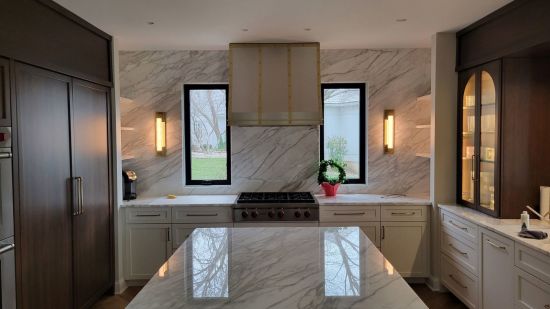
Why Stone Surface Materials Matter Today
In modern homes, stone surfaces face daily wear. Kitchens, bathrooms, and shared spaces use stone often. Because of this, stone surface materials must be strong and reliable.
In addition, these surfaces affect health. Non-porous materials resist stains. They also reduce bacteria. Therefore, the right stone improves both comfort and safety.
From Brazil to Your Kitchen: The Journey of Bianco Antico Granite
Granite forms deep inside the earth. Over time, pressure creates strong stone. Bianco Antico granite comes mainly from Brazil. It is known for soft colors and gentle movement.
First, workers remove large stone blocks. Next, those blocks are cut into slabs. Then, the slabs are polished and checked. After that, they are shipped worldwide.
Because granite is natural, each slab looks different. Therefore, planning is important. As a result, fabricators study patterns before cutting.
Inside the Factory: How Quartz Slabs Are Made
Quartz is different from granite. While it uses natural stone, it is engineered. First, manufacturers crush quartz crystals. Then, they mix them with resins and color.
Next, the mixture is pressed under high pressure. This removes air and adds strength. After curing, the slab is polished.
As a result, quartz looks consistent. It also resists stains and moisture. Because of this, quartz is a popular stone surface material for busy homes.
The Secret Behind the Sparkle: How Quartz Gets Its Shine
Quartz shine does not come from wax. Instead, it comes from polishing. Machines smooth the surface at a tiny level.
In addition, resins reflect light evenly. Therefore, the surface stays bright. As a result, cleaning stays simple.
Why Italian Marble Still Stands Out
Italian marble has a long history. Designers value it for beauty and detail. Quarries in Italy produce marble with fine veins.
However, marble needs care. It reacts to acids. It can also scratch. Because of this, marble works best in low-use areas.
With care, marble ages well. Without care, wear appears quickly.
Comparing Popular Stone Surface Materials
Each option serves a purpose. Therefore, usage should guide the choice.
Styles, Edge Types, and Finishes
Edges affect safety and style. Softer edges reduce damage. Common choices include eased, bullnose, and beveled edges.
Finishes also matter:
Polished reflects light
Honed hides marks
Textured adds grip
Because of this, finish choice affects daily use.
Uses Beyond the Kitchen
Stone surface materials appear in many spaces. Bathrooms use stone for vanities. Living rooms use it for fireplaces. Commercial areas use it for durability.
Each space has needs. Therefore, material choice must match the space.
Care and Maintenance Tips
Stone lasts longer with care. Simple steps help.
For best results:
Use gentle cleaners
Avoid harsh pads
Seal when advised
Wipe spills fast
As a result, surfaces stay strong and clean.
Safety and Hygiene Benefits
Modern stone supports healthy homes. Non-porous surfaces resist bacteria. Smooth edges improve safety. Heat resistance adds protection.
Because of this, stone surface materials work well for families.
Final Takeaway
Stone surface materials shape daily life. When people understand them, they choose better. As a result, spaces last longer and feel right.